Monday Microsofty 92: When the Nerd Enters a Room…
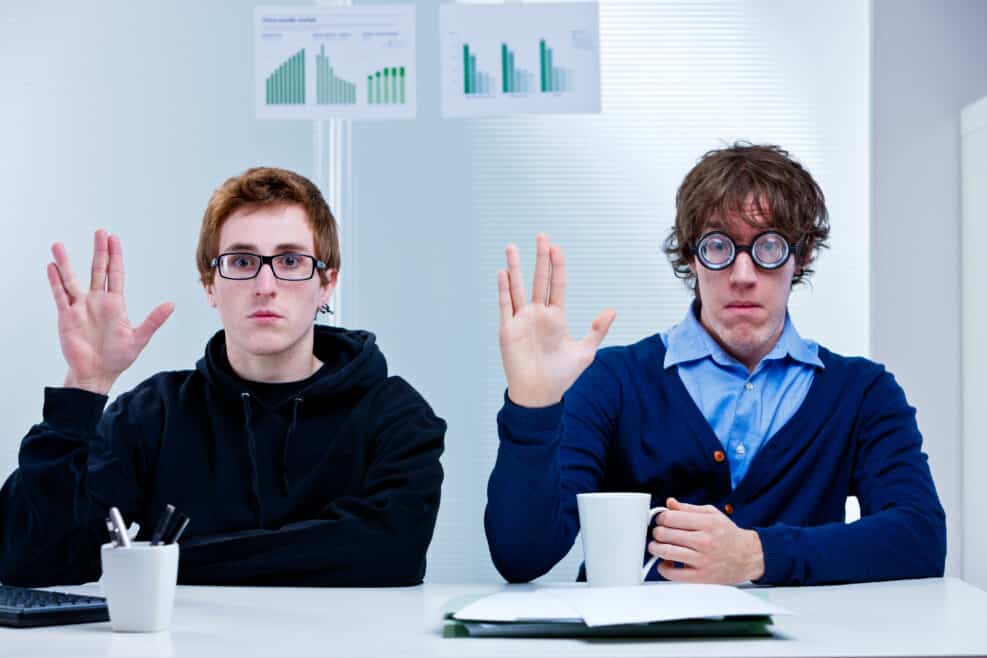
Shaking hands is expected. Here’s a math question about the custom, to delight the true nerds among usA hint for Microsofty 91: Where might Jimmy the Mooch have found some spare energy?
Read More ›
A hint for Microsofty 91: Where might Jimmy the Mooch have found some spare energy?
Read More ›
Purpose and design in nature were required to produce a universe, star system, and planet amenable to the production of technology.
Read More ›
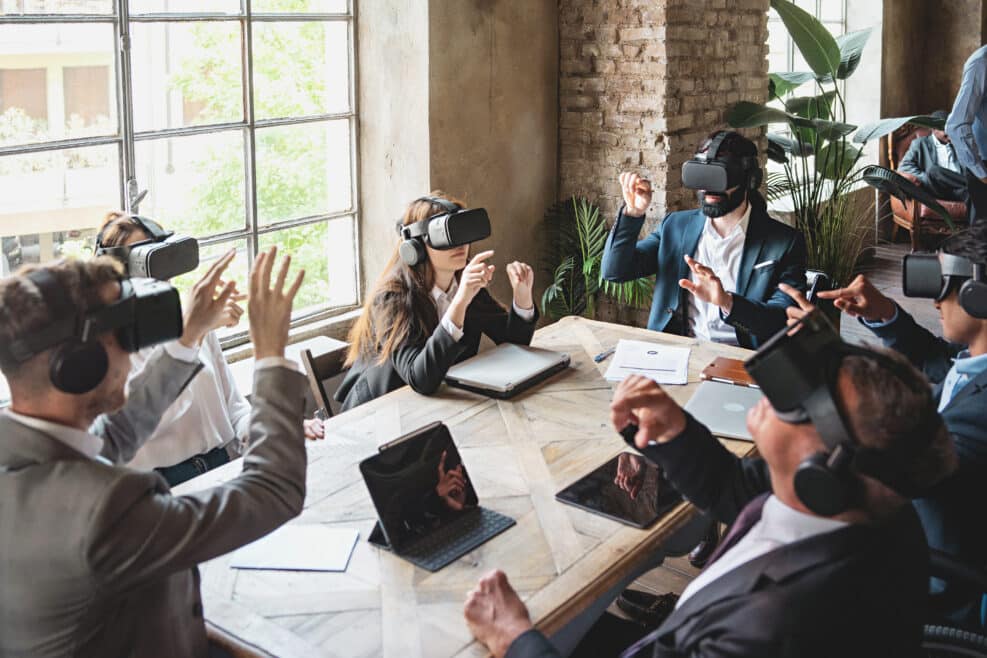
The ambitious project never paid its expected dividends. Consumers simply weren’t as interested in these VR headsets as Zuckerberg thought they would be.
Read More ›
Together, Ducey, Ingraham, and Clark made a robust and compelling case at COSM for education freedom, with Ducey framing it as a matter of fairness.
Read More ›
Mayne noted that many college students today are more entrepreneurial-minded than in the past. They’re turning their anxiety about the future into productivity.
Read More ›
Kolitz wraps up his article by stressing how this new type of addiction isn’t so far removed from the more culturally accepted forms of mindless scrolling.
Read More ›
Relativity Space likes to call itself a “customer-centric rocket company.” When we hear a tag line like that, we know times have changed.
Read More ›
Hal Philipp’s inventions underpin automatic faucets, door sensors, and the capacitive touchscreens that made the smartphone era possible. In this podcast, he offers a candid field guide to turning ideas into impact. The discussion ranges from startup structure and venture capital to patent warfare, corporate brinkmanship, and the social aftershocks of the iPhone. Philipp is interviewed by Robert J. Marks and Bradley Norris. Engineering education Marks opens with a challenge to engineering education. Universities excel at training graduates for Boeing or Motorola, but seldom spotlight entrepreneurship as a viable path. Philipp agrees and then complicates the picture. If he could rewind, he says, he would “get a little more assistance,” likely allying with a larger organization to gain leverage. In Read More ›

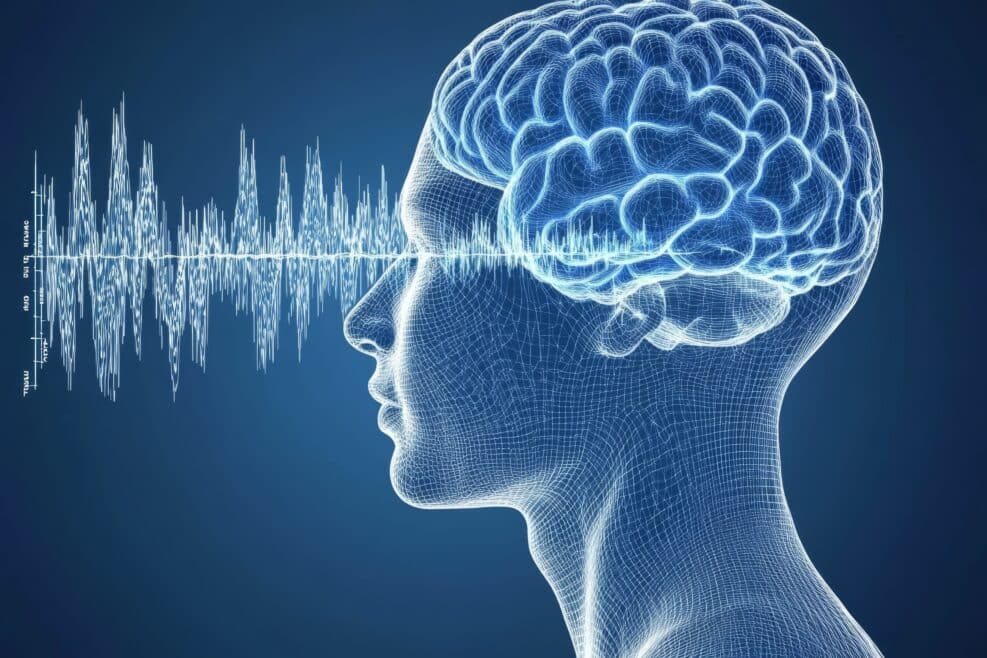
Though no one discusses it directly, while the researchers designed the device to avoid invading privacy, others will doubtless have the opposite intent.
Read More ›
Most people still don’t take “nature rights” seriously because it is clearly irrational. But that’s a huge mistake. Their cause is accelerating.
Read More ›
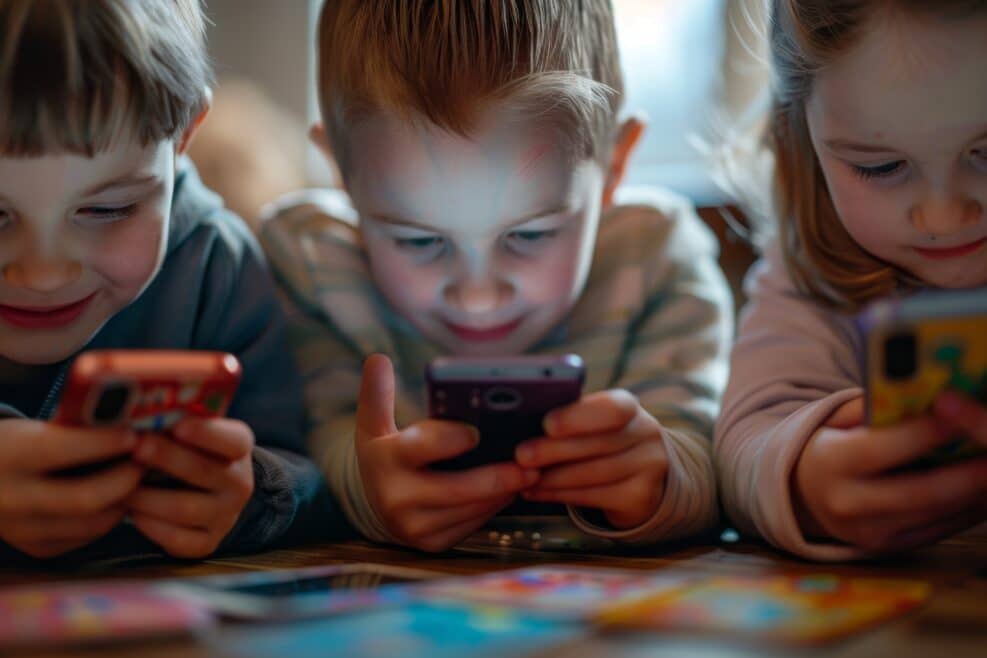
Policy helps. So do concrete steps that parents can take to protect children from the dangers of the online life.
Read More ›
Darwinian evolution theory allows any state of affairs that dates to eons ago to be called “evolution” even when, as in this case, the facts imply the opposite.
Read More ›
The spectrum used for wireless communication and radar is filling up fast and spectrum sharing offers a solution to the looming crisis.
Read More ›
Trump has garnered support from an unlikely cast of tech giants. What happens now?
Read More ›
A federal ban of the wildly popular social media app TikTok is set to take effect on Sunday, unless a last-minute intervention occurs, or an American-owned business buys the company. The FBI, as well as several state authorities around the country, have said the app represents a national security threat, as it allows a foreign adversary to access the data of the 170 million Americans who use it. Apart from the issue of national security, plenty of people, particularly sociologist Jonathan Haidt, have pointed out TikTok’s profound negative impact on kids and users in general. TikTok uses an advanced algorithm system to hook its users. Haidt and his research assistant, Zach Rausch, list out the multiple harms: Executives within the Read More ›

Following the data, observing personal experience, and developing another vision for human flourishing can get us a step closer to a fuller, intentional life.
Read More ›
While spectrum “auctions” generate significant revenue, they raise concerns about fairness, as the big players outbid others, potentially stifling innovation.
Read More ›
Ironically, “brain rot” started making the rounds primarily on TikTok, one of the biggest culprits when it comes to getting people addicted to screens.
Read More ›
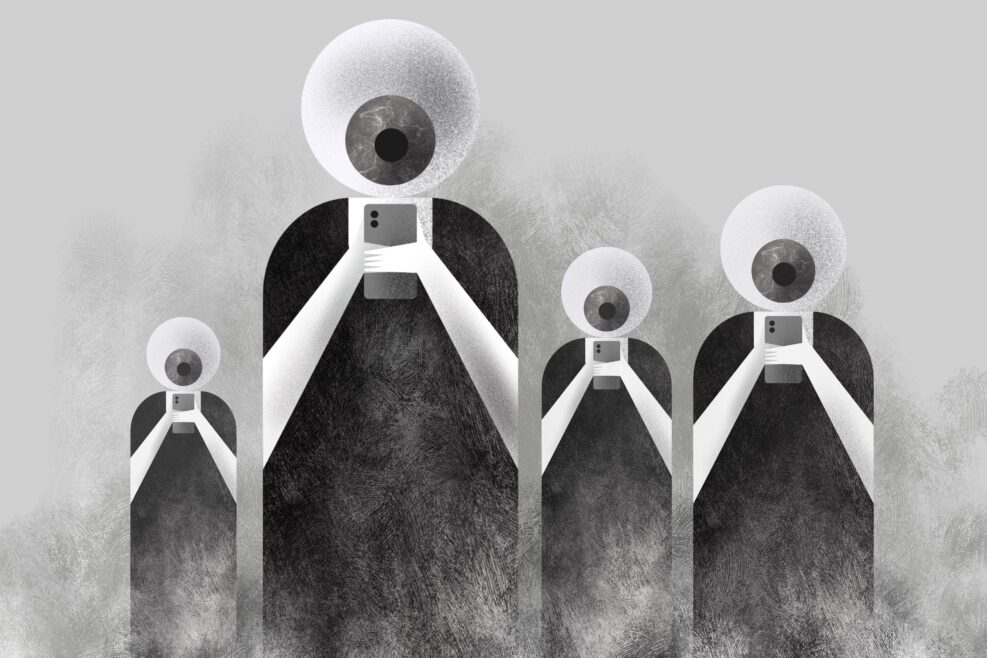
Phones block access to spiritual depth. That’s what social psychologist Jonathan Haidt writes in his newest bestseller The Anxious Generation. The frenetic, distractible nature of the screen-based existence most of us live in every day is eroding our ability to pursue meaning, transcending values, and empathy for other people. Haidt was recently joined in conversation by Andy Crouch, a Christian author who has written extensively on technology and culture in books like The Tech-Wise Family and The Life We’re Looking For: Reclaiming Relationship in a Technological World. “My life is full of convenience,” Crouch writes in the latter title mentioned. It is full of transaction, at its best a mutually beneficial exchange of value, a kind of arm’s-length benign use Read More ›

Smartphones are distracting and addicting, but according to Jonathan Haidt, and supported by our common experience, they can also keep us from a basic ingredient of human life: Experience. Sometimes I wonder if the worst aspect of the “dopamine culture,” as culture critic Ted Gioia calls it, is not that we no longer have the attention spans to focus on our work, but that we no longer seem able to enjoy activities that aren’t based on screens. Simple pleasures like a good meal, meant to savor and digest at a slow pace, or going through a rich and complicated novel that yields real insight and literary joy, or even kissing an actual person in an affectionate way are all “old-school” Read More ›