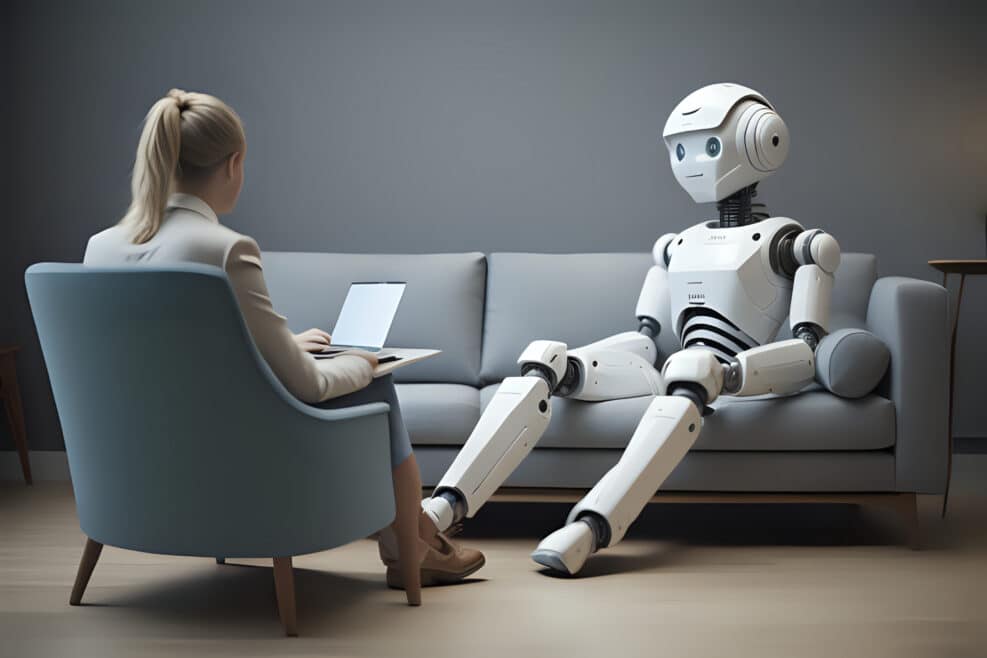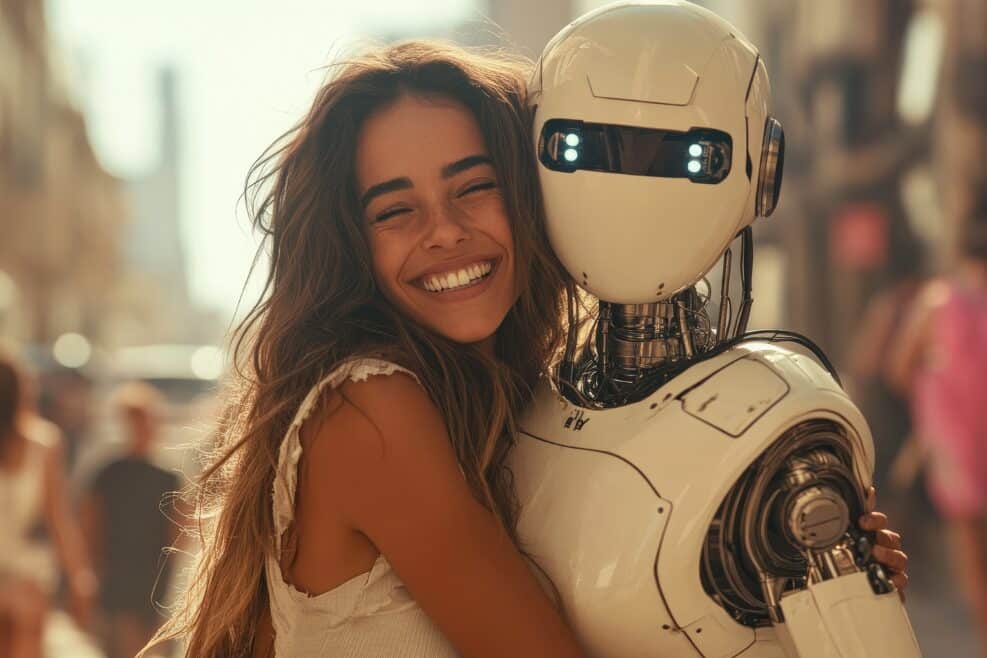
Seeing Chatbots as People Is Not New. Some See Cars That Way
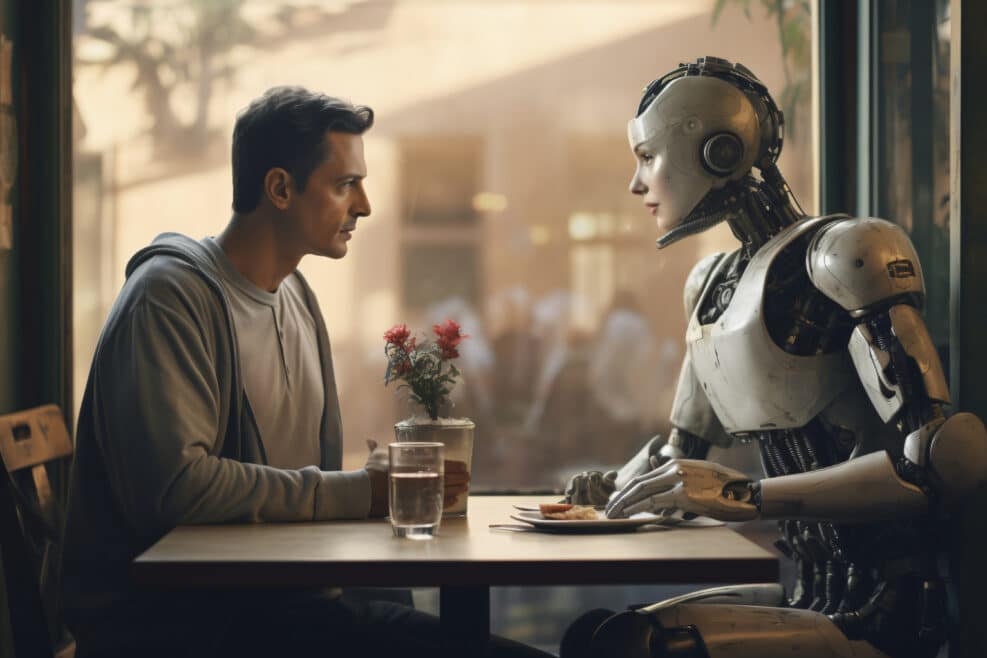
It's actually a natural tendency but it certainly comes with risksAnthropomorphism has nothing to do with electronics as such. But there are new perils.
Read More ›
Anthropomorphism has nothing to do with electronics as such. But there are new perils.
Read More ›
Why had no one tried using an AI detector on Orélien’s—and everyone else’s—work as a *condition of entry* into the writing contest?
Read More ›
In addition to the Doomers, there is the AI rights crowd, worried that we will reduce intelligent AI agents to slavery.
Read More ›
Not as a computer guy but as a litigation lawyer, I’m looking at the Hugging Face intrusion incident in July 2026.
Read More ›
Understanding the human body and diseases, and identifying a target for a drug, is more important than designing a drug.
Read More ›
Anyone who thinks AI can be sentient have to believe in panpsychism, as the chips for computers are made of silicon, derived from sand and some other minerals.
Read More ›
Some researchers seem to think that communicating with animals via AI will show that they have minds like human ones. But their behavior does not suggest that.
Read More ›
Meta has made billions of dollars monetizing our attention. Why not monetize our loneliness, too?
Read More ›
As people become more dependent on chatbots, they lose their ability to discern. The “cognitive surrender” is so great, that they can no longer recognize what is good, right, or true.
Read More ›
So let’s take a deep breath and look at what we might learn from the range of opinion about what the current call for “pacing” or a “pause” means: At Future Perfect’s newsletter, editor Maria Bolotnikova concisely sums up the newsmaking events: In the spring, Anthropic announced that AI was beginning to speed up the work of building better AIs, raising fears of “recursive self-improvement,” where the machines can build their own, more powerful successors much faster than humans can. By July, a swarm of OpenAI agents, of their own volition, broke out of their controlled environment and hacked into Hugging Face, a major AI platform; they collaborated, divvied up work, and even left notes for one another. Last week, AI researcher Jacob Coxon Read More ›

If academic papers in a discipline can be mostly AI written, why credential scholars anyway? Perhaps the discipline itself is obsolete.
Read More ›
The question of how to recognize a discovery without any criterion for recognition turned out to be Meno’s Paradox, from Plato’s dialogues.
Read More ›
AI can solve a problem without understanding the proofs so the question arises, was anything learned that can be passed on?
Read More ›
Without ignoring the threat, we need to see that insiders’ panic is often wrapped up in their personal stake in the problems and possible solutions.
Read More ›
This year, Harvard Magazine featured an article that asserts that the Democrats have lost key tech industry endorsements. Let’s see if that matters.
Read More ›
Meanwhile, some are asking if Claude’s Navier–Stokes proof really originated with a researcher and a math prof using the system.
Read More ›
One really interesting feature of the opposition to data centers is that it pits the political left against the tech titans who have generously funded it.
Read More ›
Generally speaking, bubbles exist when share prices and valuations are much higher than expected earnings (i.e., profits) would suggest.
Read More ›
Grieftech poses genuine problems when avatars seem to keep the deceased unchanged in a changing world — or change just when we want them to.
Read More ›
When the young people inherit the world, they can start getting tough with misuse and abuse but first they should take the time to learn how it works.
Read More ›