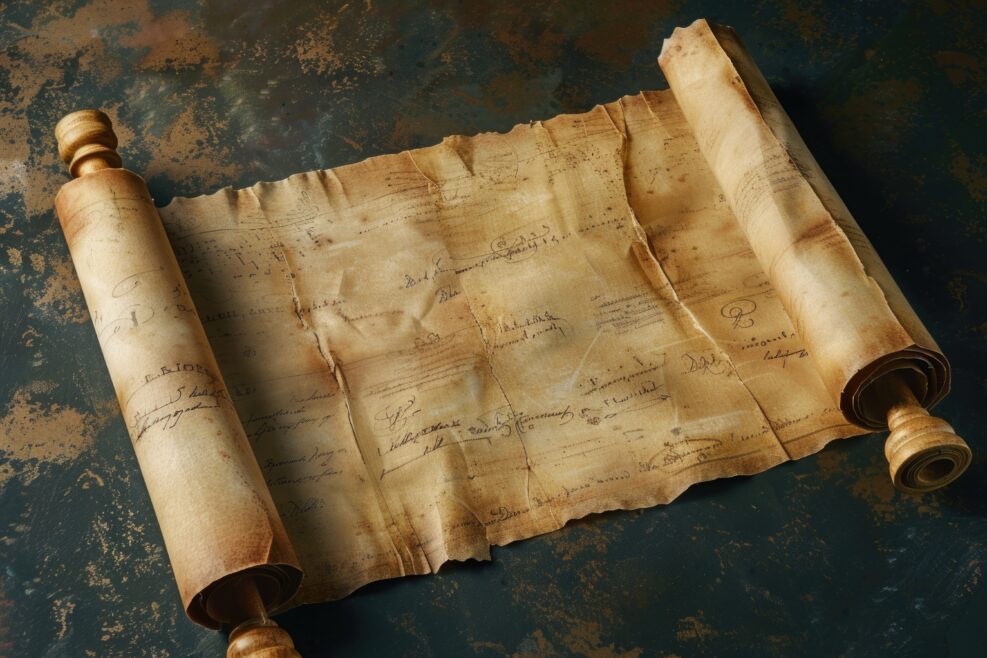
Dramatic use of AI to unlock ancient scrolls
The scrolls were discovered in 1750 but efforts to read them destroyed them. So many were sealed and put away, in the hope that they could one day be read.
Read More ›The scrolls were discovered in 1750 but efforts to read them destroyed them. So many were sealed and put away, in the hope that they could one day be read.
Read More ›
It is interesting to see Darwin — given how revered he is among the social elite — subject to an unexpected attack.
Read More ›
Science writer Elise Cutts tells us at Quanta that life’s raw materials abound in the universe: How simple chemistry led to complex living organisms stands among the great unsolved mysteries of science. The recent studies of asteroid and comet material add to the evidence that the first steps of the assembly process happen in space — and happen very readily. Read More ›

Generally, I found the Facebook fact checkers obtuse. But one recent incident really stands out.
Read More ›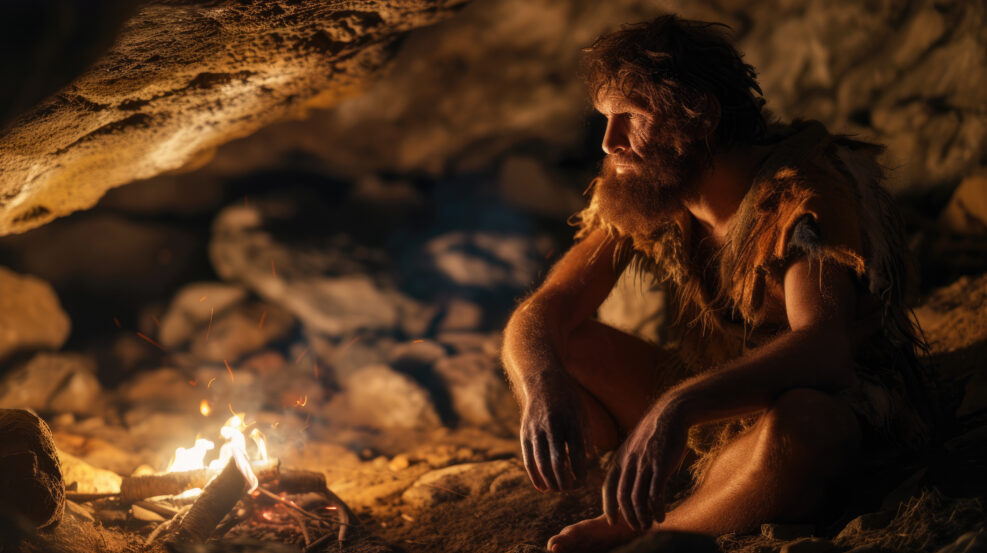
The problem is that, in an evolution-based scheme, someone must be the subhuman. Now who will researchers draft to fulfil the role?
Read More ›
Despite hopes, say Gary Marcus and Ernest Davis, common sense does not just “emerge” from a vast dump of data.
Read More ›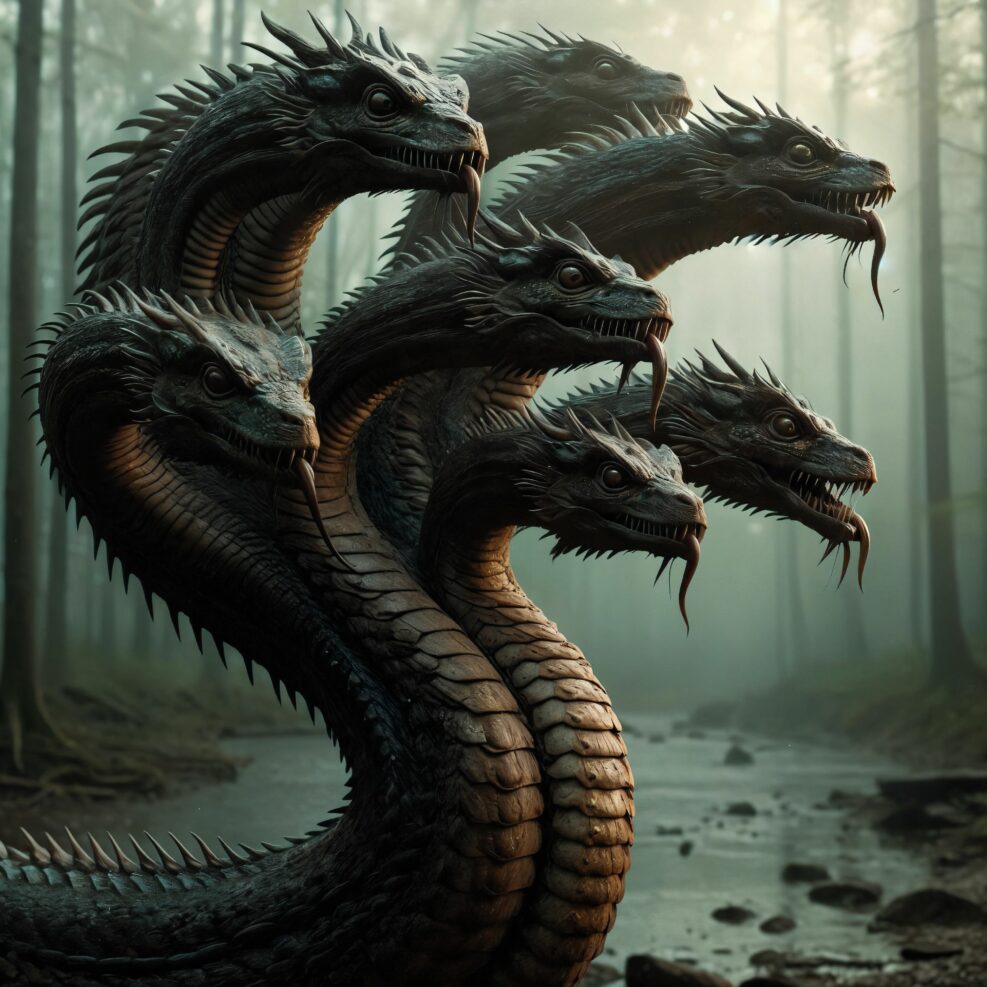
Roger Kimball warns that the hydra of would-be internet censorship has many heads and may be regrouping under different parts of the alphabet.
Read More ›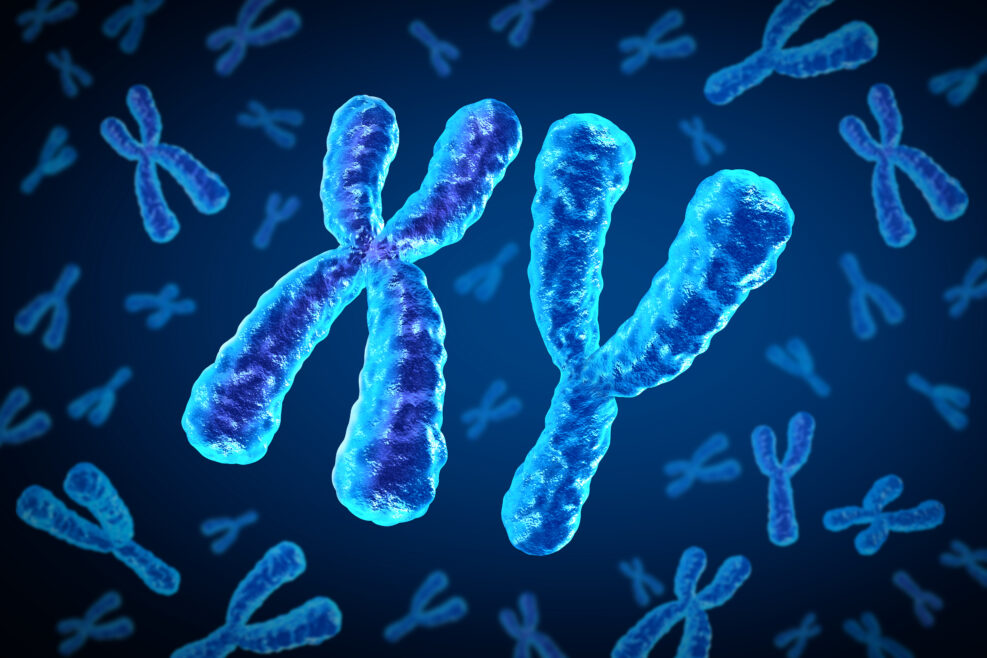
If Freedom from Religion Foundation refuses to accept sex binary in humans, why should schools take its notices warning against religion in school seriously?
Read More ›
There is currently a “crisis in the field of misinformation studies” as disinformation experts are questioning the usefulness of their field.
Read More ›
In a September article, readers were scolded for stereotyping cats’ aversion to water.
Read More ›
The basic problem is that the new media – influencers, podcasters, Substackers, etc. – does not need the vast, costly corporate structures of traditional media.
Read More ›
Bet you can guess who the Wired staff think is the worst agent of chaos — Elon Musk. But you might not guess why.
Read More ›
Reporter Thomas Maxwell tells us they had little impact because so far “people are good at recognizing when an image has been created using the technology.”
Read More ›
That counters our usual assumption that brains don’t get preserved. The researchers think nervous tissue may have qualities that permit long-term preservation.
Read More ›
When we have finally decoded via high-tech methods what the dog means when he woofs and brings the leash, it may just be: “I really need to go out and pee…
Read More ›
While both Rees and Pinker now favor the lab leak theory, as Wade reveals, they seemingly don’t want to make relations with China more tense by saying so.
Read More ›
The claim that humans “struggle with collective efficiency” is nonsense. They were forbidden to communicate abstract ideas, which is how we solve such problems.
Read More ›
Changes in administrations are often a means of getting rid of such rogue agencies.
Read More ›
At Newsweek last Monday science writer Tom Howarth threw cold water last week on the idea that NASA had discovered a parallel universe.
Read More ›
It may be possible but, unlike what happened in “A Sound of Thunder” (the butterfly effect) we couldn’t really change past or future events.
Read More ›