Mind Matters Natural and Artificial Intelligence News and Analysis

TagMichael Egnor

brain sectors
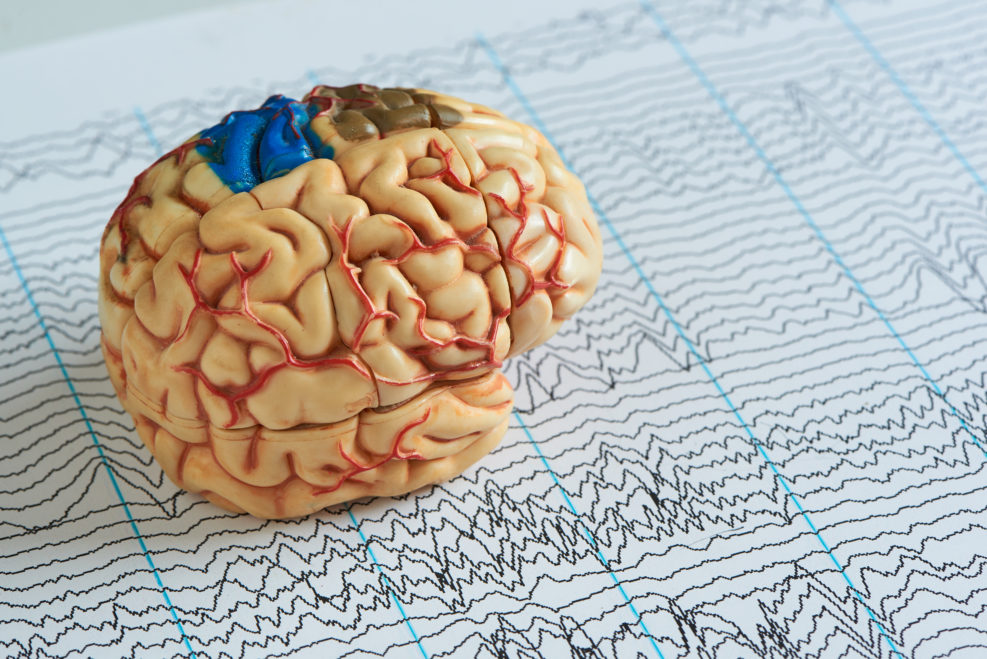
Brain model on EEG waves paper

Finding God in the Brain

Materialism insists that God is just a figment of the imagination, but there are some interesting phenomena in neurotheology that suggest otherwise. There are also certain methodological challenges when it comes to trying to find evidence of God in the brain. Michael Egnor discusses these issues with Andrew Newberg, who is a pioneer and authority in the field of neurotheology. Read More ›

Group of people holding hands praying worship believe

Meet a Doctor Who Thinks Spirituality Isn’t Just All in Your Head

Can science study what you are doing when you pray? Andrew Newberg does and he says the effects are real

In a recent podcast at Mind Matters News (“Neurotheology and the brain,”#164), neurosurgeon Michael Egnor interviewed neurologist Andrew Newberg on what brain imaging can tell us about spirituality. Dr. Newberg has published a number of books on the topic, including How God Changes Your Brain (2009) and Why God Won’t Go Away (2008) Newberg began by clarifying that he is not trying to explain away anything. He is just trying to understand it. https://episodes.castos.com/mindmatters/22bb89c2-fcd5-4c6a-87be-9c74b9d92b8c-Mind-Matters-Episode-164-Andrew-Newberg-Episode-1-rev1.mp3 Andrew Newberg: First of all, for me, it is what I like to refer to as a two-way street. It is not just science looking at religion, it is not religion looking at science. It is both of them really looking at each other to help Read More ›

atom-particle-stockpack-adobe-stock
Atom Particle

Discovering the Non-Materialist Dimension in Science

Hint: Stephen Hawking was a fine physicist and writer but not a very good philosopher

Rounding out their discussion at Theology Unleashed, neuropsychologist Mark Solms and neurosurgeon Michael Egnor talk about physicists who point a way forward: A partial transcript of this portion, along with some notes, follows. Summary to date: In the first portion, Solms, author of The Hidden Spring (2021), began by asserting in his opening statement that “the source of consciousness in the brain is in fact in the brain stem,” not the cerebral cortex, as is almost universally assumed. Dr. Egnor then responded that his clinical experience supports the view that brain is not mind. Then Solms pointed to the reality that discussing the fact that the brain is not the mind can be a career-limiting move in neuroscience — even Read More ›

information-theory-shannon-equation-stockpack-adobe-stock
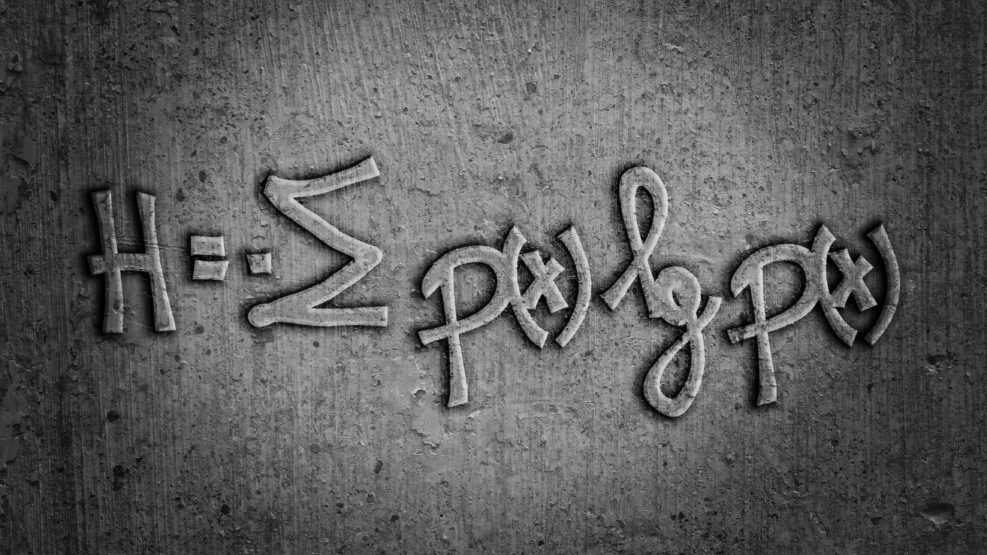
Information Theory - Shannon Equation

Why Neuroscientist Solms Is No Materialist: Information Theory

He points out that, to begin with, Einstein’s famous equation — E equals MC squared — makes the point that matter is derivative. It’s a state of energy

Arjuna, the host of the Theology Unleashed broadcast with South African neuropsychologist Mark Solms and Stonybrook neurosurgeon Michael Egnor on the mind vs. the brain (October 22, 2021) begins this portion by offering a Hindu (Hare Krishna) perspective view of the whole question of mind vs. matter… and he finds considerable common ground with the other two non-materialists! The true implications of quantum mechanics and information theory in refuting materialism are only beginning to be understood. Summary to date: In the first portion, Solms, author of The Hidden Spring (2021), began by asserting in his opening statement that “the source of consciousness in the brain is in fact in the brain stem,” not the cerebral cortex, as is almost universally Read More ›

agla-is-a-magical-name-of-god-stockpack-adobe-stock
AGLA is a magical name of God

Egnor and Solms: What Does It Mean To Say God Is a Person?

Mark Solms and Michael Egnor discuss and largely agree on what we can rationally know about God, using the tools of reason

Last time out, as South African neuropsychologist Mark Solms and Stonybrook neurosurgeon Michael Egnor continued to discuss the mind vs. the brain at Theology Unleashed (October 22, 2021). Solms said that he believed in Spinoza’s God — so did Albert Einstein, actually. Now he asks Egnor about the idea that God is a Person. Summary to date: In the first portion, Solms, author of The Hidden Spring (2021), began by asserting in his opening statement that “the source of consciousness in the brain is in fact in the brain stem,” not the cerebral cortex, as is almost universally assumed. Dr. Egnor then responded that his clinical experience supports the view that brain is not mind. Then Solms pointed to the Read More ›

abstract-unique-young-woman-standing-in-the-middle-of-a-galaxy-crack-stockpack-adobe-stock
Abstract Unique Young Woman Standing In the Middle Of A Galaxy Crack

Einstein Believed in Spinoza’s God. Who Is That God?

Neuropsychologist Mark Solms admits that life is “miraculous” and sees Spinoza’s God, embedded in nature, as the ultimate explanation

In the most recent portion of the discussion between South African neuropsychologist Mark Solms and Stony Brook neurosurgeon Michael Egnor at Theology Unleashed (October 22, 2021), talk turned to defining consciousness. Which led in turn to the remarkable (in Solms’s view, “miraculous”) difference between life and non-life — which is not merely a matter of religious opinion. If an accounting is required, it turns out that even Einstein believed in some sort of God and Solms follows his thinking, as we see below. Egnor offers a different view. Summary to date: In the first portion, Solms, author of The Hidden Spring (2021), began by asserting in his opening statement that “the source of consciousness in the brain is in fact Read More ›

Businessman and his conscience

A Neuropsychologist Takes a Crack at Defining Consciousness

Frustrated by reprimands for discussing Big Questions in neuroscience, Mark Solms decided to train as a psychoanalyst as well

Recently, distinguished South African neuropsychologist Mark Solms discussed the real state of brain research with Stonybrook neurosurgeon Michael Egnor at Theology Unleashed (October 22, 2021) In the first portion, Solms, author of The Hidden Spring (2021), began by asserting in his opening statement that “the source of consciousness in the brain is in fact in the brain stem,” not the cerebral cortex, as is almost universally assumed. Dr. Egnor then responded that his clinical experience supports the view that brain is not mind. Then Solms pointed to the reality that discussing the fact that the brain is not the mind can be a career-limiting move in neuroscience — even though clinical experience supports the view. Egnor and Solms agreed that Read More ›

brain-mind-way-soul-and-hope-concept-art-illustration-surreal-mystery-artwork-imagination-painting-conceptual-idea-of-success-stockpack-adobe-stock
Brain mind way soul and hope concept art, illustration, surreal mystery artwork, imagination painting, conceptual idea of success

Materialist Neuroscientists Don’t Usually See Real Patients

Neurosurgeon Michael Egnor and neuropsychologist Mark Solms find common ground: The mind can be “merely what the brain does” in an academic paper. But not in life

Recently, distinguished South African neuropsychologist Mark Solms discussed the real state of brain research with Stonybrook neurosurgeon Michael Egnor at Theology Unleashed (October 22, 2021) In the first portion, Solms, author of The Hidden Spring (2021), began by asserting in his opening statement that “the source of consciousness in the brain is in fact in the brain stem,” not the cerebral cortex, as is almost universally assumed. Dr. Egnor then responded that his clinical experience supports the view that brain is not mind. But Solms pointed to the reality that asserting the fact that the brain is not the mind can be a career-limiting move in neuroscience — even though clinical experience supports the view. In this portion, Egnor and Read More ›

nerve-cell-3d-neurons-stockpack-adobe-stock
Nerve Cell. 3D. Neurons

Why So Many Neuroscientists Are Unreflective Materialists

It’s part of a larger commitment to the belief that materialism will one day refute dualism by explaining away all of the apparent immaterial aspects of the mind

Neurosurgeon Michael Egnor has contributed a chapter of The Comprehensive Guide to Science and Faith: Exploring the Ultimate Questions About Life and the Cosmos (2021): “Have science and philosophy refuted free will?” (Ch 18) and “Can materialism explain human consciousness?” (Ch 19). In it, he notes a reality of modern neuroscience: Materialism (the mind is simply what the brain does) is not a discovery so much as a pledge of allegiance: One might think that the logical problems with materialism would insulate 21st-century neuroscience from its influence, but that is not so. Most contemporary neuroscientists work from an implicitly materialist perspective — in part because they’re unreflective, in part because materialism is the metaphysical correlate of the atheistic scientism that Read More ›

random numbers
Background with numbers

How Even Random Numbers Show Evidence of Design

Random number generators are actually pseudo-random number generators because they depend on designed algorithms

In Define information before you talk about it, neurosurgeon Michael Egnor interviewed engineering prof Robert J. Marks on the way information, not matter, shapes our world (October 28, 2021). In the first portion, Egnor and Marks discussed questions like: Why do two identical snowflakes seem more meaningful than one snowflake. Then they turned to the relationship between information and creativity. Is creativity a function of more information? Or is there more to it? And human intervention make any difference? Many questions arose during the discussion. Does Mount Rushmore have no more information than Mount Fuji? Does human intervention make a measurable difference? That’s specified complexity. Putting the idea of specified complexity to work, how do we measure meaningful information? How Read More ›

Glücksspiel

Can Wholly Random Processes Produce Information?

Can information result, without intention, from a series of accidents? Some have tried it with computers…

In Define information before you talk about it, neurosurgeon Michael Egnor interviewed engineering prof Robert J. Marks on the way information, not matter, shapes our world (October 28, 2021). In the first portion, Egnor and Marks discussed questions like: Why do two identical snowflakes seem more meaningful than one snowflake. Then they turned to the relationship between information and creativity. Is creativity a function of more information? Or is there more to it? And human intervention make any difference? Does Mount Rushmore have no more information than Mount Fuji? Does human intervention make a measurable difference? That’s specified complexity. Putting the idea of specified complexity to work, how do we measure meaningful information? How do we know Lincoln contained more Read More ›

water waves
Beautiful water waves -  Splashed water wave in clean blue water, clean filtered water ready for drinking

Why AI Can’t Really Filter Out “Hate News”

As Robert J. Marks explains, the No Free Lunch theorem establishes that computer programs without bias are like ice cubes without cold

In Define information before you talk about it, neurosurgeon Michael Egnor interviewed engineering prof Robert J. Marks on the way information, not matter, shapes our world (October 28, 2021). In the first portion, Egnor and Marks discussed questions like: Why do two identical snowflakes seem more meaningful than one snowflake. Then they turned to the relationship between information and creativity. Is creativity a function of more information? Or is there more to it? And human intervention make any difference? Does Mount Rushmore have no more information than Mount Fuji? Does human intervention make a measurable difference? That’s specified complexity. Putting the idea of specified complexity to work, how do we measure meaningful information? How do we know Lincoln contained more Read More ›

a-small-building-among-the-rocks-stockpack-adobe-stock
A small building among the rocks

How Do We Know Lincoln Contained More Information Than His Bust?

Life forms strive to be more of what they are. Grains of sand don’t. You need more information to strive than to just exist.

In Define information before you talk about it, neurosurgeon Michael Egnor interviewed engineering prof Robert J. Marks on the way information, not matter, shapes our world (October 28, 2021). In the first portion, Egnor and Marks discussed questions like: Why do two identical snowflakes seem more meaningful than one snowflake. Then they turned to the relationship between information and creativity. Is creativity a function of more information? Or is there more to it? And human intervention make any difference? Does Mount Rushmore have no more information than Mount Fuji? Does human intervention make a measurable difference? That’s specified complexity. Putting the idea of specified complexity to work, how do we measure meaningful information? What if an information-rich entity were scattered Read More ›

balloon hits ceiling
illustration of balloon flying at the end of the sky, surreal minimal concept

3.Neuroscientist: Mind Is Not Just Brain? That’s Career Limiting!

Neuropsychologist Mark Solms and neurosurgeon Michael Egnor agreed that clinical experience supports a non-materialist view but that the establishment doesn’t

Recently, distinguished South African neuropsychologist Mark Solms discussed the real state of brain research with Stonybrook neurosurgeon Michael Egnor at Theology Unleashed (October 22, 2021) In the first portion, Solms, author of The Hidden Spring (2021), began by asserting in his opening statement that “the source of consciousness in the brain is in fact in the brain stem,” not the cerebral cortex, as is almost universally assumed. Dr. Egnor then responded that his clinical experience supports the view that the mind is not merely the brain. Now, Solms talks about the reality that discussing the fact that the mind is not merely the brain can be a career-limiting move. A partial transcript, notes, and links to date follow: Next, I Read More ›

mount-fuji-and-lake-shojiko-at-sunrise-in-japan-stockpack-adobe-stock
Mount Fuji and Lake Shojiko at sunrise in Japan.

3. Does Mt Rushmore contain no more information than Mt Fuji?

That is, does intelligent intervention increase information? Is that intervention detectable by science methods?

In Define information before you talk about it, neurosurgeon Michael Egnor interviewed engineering prof Robert J. Marks on the way information, not matter, shapes our world (October 28, 2021). In the first portion, Egnor and Marks discussed questions like: Why do two identical snowflakes seem more meaningful than one snowflake. Then they turned to the relationship between information and creativity. Is creativity a function of more information? Or is there more to it? Now, they ask, does human intervention make any difference? Does Mount Rushmore have no more information than Mount Fuji? https://episodes.castos.com/mindmatters/3efb31b8-8406-43fb-a8f9-66a0b635215d-Mind-Matters-Episode-158-Robert-Marks-Egnor-Guest-Host-Information-Bingecast-rev1.mp3 This portion begins at 24:22 min. A partial transcript and notes, Show Notes, and Additional Resources follow. Michael Egnor: Dr. Jeffrey Shallit, a mathematician at the University Read More ›

left right brain
Creative background, the human brain on a blue background, the hemisphere is responsible for logic, and responsible for creativity. of different hemispheres of the brain, 3D illustration, 3D render

2. Neurosurgeon and Neuropsychologist Agree: Brain Is Not Mind

Michael Egnor tells Mark Solms: Neuroscience didn’t help him understand people; quite the reverse, he had to understand people, and minds, to make sense of neuroscience

Recently, distinguished South African neuropsychologist Mark Solms discussed the real state of brain research with Stony brook neurosurgeon Michael Egnor at Theology Unleashed (October 22, 2021). In the first portion, Solms, author of The Hidden Spring (2021), proposed in his opening statement that “the source of consciousness in the brain is in fact in the brain stem,” not the cerebral cortex, as is almost universally assumed. Dr. Egnor now responds that his clinical experience supports that view — and also the view that the mind is not simply “what the brain does” as some popular neuroscientists claim: A partial transcript, notes, and links to date follow: Arjuna [host]: And now, Michael, could you give a brief explanation of your views? Read More ›

3d-illustration-human-body-brain-stockpack-adobe-stock
3d illustration human body brain

Consciousness: Is It in the Cerebral Cortex — or the Brain Stem?

In a recent discussion/debate with neurosurgeon Michael Egnor, neuropsychologist Mark Solms offers an unconventional but evidence-based view, favoring the brain stem

In September, neurosurgeon Michael Egnor debated atheist broadcaster Matt Dillahunty at Theology Unleashed, on the existence of God. This time out (October 22, 2021), he is teamed with distinguished South African neuropsychologist Mark Solms, author of The Hidden Spring (2021) — who begins by declaring, in his opening statement, “the source of consciousness in the brain is in fact in the brain stem,” not the cerebral cortex, as almost universally assumed. He explains his reasoning with evidence. Egnor doesn’t dispute that statement; in fact, in his own opening statement later, he reinforces it with observations from his own practice. To learn more, read on. A partial transcript, notes, and links to date follow the video link: Arjuna [host]: Hello, and Read More ›

big letters
BIG letters inside a London store

Does Creativity Just Mean Bigger Data? Or Something Else?

Michael Egnor and Robert J. Marks look at claims that artificial intelligence can somehow be taught to be creative

In Define information before you talk about it, neurosurgeon Michael Egnor interviewed engineering prof Robert J. Marks on the way information, not matter, shapes our world (October 28, 2021). In the first portion, Egnor and Marks discussed questions like: Why do two identical snowflakes seem more meaningful than one snowflake? Now they turn to the relationship between information and creativity. Is creativity a function of more information? Or is there more to it? This portion begins at 10:46 min. A partial transcript and notes, Show Notes, and Additional Resources follow. Michael Egnor: How does biological information differ from information in nonliving things? Robert J. Marks: I don’t know if it does… I do believe after recent study that the mind Read More ›

fragment-of-snow-texture-snowflakes-close-up-crystal-clear-ice-macro-photo-winter-shallow-depth-of-field-christmas-background-for-layout-christmas-theme-stockpack-adobe-stock
fragment of snow texture Snowflakes close-up. crystal clear ice. macro photo. winter. shallow depth of field. Christmas background for layout. christmas theme.

How Information Becomes Everything, Including Life

Without the information that holds us together, we would just be dust floating around the room

In Define information before you talk about it, neurosurgeon Michael Egnor interviewed engineering prof Robert J. Marks on the way information, not matter, shapes our world (October 28, 2021). In the first portion, Egnor and Marks discuss questions like: Why do two identical snowflakes seem more meaningful than one snowflake? https://episodes.castos.com/mindmatters/3efb31b8-8406-43fb-a8f9-66a0b635215d-Mind-Matters-Episode-158-Robert-Marks-Egnor-Guest-Host-Information-Bingecast-rev1.mp3 This portion begins at 01:02 min. A partial transcript and notes, Show Notes, and Additional Resources follow. Michael Egnor: I know that information is a topic that you have a strong professional interest and a great deal of professional expertise. Probably the best way to start is to ask what is information? Robert J. Marks: It turns out that before talking about information, you really have to define it. Read More ›

brick-through-window-stockpack-adobe-stock
Brick through Window.

15. Debate: How Can a Cause and Effect Occur at the Same Time?

In the broken window analogy, the brick becomes a cause simultaneously with the shattered glass becoming an effect

In the “Does God exist?” debate at Theology Unleashed between theist neurosurgeon Michael Egnor and atheist broadcaster Matt Dillahunty (September 17, 2021), a questioner asks, are singularities really a part of science? Readers may recall that the debate opened with Egnor explaining why, as former atheist, he became a theist. Then Dillahunty explained why, as a former theist, he became an atheist. Michael Egnor then made his opening argument, offering ten proofs for the existence of God. Matt Dillahunty responded in his own opening argument that the propositions were all unfalsifiable. When, in Section 4, it was Egnor’s turn to rebut Dillahunty, Dillahunty was not easily able to recall Aquinas’s First Way (the first logical argument for the existence of Read More ›