Star Wars: The Force Awakens Review Part 1
The main problem with The Force Awakens is that it’s the most strategic—and by that, I mean cynical—films I’ve ever seen.
Read More ›
The main problem with The Force Awakens is that it’s the most strategic—and by that, I mean cynical—films I’ve ever seen.
Read More ›
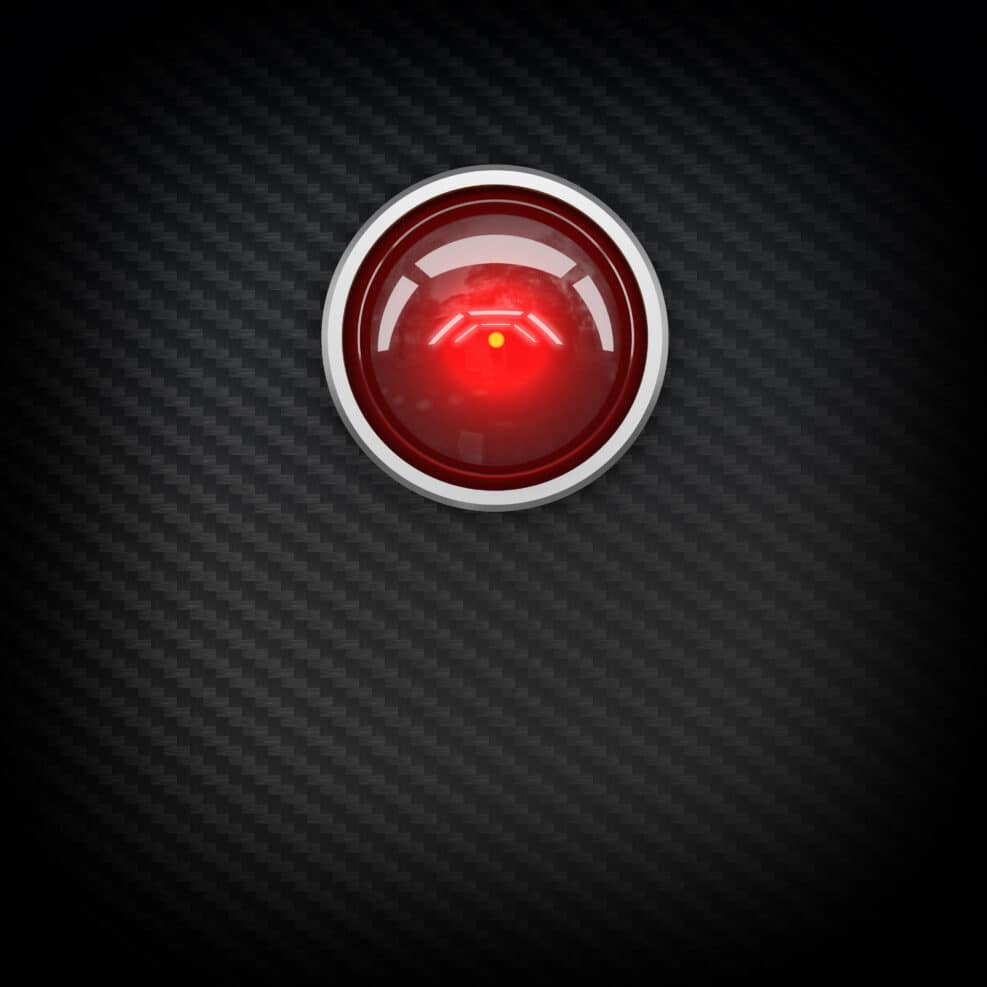
A critical question for assessing the future of AI is, why did the space agency give HAL almost total control of the ship.
Read More ›
We don’t really get to see enough of HAL 9000 when he is actually a help to the space travelers, which reduces the impact of his turn.
Read More ›
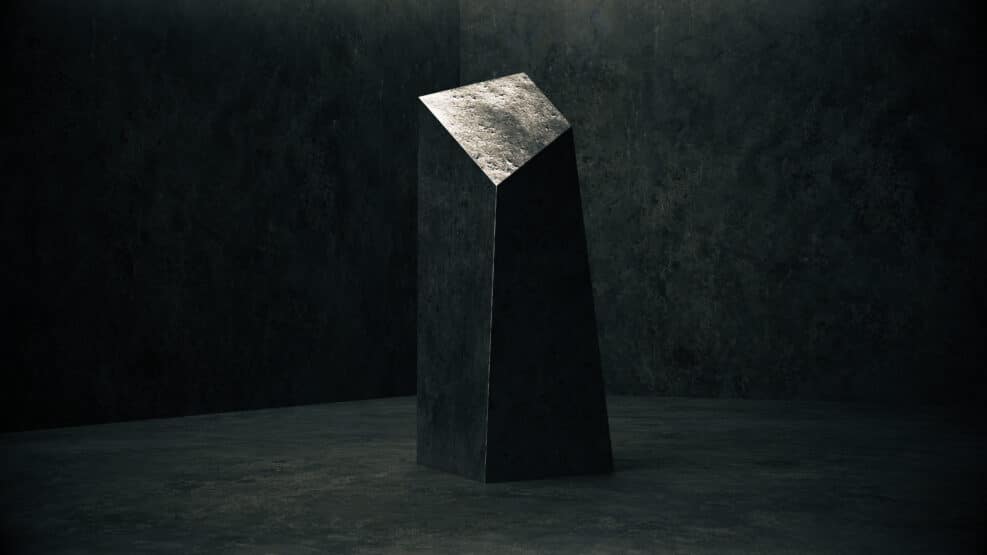
One thing is for certain. In the iconic Dawn of Man sequence, the Monolith is conveying information. The question is how.
Read More ›
Letting the question of who sent the monolith remain a mystery was probably a wise dramatic choice on the part of the writers.
Read More ›
The greatest measure of a film’s success is the test of time. Something about this film works even though it breaks conventions.
Read More ›
Escalation is where the Terminator franchise went wrong. The writers kept enlarging their world until it became contradictory.
Read More ›
To keep the story under control, the time machine itself should be a hard system even if the concept of time is soft and pliable.
Read More ›
Time travel into the future is not as tricky as travel into the past because altering the future does not create so many complex story problems.
Read More ›
Shrouding the story rules in mystery only works with soft magic systems where the story focus is on something other than the system.
Read More ›
Terminator 3 crossed into hard magic territory when it added the concept of fate to time travel, which means that specific rules began to matter.
Read More ›
Soft magic is vague and incidental; hard magic imposes rules on the story. Too often in science fiction, these rules get broken.
Read More ›
The writers of Time Travel 2002 merely use Wells’s story’s name and reputation to tell a less satisfying tale of their own making.
Read More ›
The answer to the traveler’s dilemma is provided by an Uber-Morlock, unique to this version of the story and perhaps the most interesting character in the film.
Read More ›
The time traveler, good-natured gentleman that he is, ignores the hologram’s snootiness and continues asking urgent questions.
Read More ›
Good and bad writing are on a spectrum. Underlying this spectrum is the suspension of disbelief. That is, viewers should forget where they are while watching.
Read More ›
By making the Eloi more hearty and capable of surviving on their own, the writers destroy the seriousness of the threat the Morlocks represent.
Read More ›
In this film, the time traveler has a girlfriend whom he is trying to save from death. But can time travel really alter the course of events?
Read More ›
In the 1895 novel, Wells was working out a Communist-inspired theory of evolution but the 1960 film’s screenwriters chose an anti-war narrative instead.
Read More ›
The time traveler is alarmed to discover that all the knowledge and achievements of man have been lost and he almost despairs.
Read More ›