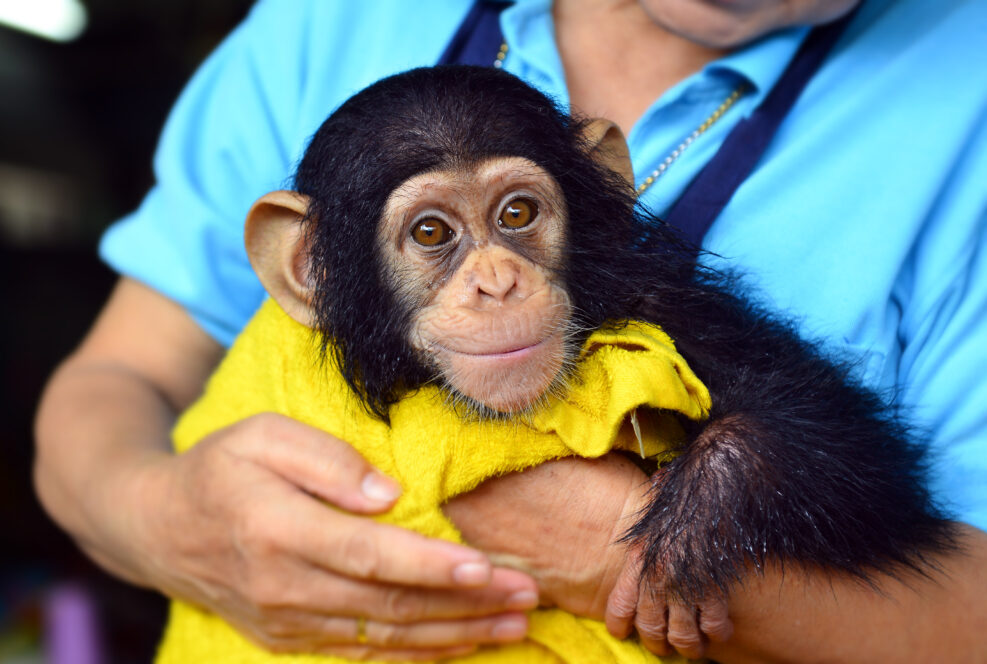
Study: Human brains differ more from chimps’ than once thought
Discarding decades of pop science, science writer Tom Howarth doubts that there is a single defining switch or pivotal evolutionary event that makes us human.
Read More ›Discarding decades of pop science, science writer Tom Howarth doubts that there is a single defining switch or pivotal evolutionary event that makes us human.
Read More ›
It speeded up the process somewhat without affecting the quality. An even more controversial alternative is to try getting a machine to do it.
Read More ›
Of course, the critical question is, how much does the audience actually want originality and how much does it want the old familiar storyline?
Read More ›
One issue that led to conflict with government was 23andMe’s controversial attempt to use consumer genetic data to predict health risks.
Read More ›
If they often sound literate, there’s a good reason. The programmers may be pirating name authors’ works. A current court case sheds some light.
Read More ›
Their brain imaging research suggests that infants do remember things but the memories are not accessed later in life.
Read More ›
Alliance Defending Freedom wants to see public records of the payments to top universities for developing AI tools for online censorship.
Read More ›
So what went wrong? Walker, who studies brands and culture, thinks iRobot went into too many product lines that didn’t catch on like Roomba did.
Read More ›
The main point is that, for a free society, digital literacy matters more than ever.
Read More ›
The four-part series discusses the way that the totalitarianism that Soviet dissidents warned about is emerging in Western society today.
Read More ›
Not many news stories have a moral but this is an exception: The reading public is not governed by White House-directed Facebook mods.
Read More ›
On the 20th anniversary, Terri’s brother, Bobby Schindler, has done a podcast with Wesley J. Smith on the fallout from the widely publicized case.
Read More ›
But former NIH head Francis Collins was a highlight of a recent “Stand Up for Science” rally that seems to want the old regime back again.
Read More ›
They are right to call the whole episode disgraceful. But they should not assume that private truth hysteria can strike only in Canada.
Read More ›
One author tells an interviewer that there hasn’t been much discussion of the failures because “people on the progressive side supported” the extreme measures.
Read More ›
The authors of Soulless Intelligence try ChatGPTo3 mini on the abortion issue and… well, read the rest; it’s not long.
Read More ›
Curiously, Erard’s own grandmother’s last contact with him did not seem so much to be delirium as simply a different cultural understanding from his.
Read More ›
After the test, West cautioned that those who don’t know that AI-based services can be even more biased and inaccurate than other sources are asking for trouble
Read More ›
If the U.S. funds Moldova’s media instead of Russia, the basic problem remains: A foreign government is funding the public news service.
Read More ›
Coming to terms with NASA’s problems means tough decisions and some wrong calls. But the former editor of Popular Mechanics remains optimistic.
Read More ›