Death by Nitrogen: Cruel or Death with Dignity?
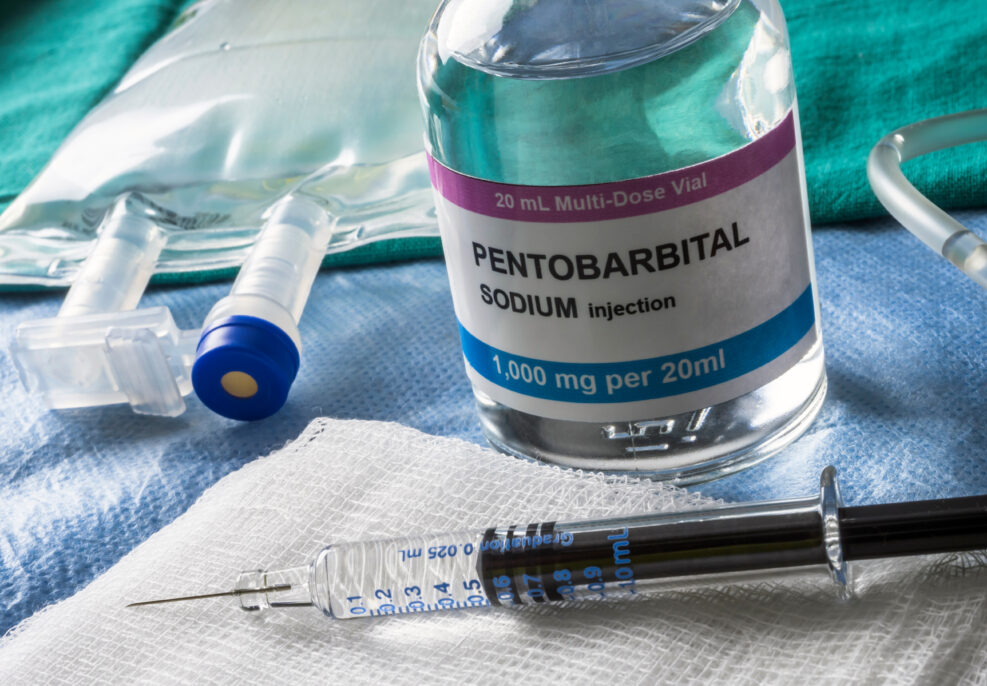
We are told that suicide by nitrogen in the suicide pod is peaceful and dignified.Execution by nitrogen inhalation is another example of what I call cruel and unusual death with dignity.
Read More ›

Execution by nitrogen inhalation is another example of what I call cruel and unusual death with dignity.
Read More ›
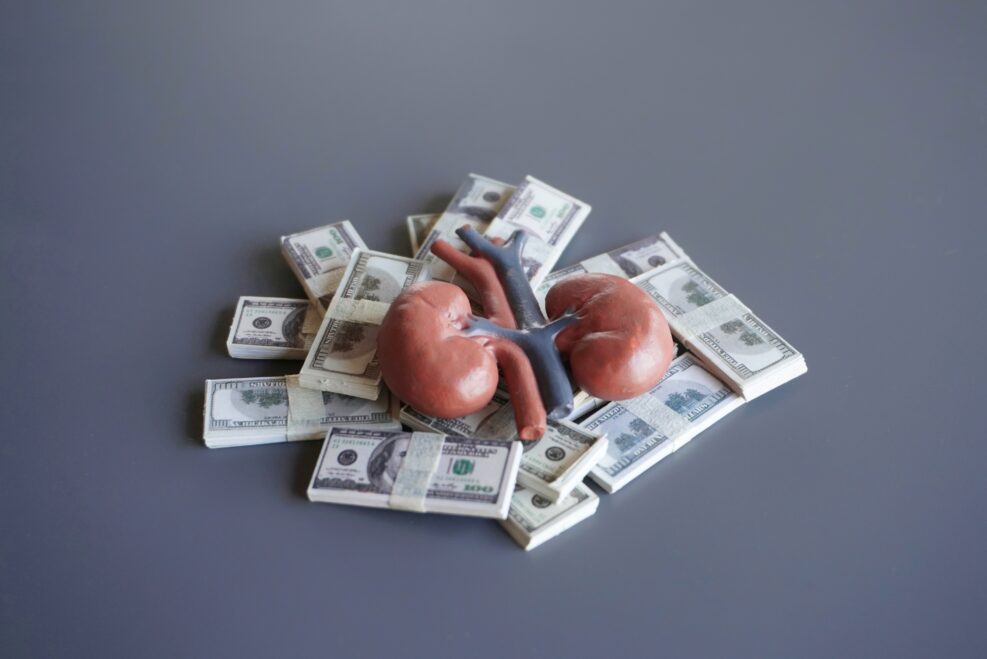
Organ harvesting as the means of euthanasia has already been proposed in a major bioethics journal.
Read More ›
I would be surprised if anything came of it. Authorities rarely have the gumption to seriously punish suicide assistance unless in involves a teenager.
Read More ›
The longer the euthanasia movement is held at bay, the more likely that America can avoid becoming a culture of death like that in Canada.
Read More ›
Increasingly, those who claim to be science’s greatest defenders do the sector wrong by becoming highly ideological and progressively partisan.
Read More ›
China has denied the accusation repeatedly, but multiple international studies and exposés have substantiated the brutality with strong circumstantial evidence.
Read More ›
Choosing Rachel Levine and Seema Yasmin as keynoters reveals how one-sidedly ideological the AAP has become on issues of great cultural importance.
Read More ›
Lately, columns in professional journals have argued repeatedly that our most contentious political controversies be redefined into issues of public health.
Read More ›
Germany’s highest court declared a fundamental right to commit or assist in a suicide for any reason, possibly excepting children.
Read More ›
Rather than simplifying our lives, the internet has made our lives more complicated, what with having to continually change passwords, the use of multiple security levels, the threat of hacking, and the like. Now, with the threat of AI creating fraudulent content, some technologists are proposing “personhood credentials” to thwart incursions and impersonations. From the MIT Technology Review story: Personhood credentials work by doing two things AI systems still cannot do: bypassing state-of-the-art cryptographic systems, and passing as a person in the offline, real world. To request credentials, a human would have to physically go to one of a number of issuers, which could be a government or other kind of trusted organization, where they would be asked to provide evidence that they’re Read More ›

The report discusses long-term health risks and malpractice issues, demonstrating how the conjoining of big profits and radical ideology is a toxic mix.
Read More ›
Almost every state that legalized assisted suicide has already liberalized their laws. It’s NOT just a teensy change in medical ethics.
Read More ›
The push to increase assisted-suicide residency programs is designed to overcome most doctors’ reluctance to kill their patients.
Read More ›
And imagine the mischief when eventually everyone’s genome — which should be private — becomes identifiable and hackable.
Read More ›
Aiding poorer areas of the world to develop scientific infrastructure is a terrific idea but, alas, that’s not what the authors have in mind.
Read More ›
I think the ultimate goal is to boost employment in the bioethics field. The more issues are deemed bioethical, the greater need for bioethics professors.
Read More ›
Plant philosophy seeks to change the definitional understandings of “intelligence” to elevate the moral status of plants relative to humans.
Read More ›
Once the legalization train leaves the station, it is no longer containable or controllable. The category of “killables” never stops expanding.
Read More ›
My mother died of Alzheimer’s, and she was never less than fully human and as worthy of love and regard when she became incompetent.
Read More ›
The myth that legal assisted suicide is about terminal illness is becoming harder to swallow. Evidence can be found in a recent survey of doctors, published in the Journal of Cutaneous Oncology, which asked doctors this question: “In addition to adults with terminal illnesses, [which] other groups of patients who should be MAID eligible?” The answers are disturbing. From the survey: Majorities of doctors surveyed answered that they would be willing to be present when the deed is done. Here’s the question: “If it were available (or is available), what is your willingness to be present when patients took MAID drugs?” Again, disturbing results, with 61% either probably or definitely, yes: That’s only a hop, skip, and a jump to willingness to do the deed. And no Read More ›