Mind Matters Natural and Artificial Intelligence News and Analysis

TagOrgan harvesting

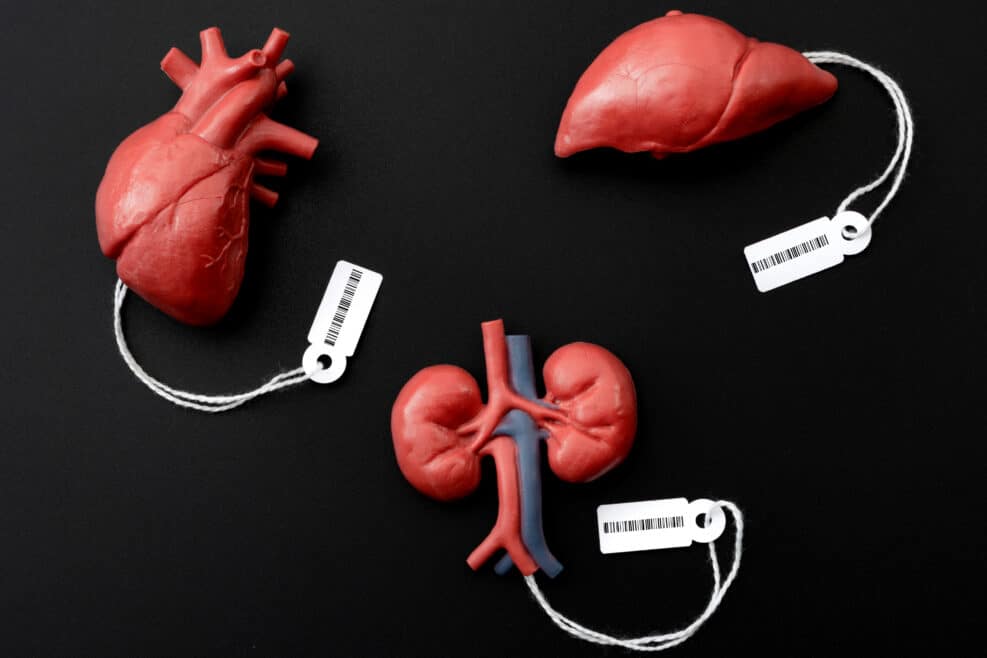
modern-day-slavery-illegal-trade-of-human-organs-on-the-blac-263179007-stockpack-adobestock
Modern day slavery, illegal trade of human organs on the black market and forced organ harvesting of death row inmates concept theme with a liver, heart and kidney with price tags and a barcode

Chinese Surgeons Who Kill Prisoners by Organ-Harvesting Face No Consequences

Nothing is done because, as the cliché has it, their murderous actions are a feature of the system, not a bug

Every diplomatic engagement with the Chinese Communist Party should include public disapprobation for these organ-harvesting crimes.

Read More ›
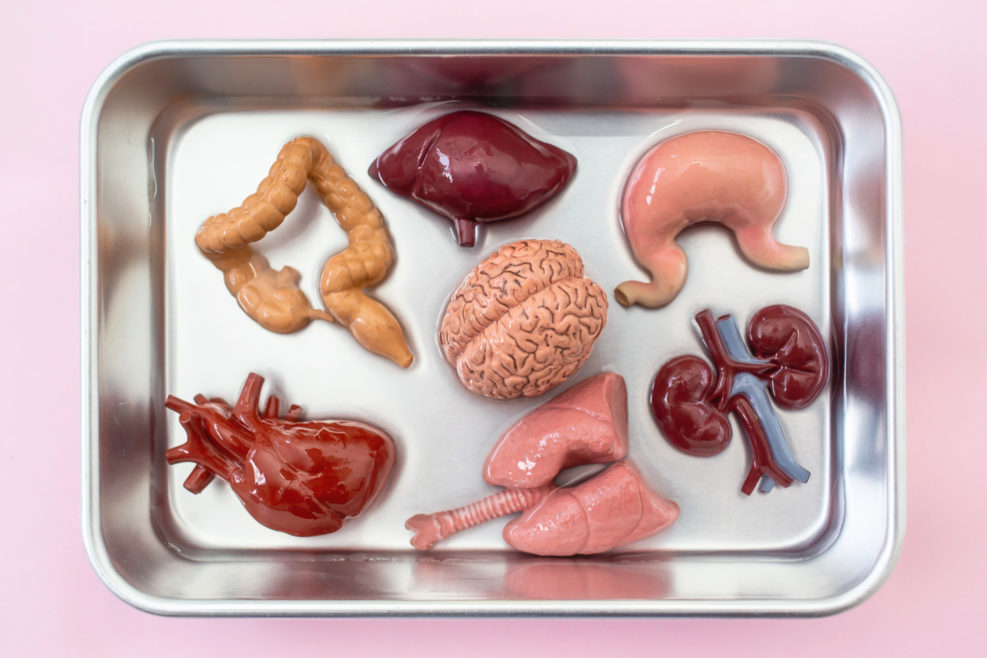
human organs in tray.jpg
Human internal organs on metal plate ready for organ transplant.

Medical Journal Pushes Conjoining Euthanasia and Organ Harvesting

Conjoining organ harvesting with euthanasia is now deemed so respectable it is even boosted at the highest levels of the medical establishment

Organ harvesting as the means of euthanasia has already been proposed in a major bioethics journal.

Read More ›
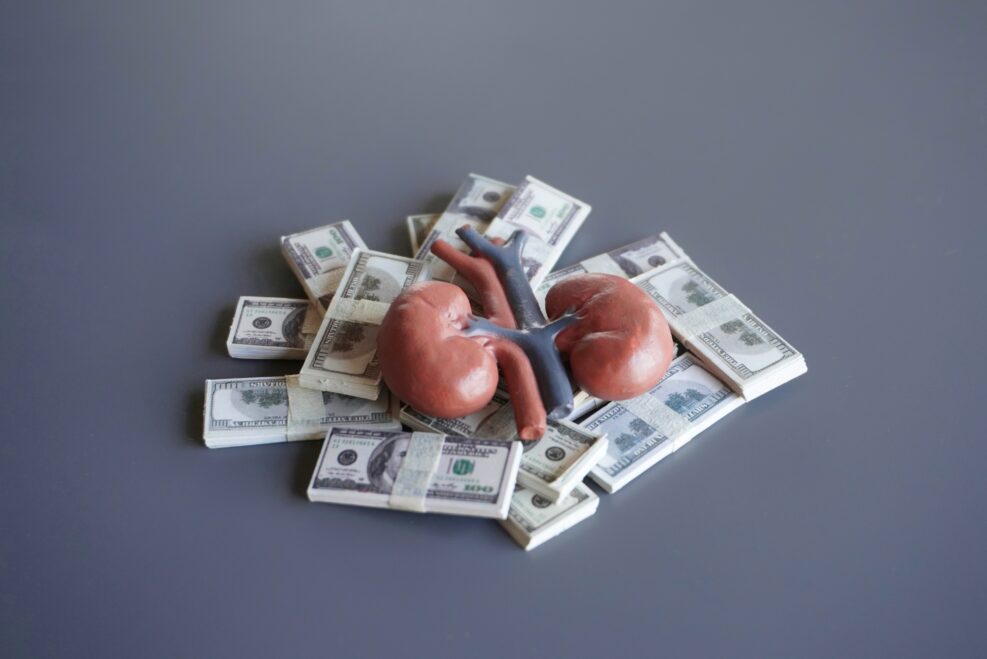
human-kidney-and-money-buy-and-sell-human-organ-healthcare-medical-expenses-concept-stockpack-adobe-stock
Human kidney and money. Buy and sell human organ, healthcare, medical expenses concept

Falun Gong Member Whose Organs Were Harvested Proves China’s Guilt

Prisoners like the Uyghurs or Falun Gong are valued for organ transplants on account of their clean living lifestyles, unlike common criminals

China has denied the accusation repeatedly, but multiple international studies and exposés have substantiated the brutality with strong circumstantial evidence.

Read More ›
doctor-defibrillating-critical-patient-in-hospital-stockpack-adobe-stock
Doctor Defibrillating Critical Patient In Hospital

Near-Death Experience Study: Brain Is Active After Death

Science media are making surprisingly few efforts to attack or explain away the team’s findings

In their Discussion, the authors conclude, “The recalled experience surrounding death now merits further genuine empirical investigation without prejudice.”

Read More ›