Mind Matters Natural and Artificial Intelligence News and Analysis

CategoryMedicine and Health

senior-care-and-technology-stockpack-adobe-stock.jpg
Senior Care And Technology

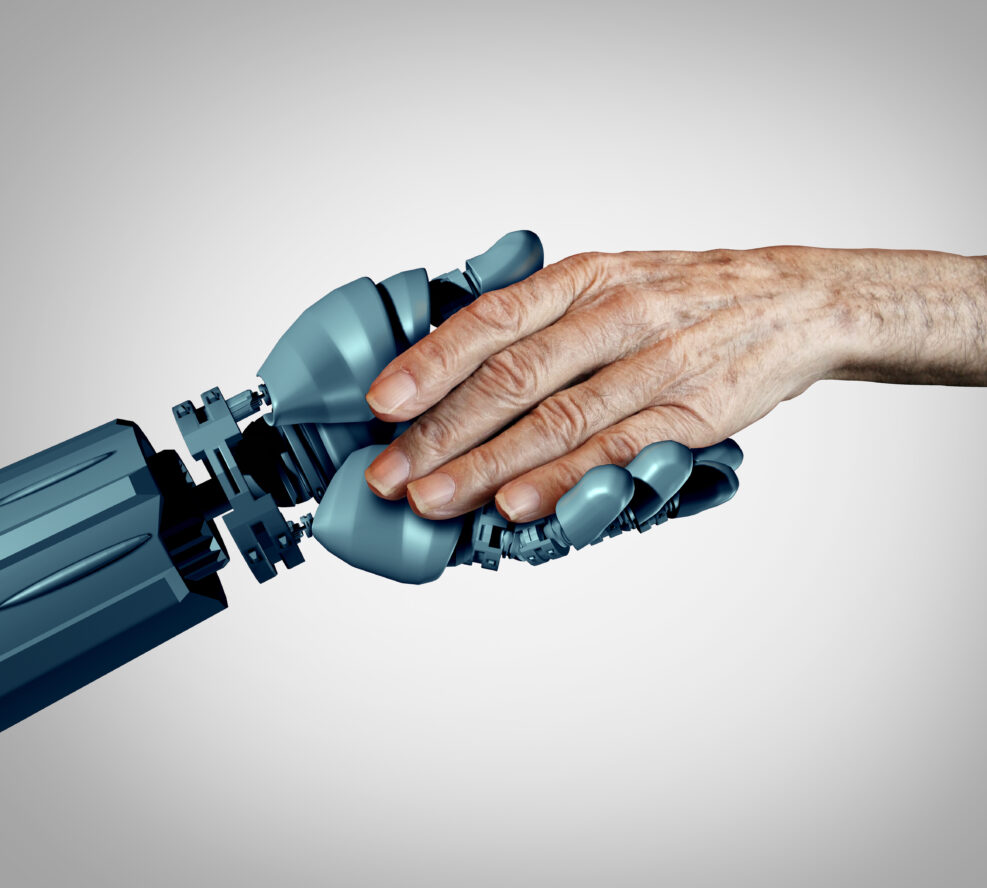
Sophia the Robot Retooled to Help With Senior Care

Hanson Robotics sees a huge opportunity in the COVID lockdowns for a mass robot rollout that substitutes for human companionship

Hong Kong-based Hanson Robotics is rolling out Sophia the Robot, to help people cope with loneliness during government-enforced isolation as a response to COVID-19. Brushing aside claims that human contact is preferred, firm’s principals see the lockdowns as creating new opportunities for the robotics industry. Founder and CEO David Hanson says, “Sophia and Hanson robots are unique by being so human-like. That can be so useful during these times where people are terribly lonely and socially isolated”: Social robotics professor Johan Hoorn, whose research has included work with Sophia, said that although the technology is still in relative infancy, the pandemic could accelerate a relationship between humans and robots. “I can infer the pandemic will actually help us get robots Read More ›

closeup-of-ill-blond-senior-woman-sitting-at-home-and-taking-oxygen-from-respirator-while-nurse-with-protective-mask-on-sitting-next-to-her-and-holding-her-hand-during-corona-virus-stockpack-adobe-stock.jpg
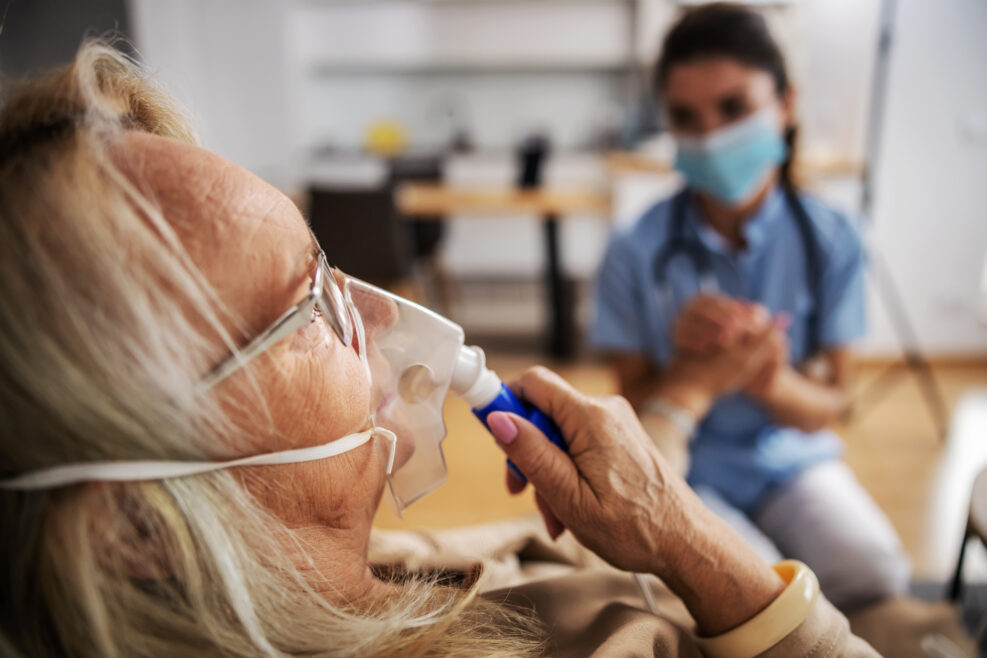
Closeup of ill blond senior woman sitting at home and taking oxygen from respirator while nurse with protective mask on sitting next to her and holding her hand during corona virus.

Explosive New Information About New York’s Mass COVID Deaths

In a video conference, perhaps accidentally, a health official blurted out the deadly policy and the reasoning behind it

In November, I wrote about the horrendous consequences of the official directive issued March 25, 2020 by senior New York State officials that required nursing homes to admit residents regardless of their COVID-19 status. In fact, the directive prohibited testing residents prior to admission: No resident shall be denied re-admission or admission to the NH solely based on a confirmed or suspected diagnosis of COVID-19. NHs are prohibited from requiring a hospitalized resident who is determined medically stable to be tested for COVID-19 prior to admission or readmission. [underline in original]. The officials responsible are Governor Andrew Cuomo (pictured), Department of Health (DOH) Commissioner Howard Zucker, and Deputy Commissioner Sally Dreslin. Despite public outrage and strong media criticism, their order Read More ›

comb-jellyfish-in-the-dark-stockpack-adobe-stock.jpg
Comb Jellyfish in the dark

Sci-Fi Saturday: We Have Met the Aliens and They Are Comb Jellies

The alien life form, when it appears, is very well imagined

Or something. Here’s “Seedling” at DUST, an Irish entry by Michael Donnelly V and Stevie Russell (October 22, 2020, 08:14 min) “Amidst a huge storm, a couple experience an encounter with an alien species.” The opening scene, showing a complete failure of technology (electricity, radio, telephone, car) and the resulting emotional collapse of the female lead, is a stark reminder of how dependent we are on technology today. A thousand years ago, no one would have noticed that anything was wrong, apart from a rather violent storm (which some might attribute to witchcraft, others to sin). The alien life form, when it appears, is very well imagined. It is not remotely what we might have expected (although there are life Read More ›

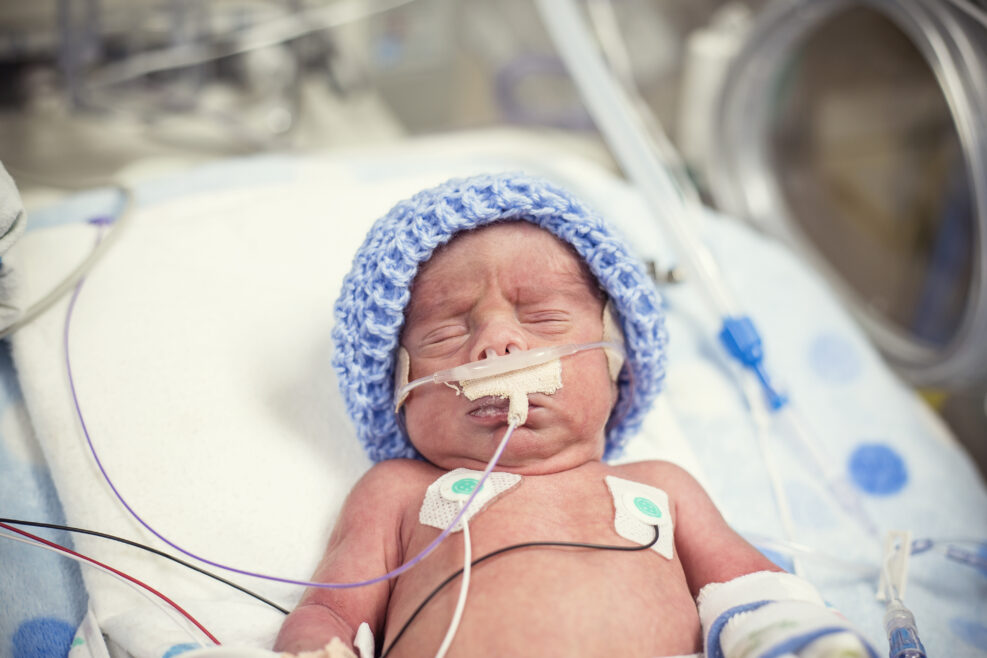
newborn-premature-baby-in-the-nicu-intensive-care-stockpack-adobe-stock.jpg
Newborn premature baby in the NICU intensive care

Do Babies Really Feel Pain Before They Are Self-Aware?

Michael Egnor discusses the fact that the thalamus, deep in the brain, creates pain. The cortex moderates it. Thus, juveniles may suffer more

In last week’s podcast, “Jonathan Wells on Why a Baby Should Live,” neurosurgeon Michael Egnor interviewed molecular and cell biologist Jonathan Wells on that topic, which he discussed in articles at Evolution News and Science Today: (here and here). It’s becoming a hot topic now that a bill to protect babies born alive from abortions from being killed or left to die was recently defeated in the Senate. At the heart of the issue is the conflict between those who believe that all human beings have a right to life and those who believe that children do not have a right to live before they are self-aware. In this segment, Egnor and Wells ask another question: whether a child can Read More ›

cute-baby-lying-on-tummy-in-parents-bed-stockpack-adobe-stock.jpg
Cute Baby Lying On Tummy In Parent's Bed

Is There Bias in Terms of Which Babies Are Aborted?

Abortion is made easy for Black American women, with abortion clinics strategically located within easy walking distance

In last week’s podcast, “Jonathan Wells on Why a Baby Should Live,” neurosurgeon Michael Egnor interviewed molecular and cell biologist Jonathan Wells on that topic, which he discussed in articles at Evolution News and Science Today: (here and here). It’s becoming a hot topic now that a bill to protect babies born alive from abortions from being killed or left to die was recently defeated in the Senate. At the heart of the issue is the conflict between those who believe that all human beings have a right to life and those who believe that children do not have a right to live before they are self-aware. In this segment, Egnor and Wells ask, why are Black American abortion rates Read More ›

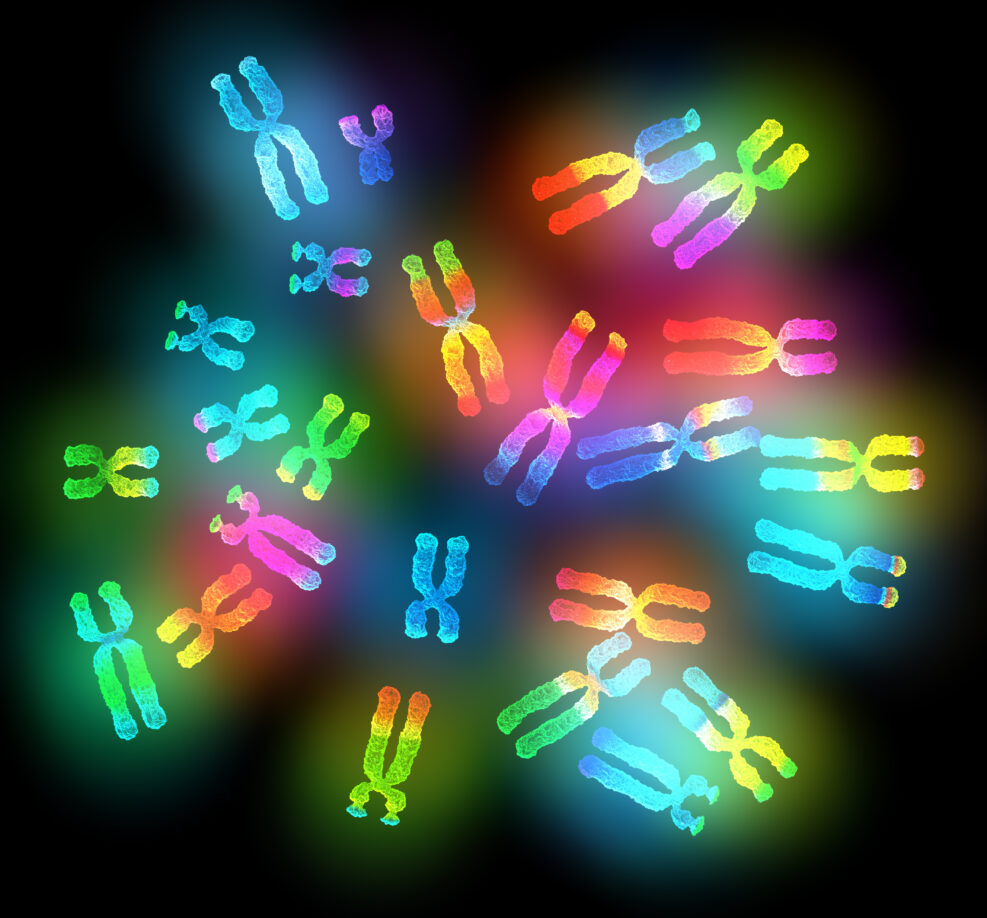
female-chromosomes-medical-artwork-stockpack-adobe-stock.jpg
Female chromosomes, medical artwork

AI Can Fight COVID by Detecting Changes in Virus “Language”

One research team is experimenting with natural language processors (NLP), used to analyze human speech, to detect similar virus mutations

One strategy in the fight against COVID-19 relies on the curious fact that genetics is actually a language. Genome sequencer Francis Collins has even called it The Language of God. More practically, AI programs that act as natural language processors can help catch deadly coronavirus mutations. The same strategies the AIs use for reading sentences can be used to read the virus’s attempts to escape destruction by mutations: Galileo once observed that nature is written in math. Biology might be written in words. Natural-language processing (NLP) algorithms are now able to generate protein sequences and predict virus mutations, including key changes that help the coronavirus evade the immune system. The key insight making this possible is that many properties of Read More ›

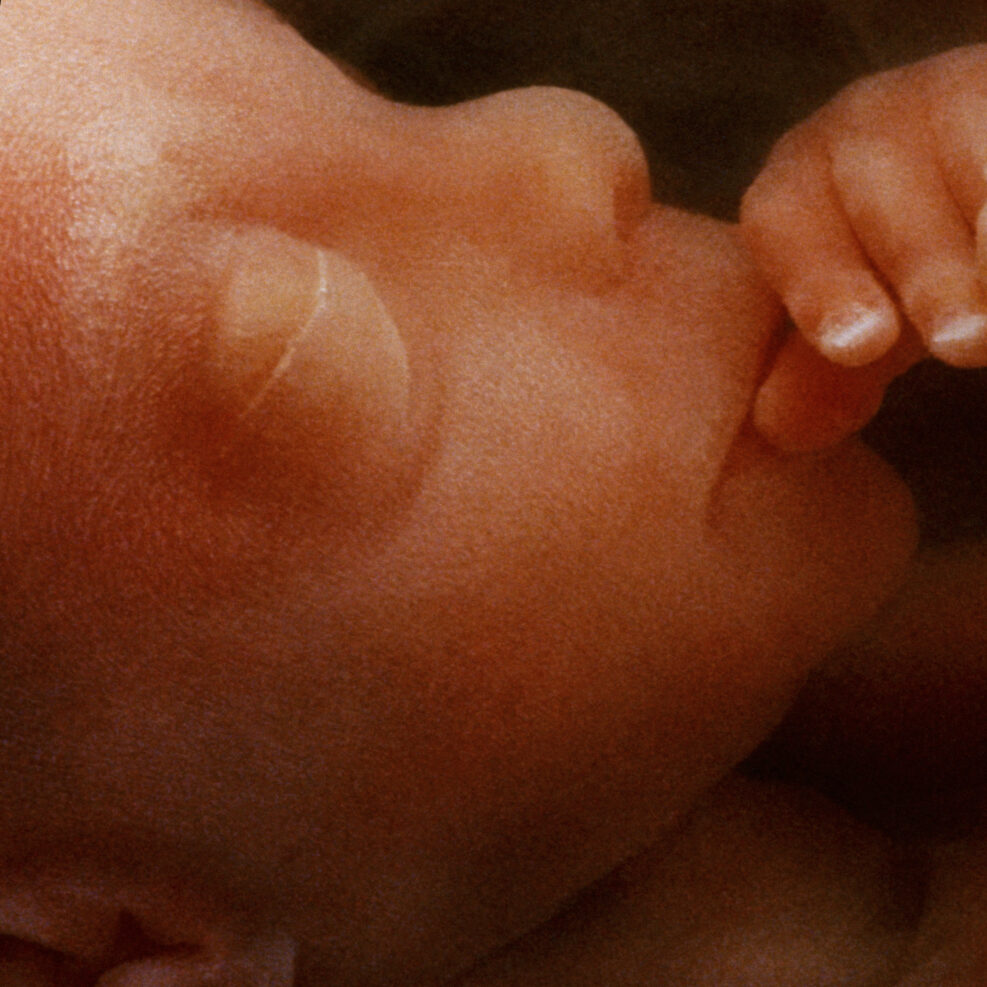
in-vitro-image-of-a-human-fetus-in-the-womb-stockpack-adobe-stock.jpg
In vitro image of a human fetus in the womb

When Does “Human-ness” Really Begin?

Jonathan Wells notes that issues around “personhood” are now purely semantic, especially when the case is being made that many animals are persons too

In last week’s podcast, “Jonathan Wells on Why a Baby Should Live,” neurosurgeon Michael Egnor interviewed molecular and cell biologist Jonathan Wells on that topic, which he has discussed in articles at Evolution News and Science Today: (here and here). It’s becoming a hot topic now that a bill to protect babies born alive from abortions from being killed or left to die was recently defeated in the Senate. At the heart of the issue is the conflict between those who believe that all human beings have a right to life and those who believe that children do not have a right to live before they are self-aware. In unpacking the issues, Egnor and Wells turned to the question of Read More ›

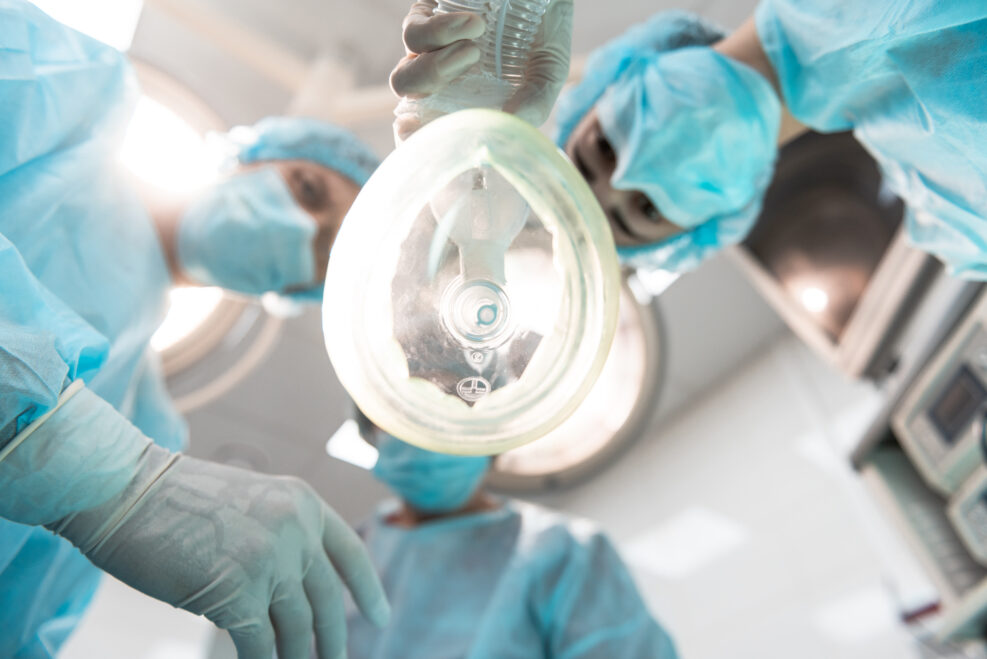
anesthetic inhaler.jpg
Bottom view of three professional doctors leaning over the patient and wearing medical masks while holding the anesthetic inhaler

What Is Your Soul Doing When You’re Under Anesthesia?

It’s an intriguing and important question and you may be surprised by some of the answers

First, no one should worry about unpleasant awareness during anesthesia. I’ve performed more than 7000 brain operations and I’ve never had a patient experience unpleasant awareness related to anesthesia. It does happen, but it’s rare, and I’ve never seen it. I’ve had general anesthesia myself four times, and as I tell my anesthesiology colleagues, I’m a big fan of anesthesia. Modern anesthesia is safe, highly effective, and indispensable. Don’t be afraid of it. But I do need to tell you that there are scientific facts about anesthesia and awareness that may surprise you. Second, when I use the word “soul,” rather than “mind” or “consciousness,” to describe mental states, I am not using the word in a spooky or New Read More ›

light bulb chain off.jpg
Hand turning off the bulb lamp.Turning off the light.

Your Soul Has No “Off Switch”

A major modern misunderstanding of the human mind is to assume that it is like a machine with an “on” and an “off” switch

There is every reason — philosophical and scientific — to infer that man has an immortal soul.

Read More ›
light bulbs helmet.jpg
Junger Mann mit Glühbirnen-Helm

Does the Ability To Think Depend on Consciousness?

From a medical perspective, “consciousness” adds nothing to the description of mental states

The title question might seem like a strange one but it is vitally important if we are to interpret neuroscience correctly and if we are to understand the mind–brain relationship. In my view, the capacity for thought does not depend on consciousness. The term “consciousness” is at best meaningless and at worst an impediment to understanding the mind. “Consciousness” is a very vague term and, ultimately, I don’t think it has any useful meaning at all, apart from other categories such as sensation, perception, imagination, reason etc. Aristotle had no distinct term for it. Nor do I think did any of the ancient or medieval philosophers. Consciousness is a modern term that seems to subsume all of the sensate powers Read More ›

global-virus-and-disease-spread-coronavirus-stockpack-adobe-stock.jpg
Global virus and disease spread, coronavirus

How China Has Tried To Suppress Coronavirus Science

So far as investigative journalists have been able to determine, the suppression came directly from the top

An investigation by the Associated Press reveals what everyone has suspected since the beginning of the SARS-CoV-2 (coronavirus) pandemic: The Chinese Communist Party (CCP) has been keeping a tight rein on the publication or distribution of any scientific research on the coronavirus conducted within the country. AP recently found out just how extensive the muzzling of scientific findings has been. Its report also confirms that the orders came from the top: The AP investigation was based on dozens of interviews with Chinese and foreign scientists and officials, along with public notices, leaked emails, internal data and the documents from China’s cabinet and the Chinese Center for Disease Control and Prevention. It reveals a pattern of government secrecy and top-down control Read More ›

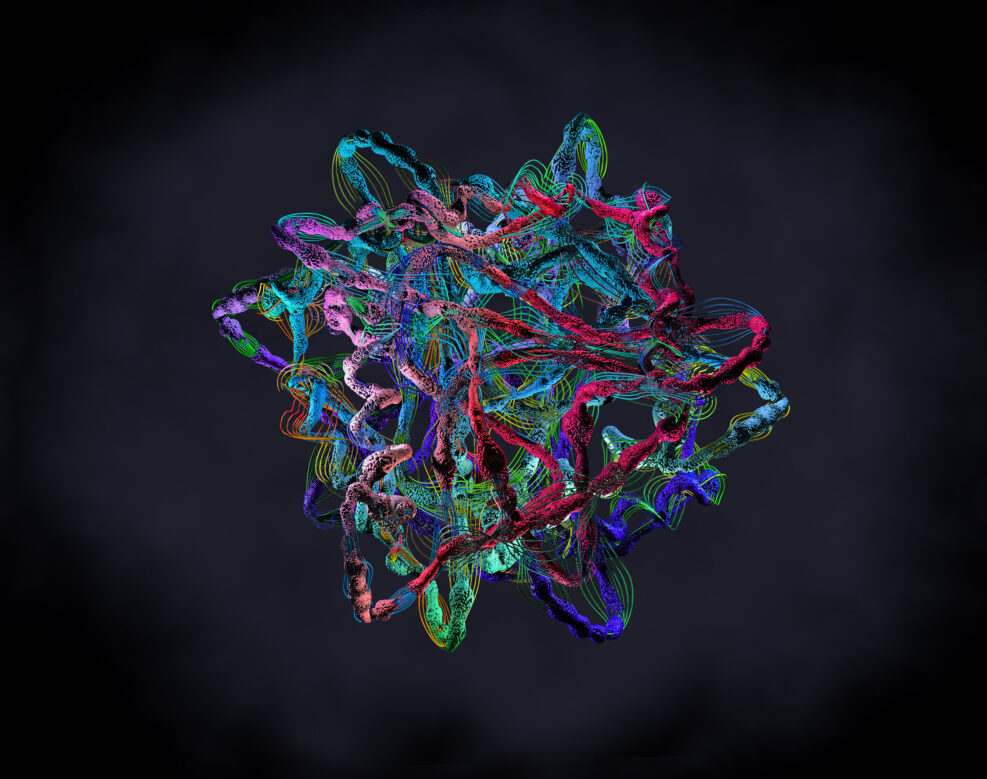
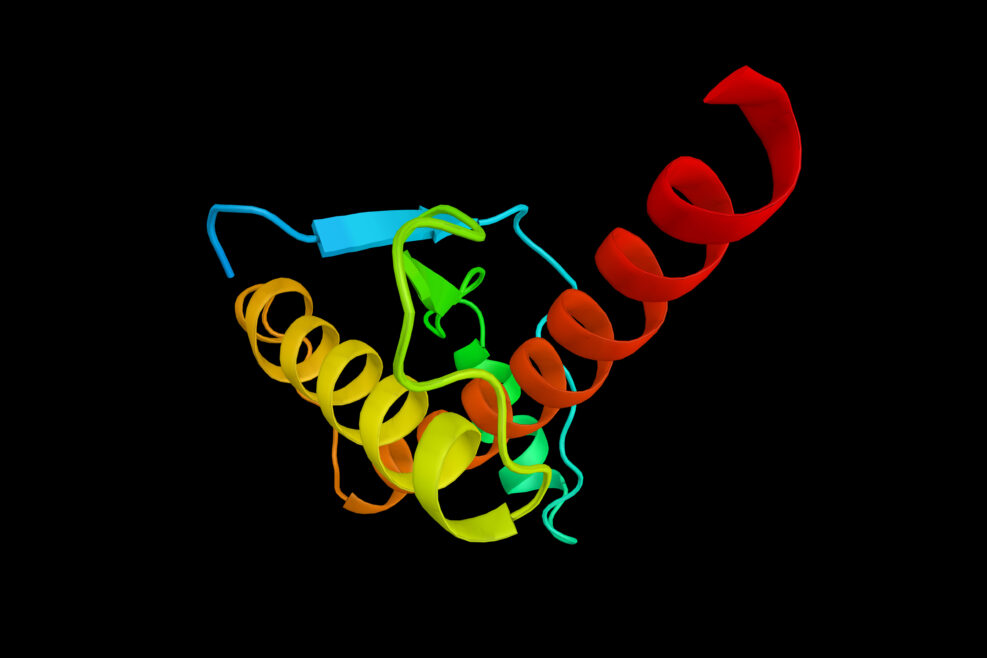
chain-of-amino-acid-or-biomolecules-called-protein-3d-illustration-stockpack-adobe-stock.jpg
Chain of amino acid or biomolecules called protein - 3d illustration

#1 Smash Hit in AI 2020: AI Cracks Protein Folding!

The reason it became possible, of course, is many years of human creativity

Our Walter Bradley Center director Robert J. Marks is back with the second instalment of 2020 smash hits in AI—and now, the #1 Smash Hit! Readers may recall that we offered a fun series during the holidays about the oopses and ums and ers in the discipline (typically hyped by uncritical sources). This time, Dr. Marks talks with Jonathan Bartlett and Eric Holloway about AI programs that can beat humans at understanding the complexities of protein folding, the immensely complex ways that proteins in our bodies actually work. Robert J. Marks: AI has cracked a problem that stumped biologists for 50 years. And it’s a huge deal. Jonathan and Eric, elaborate on this a little bit. Jonathan Bartlett: Well, protein Read More ›

legs-of-disabled-person-stockpack-adobe-stock.jpg
Legs of disabled person.

#3 AI Smash Hits 2020: AI Can Help Paralyzed People Move Again

The human brain can interface directly with electronics

Our Walter Bradley Center director, Robert J. Marks, is back with the second instalment of the 2020 Smash Hits in AI. Readers may recall that we offered a fun series during the holidays about the oopses and ums and ers in the discipline (typically hyped by uncritical sources). This time, Dr. Marks talks with Eric Holloway about ways AI can help people with disabilities. A major, often unrealized, fact is that the human brain can work directly with electronic devices, provided that they are positioned or implanted so as to interface with neurons. Many possibilities are being explored. And the “exoskeleton” is our #3. Our story begins at 10:12 min: https://episodes.castos.com/mindmatters/Mind-Matters-117-Eric-Holloway-Jonathan-Bartlett.mp3 Robert J. Marks: We’re up to number three, where Read More ›

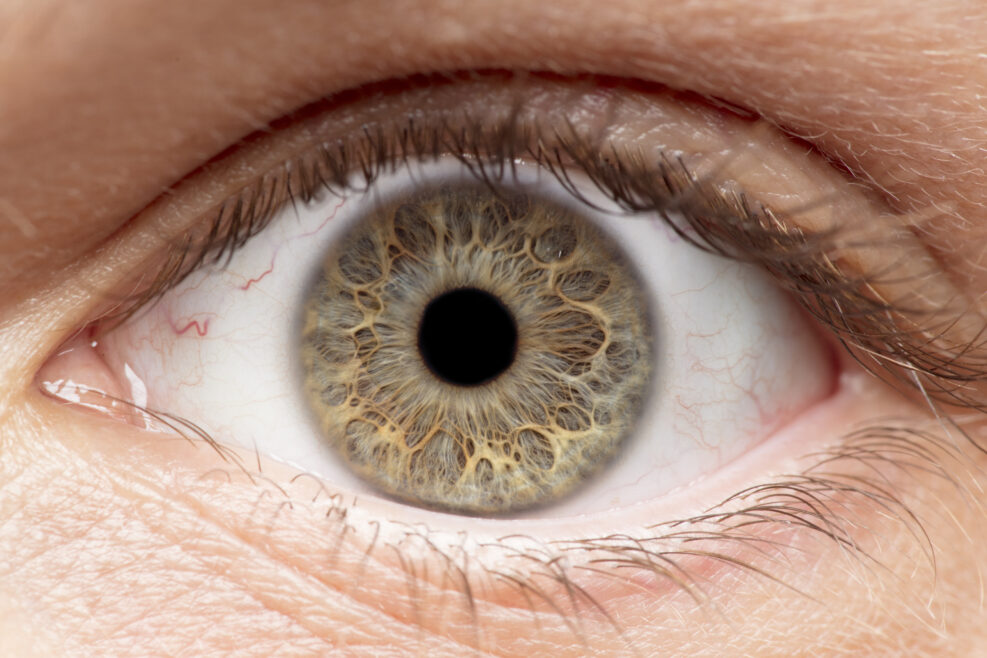
macro-photo-of-human-eye-iris-pupil-eye-lashes-eye-lids-stockpack-adobe-stock.jpg
Macro photo of human eye, iris, pupil, eye lashes, eye lids.

#4 AI Smash Hits 2020 AI Helps Detect Dreaded White Eye Disease

The first step in treatment is correct diagnosis

Our Walter Bradley Center director Robert J. Marks is back with the second instalment of 2020 smash hits in AI. Readers may recall that we offered a fun series during the holidays about the oopses and ums and ers in the discipline (typically hyped by uncritical sources). This time, Dr. Marks wants to talk about a serious issue: The use of AI apps developed at his university, Baylor in Texas, to detect “white eye,” an eyeball cancer in children. “White eye” or leukocoria can be caused by a number of conditions, many of which are treatable. In some cases, however, it is a form of cancer (retinoblastoma). Our story begins at 14:32: https://episodes.castos.com/mindmatters/Mind-Matters-117-Eric-Holloway-Jonathan-Bartlett.mp3 Robert J. Marks: Now, the story behind Read More ›

colonnade-in-medieval-spanish-monastery-of-santo-estevo-stockpack-adobe-stock.jpg
colonnade in medieval spanish monastery of Santo Estevo

Can Religion Improve a Person’s Mental Health?

That’s a big claim but there is considerable evidence for it. The question is, what does the evidence mean?

In 2020, a year when Americans’ perception of their own mental health dropped significantly, we are told that Gallup reported: The only demographic subgroup who didn’t report a decline were those who attend religious services weekly. That group showed an increase of 4 percent compared to 2019. Joe Carter, “New Study: Frequent Churchgoers Have Better Mental Health” at Gospel Coalition Carter cites several sources arguing for the benefits of religion but, in truth, it’s not really a new idea. Religion gives people something to believe in, provides a sense of structure and typically offers a group of people to connect with over similar beliefs. These facets can have a large positive impact on mental health—research suggests that religiosity reduces suicide Read More ›

female-doctor-consoling-senior-woman-wearing-face-mask-during-home-visit-stockpack-adobe-stock.jpg
Female doctor consoling senior woman wearing face mask during home visit

#8 in our AI Hype Countdown: AI Is Better Than Doctors!

Sick of paying for health care insurance? Guess what? AI is better ! Or maybe, wait…

Merry Christmas! Our Walter Bradley Center director Robert J. Marks has been interviewing fellow computer nerds (our Brain Trust) Jonathan Bartlett and Eric Holloway about 12 overhyped AI concepts of the year. From AI Dirty Dozen 2020 Part II. Now here’s #8. Sick of paying for health care insurance? Guess what? AI is better! Or maybe, wait… “Is AI really better than physicians at diagnosis?” starts at 01:25 Here’s a partial transcript. Show Notes and Additional Resources follow, along with a link to the complete transcript. Robert J. Marks: We’re told AI is going to replace lawyers and doctors and accountants and all sorts of people. So, let’s look at a case of the physicians. This was a piece on Read More ›

junk-science-concept-stockpack-adobe-stock.jpg
Junk Science concept

The British Medical Journal’s Top Picks in Offbeat Medical Science

In its legendary Christmas edition, the Journal highlights interesting findings that are often junk science

The British Medical Journal (BMJ) is one of the world’s oldest and most prestigious medical journals. Each Christmas, they take time off from the usual dry academic papers and publish studies that are noteworthy for their originality: “We don’t want to publish anything that resembles anything we’ve published before.” Although the papers are unusual, BMJ’s editors state that: While the subject matter may be more light-hearted, research papers in the Christmas issue adhere to the same high standards of novelty, methodological rigour, reporting transparency, and readability as apply in the regular issue. Christmas papers are subject to the same competitive selection and peer review process as regular papers. The articles are often goofy, and four have won the dreaded satiric Read More ›

the-human-stomach-is-strong-the-internal-organs-are-shaped-by-green-trees-environment-stockpack-adobe-stock.jpg
The human stomach is strong. The internal organs are shaped by green trees. (environment)

Did You Know You Have a Second Brain?

Our guts operate on a quite separate nervous system. Learning more will help control gastrointestinal diseases

Our huge gastrointestinal tracts operate their own nervous system, using neurons that follow different principles from those of brain neurons, according to recent findings: Our approximately seven-meter long gastrointestinal (GI) tract has its own functionally distinct neurons. Since this enteric nervous system (ENS) operates autonomously, it is sometimes referred to as the “second” or “abdominal” brain. While the ENS controls muscle movement (peristalsis) in the gut and its fluid balance and blood flow, it also communicates with the immune system and microbiome. Karolinska Institutet, “New fundamental knowledge of the ‘abdominal brain’” at Medical Xpress (December 7, 2020) Paper. (subscription required) The Karolinska researchers made progress in studying the little-understood second brain by mapping the neuron types in the digestive systems Read More ›

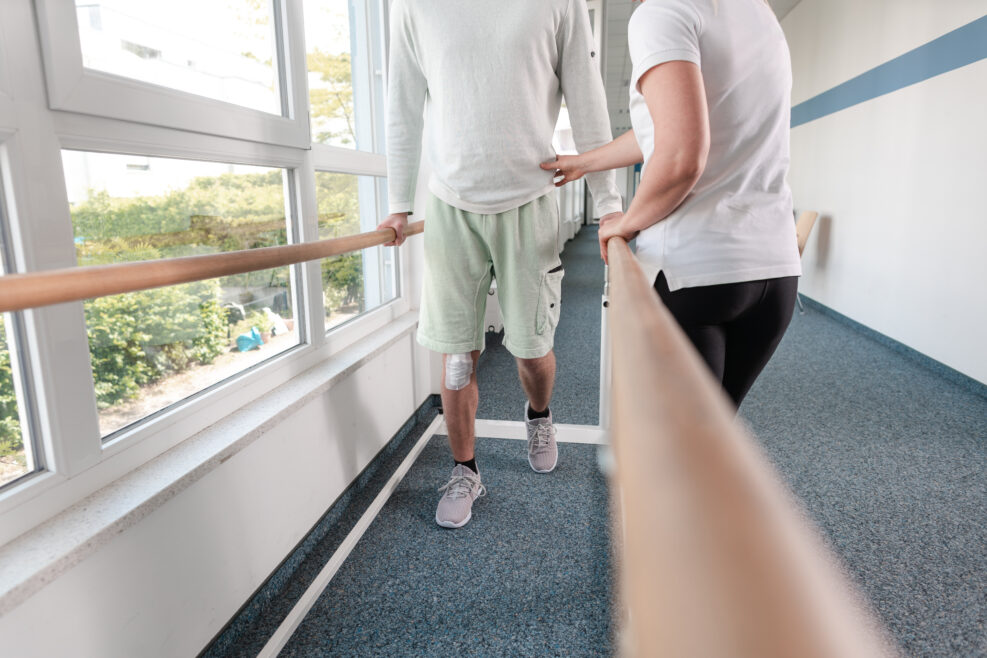
therapist-helping-young-man-learning-to-walk-again-in-rehabilitation-stockpack-adobe-stock.jpg
Therapist helping young man learning to walk again in rehabilitation

Why Robotics Offers Hope for Paraplegics

The breakthrough idea is that the human brain can process electronic signals from machines as well as signals from peripheral nerves

Neuroengineer Gordon Cheng compares technology that can help paraplegics to walk again to learning to drive a car: The idea behind this is that the coupling between the brain and the machine should work in a way where the brain thinks of the machine as an extension of the body. Let’s take driving as an example. While driving a car, you don’t think about your moves, do you? But we still don’t know how this really works. My theory is that the brain somehow adapts to the car as if it is a part of the body. With this general idea in mind, it would be great to have an exoskeleton that would be embraced by the brain in the Read More ›

human-prion-3d-model-prion-is-an-infectious-agent-that-can-fo-stockpack-adobe-stock.jpg
Human prion (3d model). Prion is an infectious agent that can fo

AlphaFold Scores Huge Breakthrough in Analyzing Causes of Disease

In a world so deeply designed and complexly organized, we need a quick and practical way of knowing what was going on in cells and viruses. AI can help

Alphabet’s DeepMind team has just scored a breakthrough in finding treatments for diseases. Their latest AlphaFold system won a grand challenge in analyzing the “folds” of proteins. Proteins—large and often very complex chains of amino acids—do the work in our cells. But, like all bodies, they are three-dimensional. We can’t understand them until we can analyze the folds (the third dimension) that are unique to each type among hundreds of thousands. Knowing what a given protein actually does (or doesn’t) is critical to developing many new medical treatments. How hard is the problem? In his acceptance speech for the 1972 Nobel Prize in Chemistry, Christian Anfinsen famously postulated that, in theory, a protein’s amino acid sequence should fully determine its Read More ›