Mind Matters Natural and Artificial Intelligence News and Analysis

ArchiveArticles

david-pisnoy-660309-unsplash

George Gilder: Life after Google Will Be Okay

People will take ownership of their own data, cutting out the giant “middle man”

In his new book, he calls the successor era he envisions the “cryptocosm,” referring to the private encryption of data, represented by technologies such as blockchain.

Read More ›


kevin-364843-unsplash

Who Creates Information in a Market?

Do exchange-traded funds (ETFs)' algorithms make personally gathering information obsolete?

Algorithmic strategies can only be as good as the information that goes into them.  Ignoring how the information is created causes us to misunderstand the dynamics of value creation.  Algorithms can leverage information, they can’t create it.

Read More ›
Cropped shot of call center operator in headset working and talking with client

Why machines can’t think as we do

As philosopher Michael Polanyi noted, much that we know is hard to codify or automate

Human life is full of these challenges. Some knowledge simply cannot be conveyed—or understood or accepted—in a propositional form. For example, a nurse counselor may see clearly that her elderly post-operative patient would thrive better in a retirement home. But she cannot just tell him so.

Read More ›
hugues-de-buyer-mimeure-350387-unsplash

Why Can’t Machines Learn Simple Tasks?

They can learn to play chess more easily than to walk

If specifically human intelligence is related to consciousness, the robotics engineers might best leave consciousness out of their goals for their products and focus on more tangible ones.

Read More ›
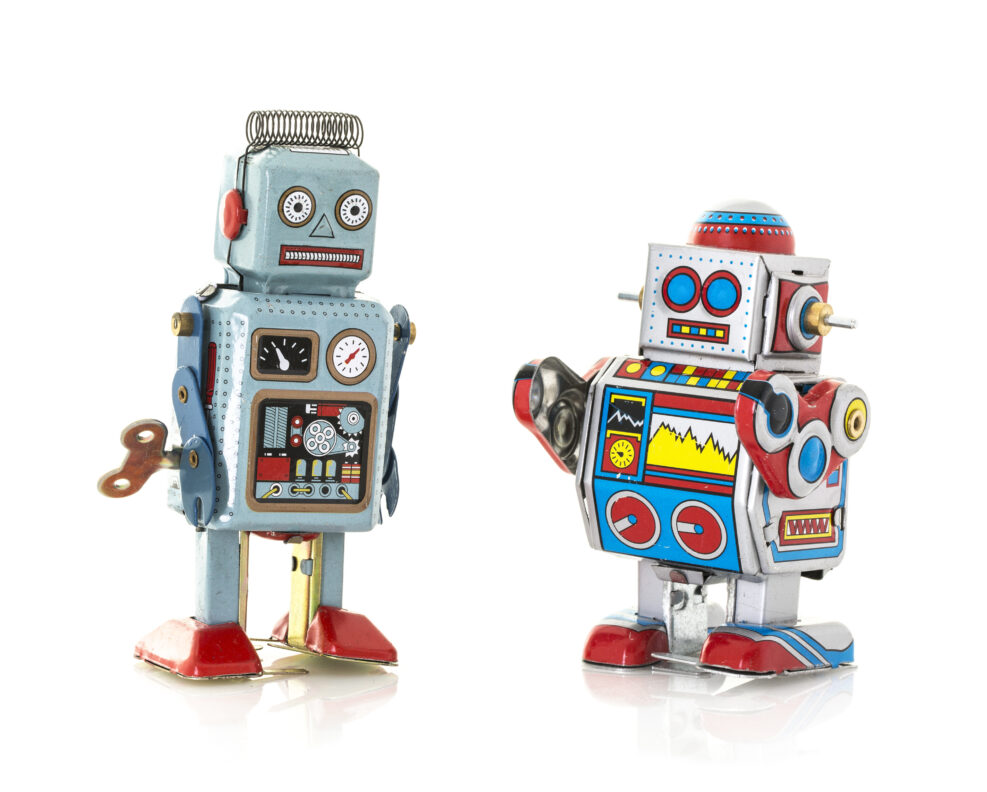
Two Retro Tin Robot on a White Background

The New Politically Correct Chatbot Was Worse?

If you are a human being who talks to people for a living, don’t quit your job

Within 16 hours, the Microsoft team had to shut down their chatbot Tay. With assistance from so many online sources, Tay’s ability to be nasty exceeded that of any individual human. And as for her replacement, Zo, who would never repeat those mistakes…

Read More ›
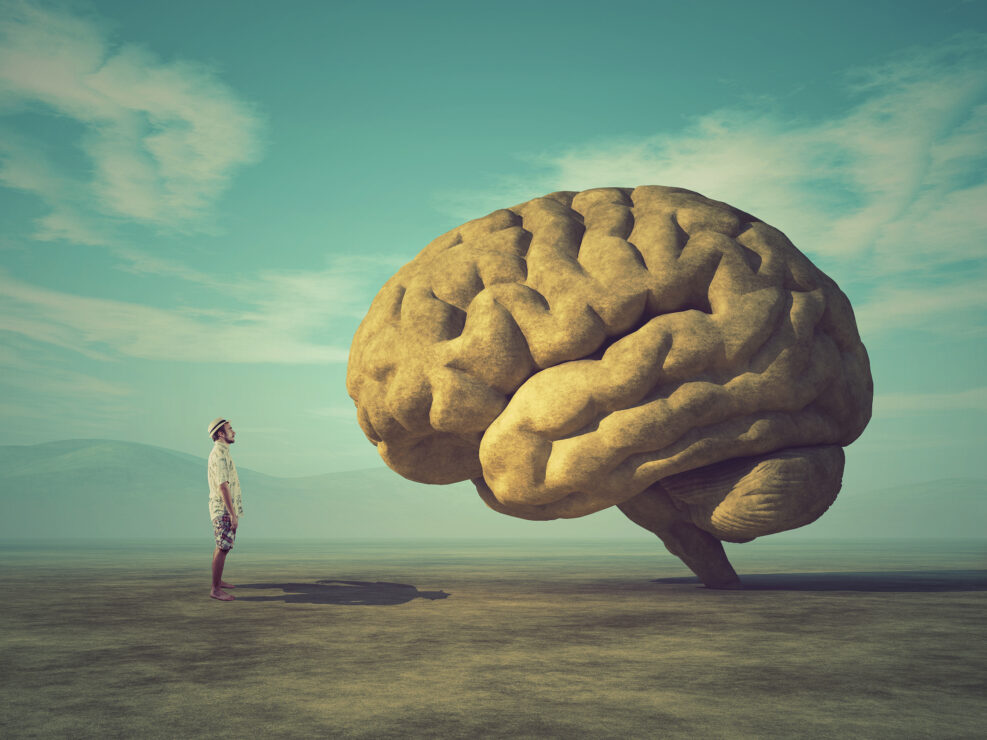
Conceptual image of a large stone in the shape of the human brain
The young and conceptual image of a large stone in the shape of the human brain

The Brain Is Not a “Meat Computer”

Dramatic recoveries from brain injury highlight the difference

The brain looks like a computer only if we analyze it as if it were a computer. Our analysis does not mean that it is a computer, and it does not mean that computation explains the mind or even that computational approaches to neuroscience provide genuinely meaningful insight into neurophysiology.

Read More ›
Bitcoin gold coin. Cryptocurrency concept.

A Wallet You Can’t Feel?

Will Bitcoin change the rituals around money?

It’s tempting to assume that cryptocurrencies like Bitcoin will succeed because social media did. But digital doesn’t mean magic. Cryptocurrencies will work if the needs met are more significant to most people than the problems created are.

Read More ›
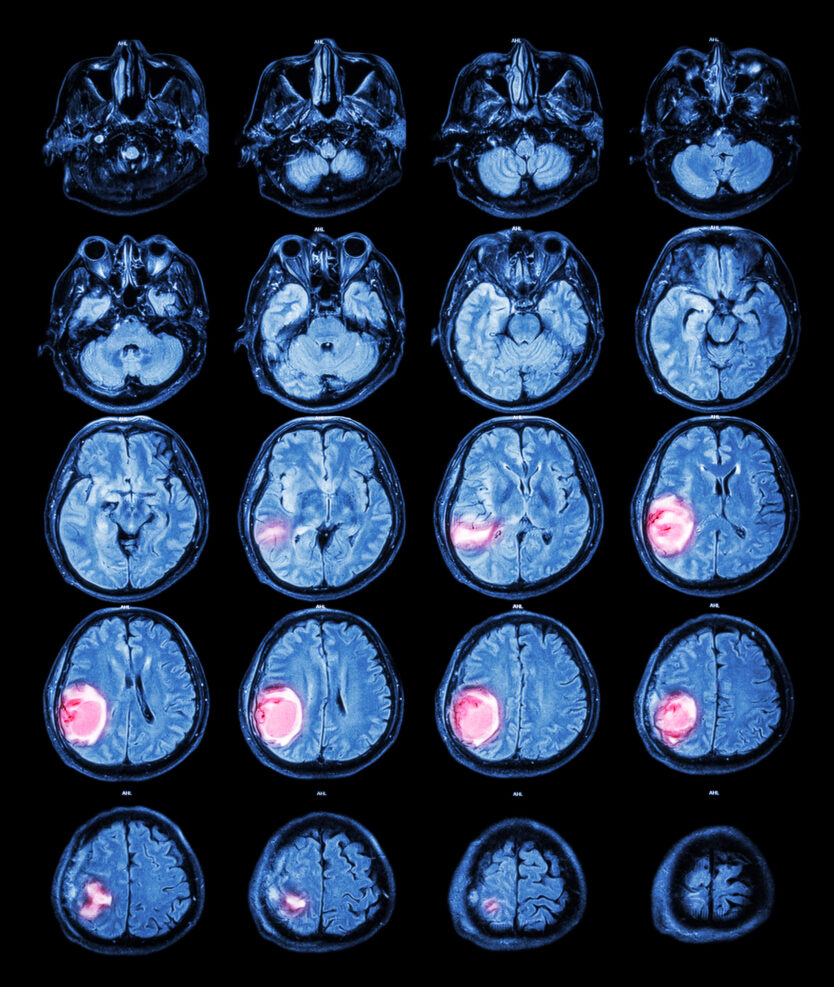
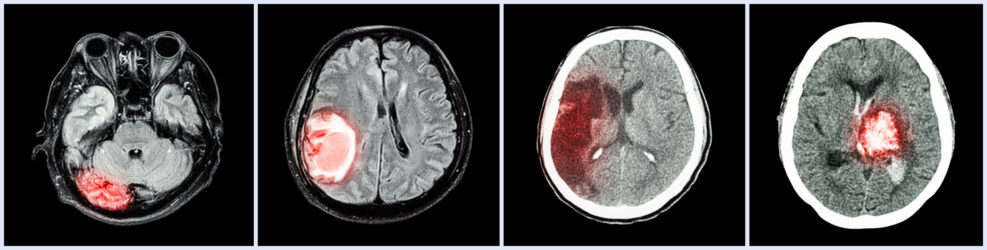
MRI brain : Brain tumor at right parietal lobe

Boy loses large hunk of brain

And is “doing just fine”

When pundits talk glibly of creating artificial minds or claim that consciousness is an illusion, it might help to remember that few predicted cases like this could exist and few thought that high tech diagnostics would lead to their discovery.

Read More ›
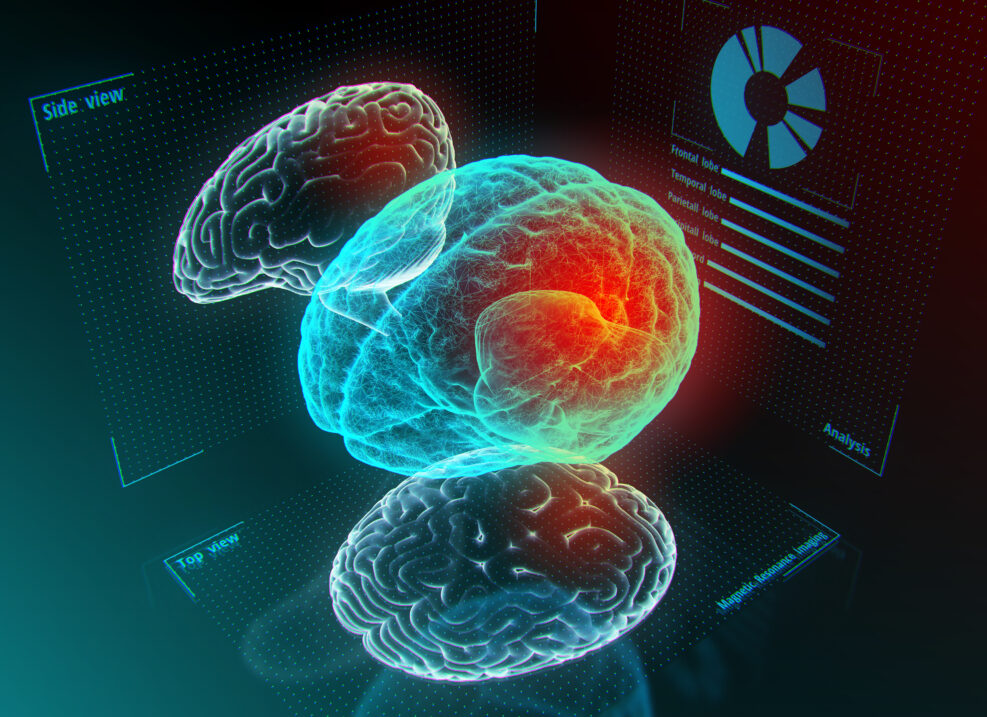
Brain research or diagnostic on the digital model in virtual reality. 3d illustration.

AI That Can Read Minds?

Deconstructing AI hype

The source for the claims seems to be a 2018 journal paper, “Real-time classification of auditory sentences using evoked cortical activity in humans.” The carefully described results are indeed significant but what the Daily Mail article didn’t tell you sheds a rather different light on the AI mind reader.

Read More ›
andre-francois-557624-unsplash

Is Bitcoin Safe?

Why the human side of security is critical

Bitcoin solves a lot of tough problems in very ingenious ways. Unfortunately, however, those benefits don’t tend to translate well for end users, who are not nearly as ingenious as the people developing the system.

Read More ›
natanael-melchor-465383-unsplash

Claim: Yes, you can upload your brain

Fine print: They might have to kill you first

In a recent piece, we looked at cognitive scientist Susan Schneider’s explanation as to why we couldn’t cheat death by uploading our minds to the internet. But some have made a career of marketing the idea

Read More ›
grace-madeline-493254-unsplash

How to hack your unconscious mind

Assuming it exists

Those who tell us that we can learn to use our unconscious mind and those who tell us that it doesn’t exist both claim to speak for science. But this is no ordinary dispute. An ordinary dispute might be something like What killed the dinosaurs? Imagine instead a dispute between scientists who do and scientists who do not believe that dinosaurs have ever existed.

Read More ›
Collection CT scan of brain and multiple disease

Better medicine through machine learning?

Data can be a dump or a gold mine

The biggest problem today isn’t the sheer mass of data so much as the difficulty of determining what it is worth. The answer lies, unfortunately, in the undone studies and the unreported events. Machine learning will be a much greater help when those problems are addressed.

Read More ›
CCTV camera or surveillance operating with crowded people in bac

AI Has a (Wonderful) Plan for Your Life

Tech-savvy religion scholars play with reshaping society

The team is pessimistic about getting politicians on side and hopes to persuade policy analysts to convince the politicians to adopt the policies their model suggests instead. Wildman predicts, “We’re going to get them in the end.”

Read More ›
jackson-jost-530469-unsplash

AI Is Not (Yet) an Intelligent Cause

So-called “white hat” hackers who test the security of AI have found it surprisingly easy to fool.

Hutson describes one test last year where a computer scientist at UC Berkeley subtly altered a stop sign with stickers. It fooled an autonomous vehicle’s image recognition system into “thinking” it was a 45 mph speed limit sign. Humans could immediately recognize the stop sign, but the car did not. Autonomous car makers wonder, could hackers turn them into terror weapons?

Read More ›
Santa Claus Snow Globe

The driverless car: A bubble soon to burst?

Car expert says journalists too gullible about high tech

Why do we constantly hear that driverless, autonomous vehicles will soon be sharing the road with us? Wolmar blames “gullible journalists who fail to look beyond the extravagant claims of the press releases pouring out of tech companies and auto manufacturers, hailing the imminence of major developments that never seem to materialise.”

Read More ›
viktor-kiryanov-99411-unsplash

Virtual Railroads and West Virginia Back Roads

AI’s Temptation to Theft Over Honest Toil

Just as a train on a rail requires minimal, or indeed no, human intervention, so cars driving on virtual railroads might readily dispense with the human element.

Read More ›
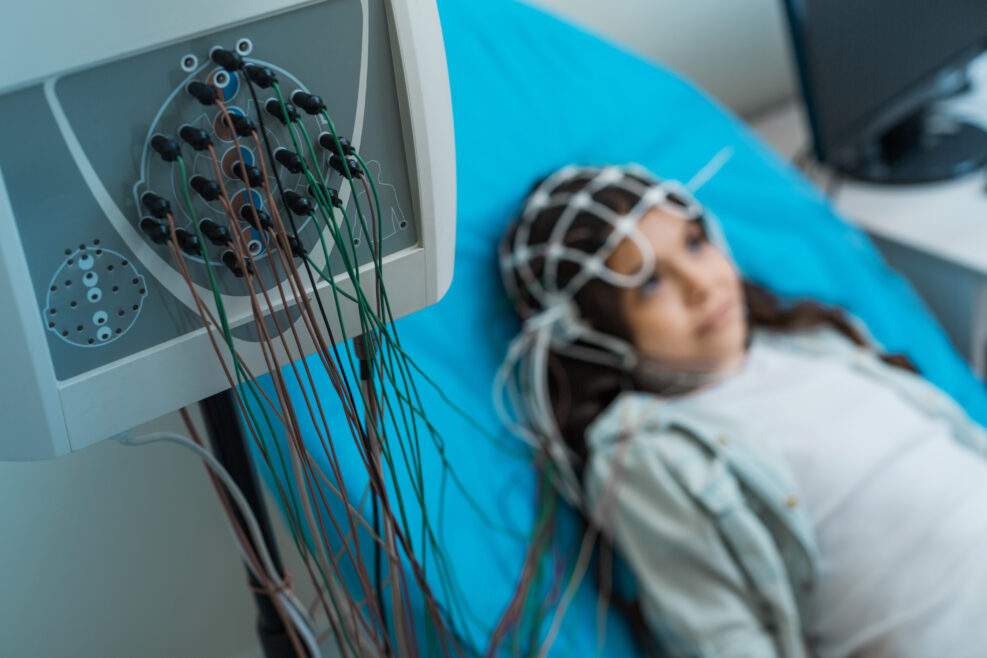
Little girl undergoing electroencephalography procedure

Attend your own funeral!

It’s easy if you upload your consciousness to the cloud, says futurist

Presumably, in Ian Pearson’s future, the rich can attend their own funerals and alternate world funerals an indefinite number of times, each one numbering as many different people as he wants.

Read More ›
freedom-and-illusion

Can free will even be an illusion?

Michael Egnor reiterates the freeing implications of quantum indeterminacy

Many say so. For example, at Cosmos, senior artificial intelligence research scientist Alfredo Metere explains, … there is a causal relationship between the Big Bang and us. In other words, free will is not allowed, and all of our actions are just a mere consequence of that first event. Such a view is known as “determinism”, or “super-determinism” (if one finds it productive to reinvent the wheel). He asserts that today we know the universe to be chaotic. Because the cosmos is clearly chaotic, we can observe time-reversibility only locally, rather than globally. This in turn means that free will is an inevitable illusion for us humans, due to our subjective perception of the universe, rather than its innermost nature. Read More ›

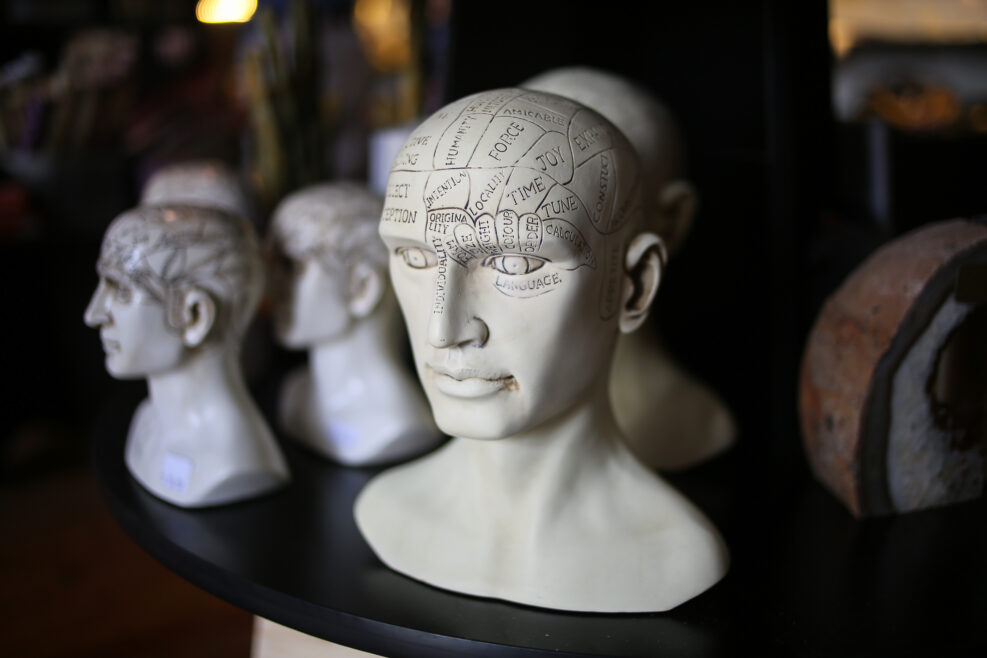
Phrenology Head Busts

Big Question: Can Big Data Read the Minds of Others?

And should Facebook scan your posts for suicidal thoughts? (It does.)

 Neurologist Robert Burton reflects at Aeon on the fact that mind reading does not really work. Most fashionable theories of mind, like the mirror neuron theory, have not really been much use: This is not to say that we have no idea of what goes on in another’s mind. The brain is a superb pattern-recogniser; we routinely correctly anticipate that others will feel grief at a funeral, joy at a child’s first birthday party, and anger when cut off on the freeway. We are right often enough to trust our belief that others generally will feel as we do. More. True, but the problem isn’t with recognizing what most people probably think; it’s with recognizing unusual but important patterns. How Read More ›