Mind Matters Natural and Artificial Intelligence News and Analysis

TagFalun Gong

organ-transplantation-medical-professional-in-a-rush-followi-616236774-stockpack-adobestock
Organ transplantation medical professional in a rush, following a strict procedure with an organ transplant case

Reuters Pulls Vid Where Xi Hails Organ Transplants for Longevity

Putin didn’t seem to care much about what he was heard to say about organ transplants but China is known to harvest organs from doomed political prisoners
When dictators adopt transhumanism, it won't just be Ray Kurzweil trying to upload himself to digital immortality. There will be a very dark side. Read More ›
modern-day-slavery-illegal-trade-of-human-organs-on-the-black-market-and-forced-organ-harvesting-of-death-row-inmates-concept-theme-with-a-liver-heart-and-kidney-with-price-tags-and-a-barcode-stockpack-adobe-stock
Modern day slavery, illegal trade of human organs on the black market and forced organ harvesting of death row inmates concept theme with a liver, heart and kidney with price tags and a barcode

Xi and Putin Are Transhumanists – Are You Surprised?

Transhumanism is mostly a materialistic wail of despair in the night, a desperate quest for hope for those who are terrified that death leads to obliteration
It wouldn’t surprise me if Xi has a political prisoner all tissue-typed and ready to be sliced and diced should the need arise. Read More ›
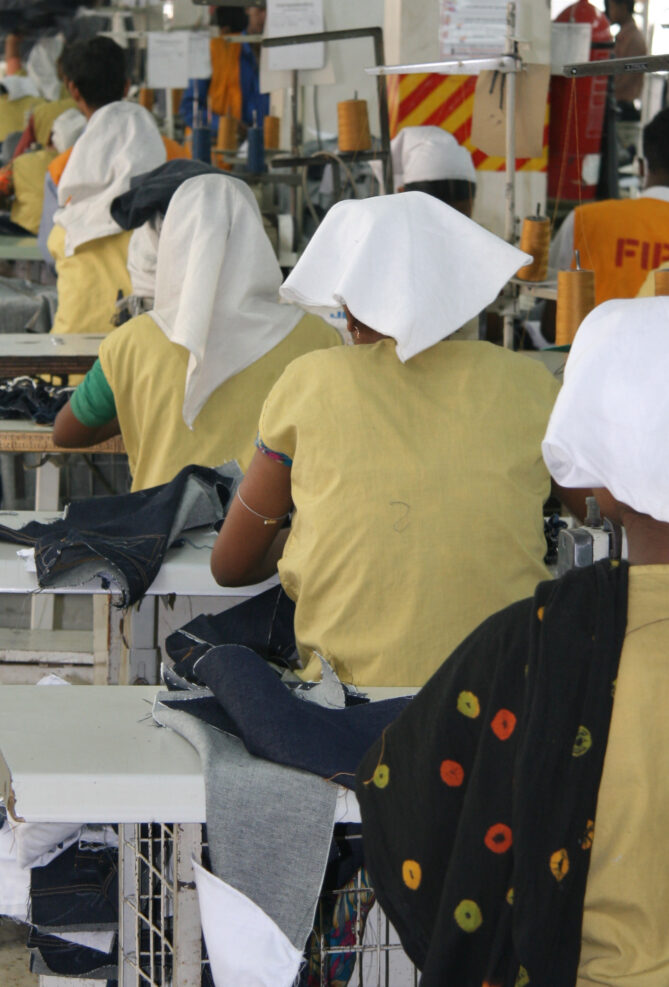
denim-jean-production-stockpack-adobe-stock.jpg
denim jean production

In China, Forced Uyghur Labor Produces Many Fashionable Products

Industries such as fashion and solar panels rely heavily on supplies from detention centers and concentration camps in China

China has been called the “world’s factory.” American companies like Apple, may assemble their tech in the U.S., but the parts are made elsewhere, including Xinjiang, China (Xinjiang Uyghur Autonomous Region). Industries such as fashion and solar panels also rely heavily on Xinjiang for their supply lines. Reports from the Australian Strategic Policy Institute (ASPI) and the Center for Strategic and International Studies in the U.S., as well as testimonials from Uyghurs, show that many such factories in Xinjiang involve the forced labor of Uyghurs in what are called “vocational training schools.” These vocational training schools are more appropriately described as detention centers. In many cases, they are essentially concentration camps. Many Uyghurs are also sent from Xinjiang to other Read More ›
chinese-english-bible-stockpack-adobe-stock.jpg
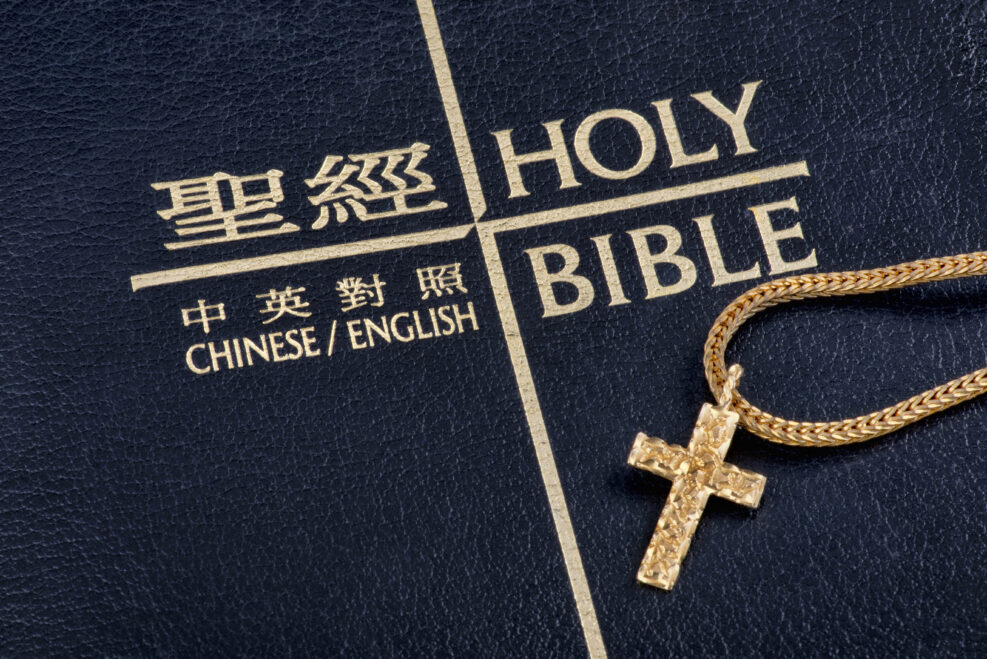
Chinese English Bible.

China’s Door-to-Door Census Now Identifies Religious Believers

Census takers are urged to keep their eyes open for evidence of religious activity

China will complete its seventh census, begun on November 1, on December 10. New features that have prompted concern include: Residents must indicate whether they have family members in Hong Kong, Macau, and Taiwan or if they have any family members outside of the country and those who are over sixty must indicate their state of health (Reuters, November 2, 2020). Some have resisted answering census takers’ questions for fear of losing rights and privileges under the new Social Credit System. But more than that, some seven million census takers go door-to-door, interviewing residents and entering information that goes directly to the government via mobile apps. Bitter Winter talked to several census takers who said they were instructed to pay Read More ›

china-flag-and-praying-patriot-man-with-crossed-hands-holding-cross-hoping-and-wishing-stockpack-adobe-stock.jpg
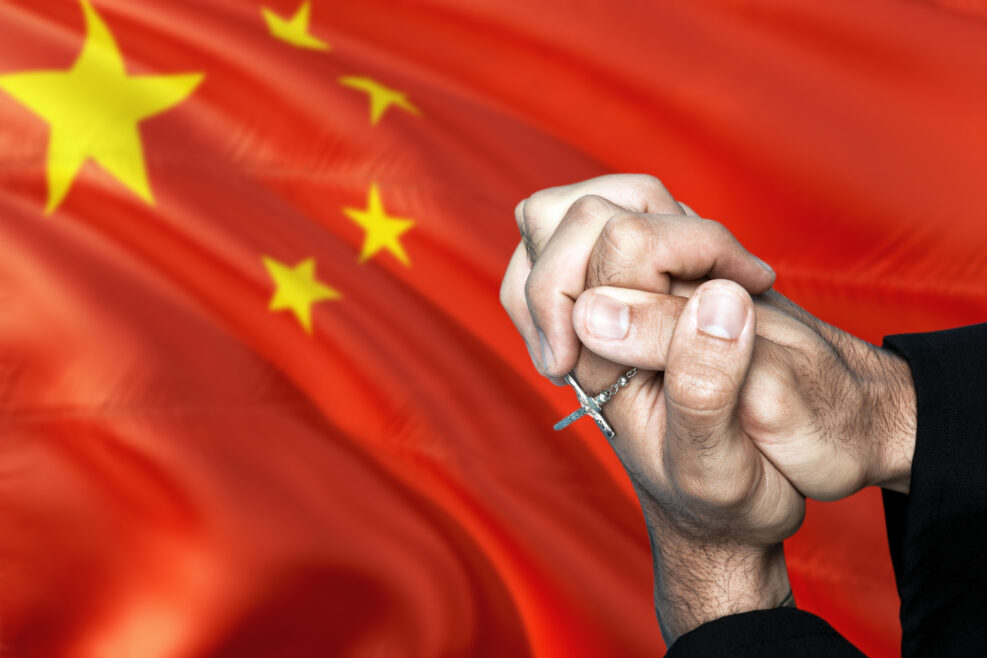
China flag and praying patriot man with crossed hands. Holding cross, hoping and wishing.

How China’s Technocracy Uses the Pandemic to Suppress Religion

The pandemic provided a pretext to install surveillance equipment in churches and surveil believers online

The COVID-19 pandemic has brought out the ways that technology can lead either to greater accessibility or greater oppression. The Chinese Communist Party (CCP) is now using the same technologies that have given many people around the world access to religious materials and church services during the pandemic to forcibly stop religious gatherings and restrict the distribution of religious materials within China. Although the CCP is officially atheist, over 60% of the population adheres to a recognized religion; 30.8% practice Chinese folk religions, 16.6% Buddhism, 7.4% Christianity, 4.2% ethnic religion, and 1.8% Islam. Authentic numbers may be higher, given the risk of punishment for practicing certain religions in China. The Chinese government has persecuted, tortured, and imprisoned Falun Gong members Read More ›