
Mind Matters Natural and Artificial Intelligence News and Analysis

Robert J. Marks

m-b-m-795202-unsplash
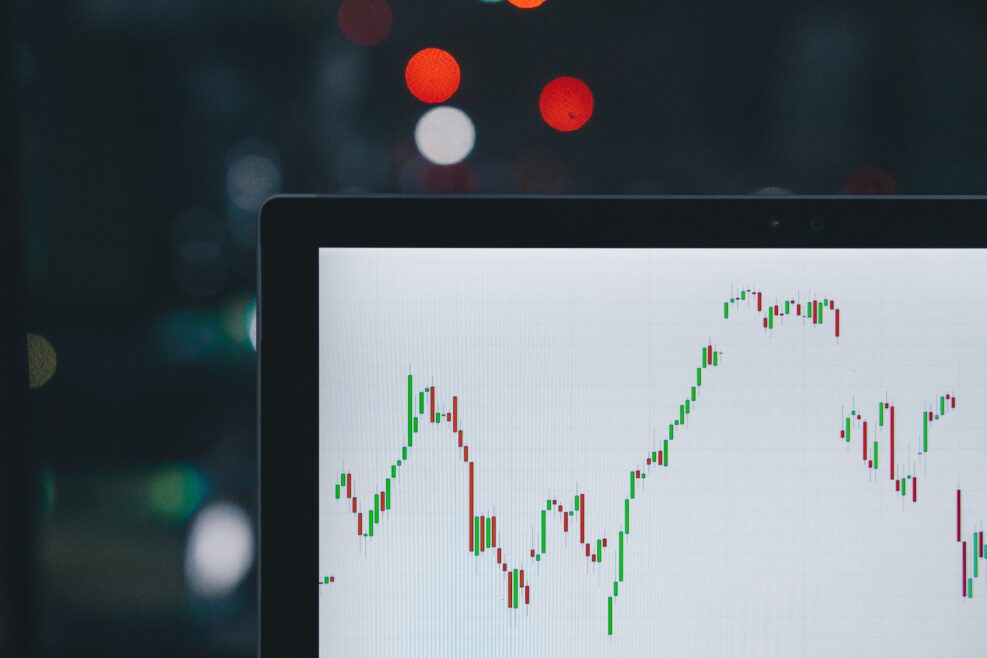
Data graph on monitor showing correlation

Study Shows Eating Raisins Causes Plantar Warts

Sure. Because, if you torture a Big Data enough, it will confess to anything

Enormous data sets compiled by Big Data methods have a higher probability of meaningless correlations than smaller ones compiled by traditional methods. More than ever, common sense is needed. And common sense only comes from programmers writing their own common sense into the software.

Read More ›
jack-b-1197584-unsplash
Light in bokeh effect

Quantum Randomness Gives Nature Free Will

Whether or not quantum randomness explains how our brains work, it may help us create unbreakable encryption codes

Cryptography requires true, unhackable randomness, not just a string of numbers that looks random to us because we don’t know how they are generated. Because the quantum world truly is random, quantum random number generators would truly be random and are a potential solution.

Read More ›
joiarib-morales-uc-762964-unsplash
McDonald's Drive through saying

McDonald’s, Meet McPathogens

What happens when the drive to automate everything meets the Law of Unintended Consequences?

I have a wager with a good friend that the self-order touch screen kiosks at McDonald’s will not last. The kiosks not only take longer to use, but are annoying. The idea of the kiosk may sound good on paper, but is a hassle in practice. And besides…

Read More ›
phad-pichetbovornkul-269226-unsplash
Aerial shot of artists and craters at work

Human Consciousness May Not Be Computable

One model of consciousness would mean that conscious computers are a physical impossibility

As long as computers simply get faster and use more memory, there is no reason to worry about a self-aware Skynet.

Read More ›
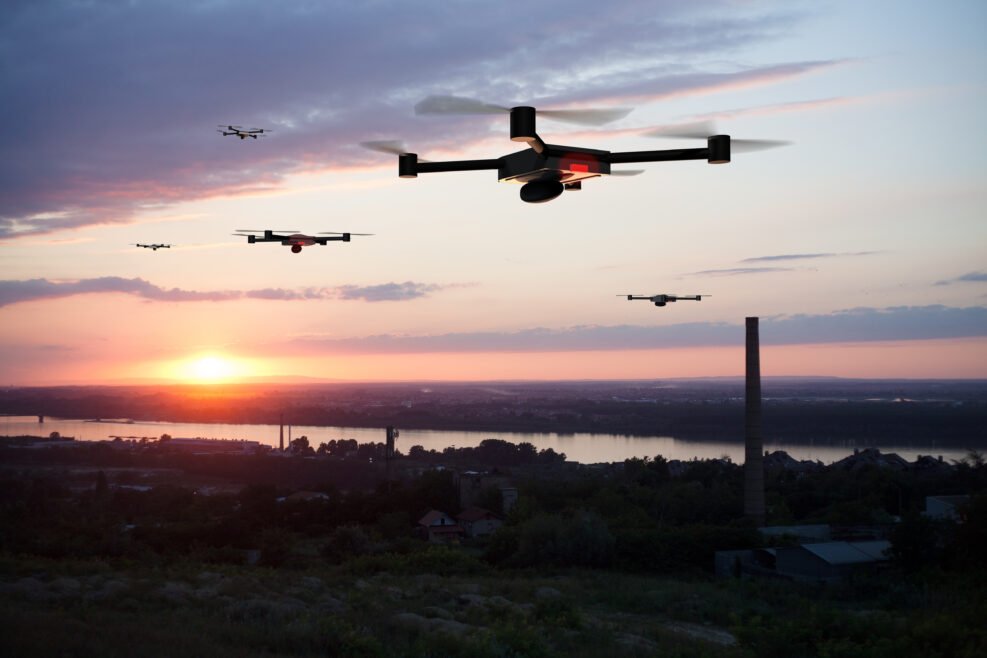
group of drones above the city

Slaughterbots

Is it ethical to develop a swarm of killer AI drones?

For threats like slaughterbots, the answer is the development of newer technology. Like it or not, history is replete with accounts of new military technology replacing old.  Evil, seeking influence, demands a response, so the technology to provide one must be developed.

Read More ›
HAL-like-lights

Could HAL 9000 Ever Be Built?

I say yes. Some reflections on the 50th Year Anniversary of 2001: A Space Odyssey

At one point on the trip from Earth to Jupiter, HAL becomes suspicious that the crew might be sabotaging the mission. HAL then purposely tries to kill all the crew. The most logical explanation for this act is a coding error. HAL was programmed to operate on the basis that the mission took priority over human life.

Read More ›
peter-kent-32354-unsplash

Screenwriters’ Jobs Are Not Threatened by AI

Unless the public starts preferring mishmash to creativity

An AI-generated film is not an altogether new idea. Rule-based expert systems were used to write short plays over a half century ago, in the early 1960’s. Then, as now, don’t expect creativity. That is not what AI does.

Read More ›
Brain research or diagnostic on the digital model in virtual reality. 3d illustration.

AI That Can Read Minds?

Deconstructing AI hype

The source for the claims seems to be a 2018 journal paper, “Real-time classification of auditory sentences using evoked cortical activity in humans.” The carefully described results are indeed significant but what the Daily Mail article didn’t tell you sheds a rather different light on the AI mind reader.

Read More ›
Artificial intelligence and mind backdrop

Why “Mind Matters” Matter

Mind Matters is a podcast and a news and commentary site where “artificial and natural intelligence meet head-on.” That’s a great slogan, but what does it mean? As your host for the podcast part of the site, I thought I’d take advantage of my role to talk you about some of our exciting plans for both the podcast and the online journal (the latter to be edited by science journalist Denyse O’Leary). Here’s a quick run-down: Topics Mind Matters will track the latest developments in applied AI and technology. How will AI continue to augment human performance and abilities? What are the latest innovations of AI? And how does AI affect you? How is AI applied in pricing your admission Read More ›