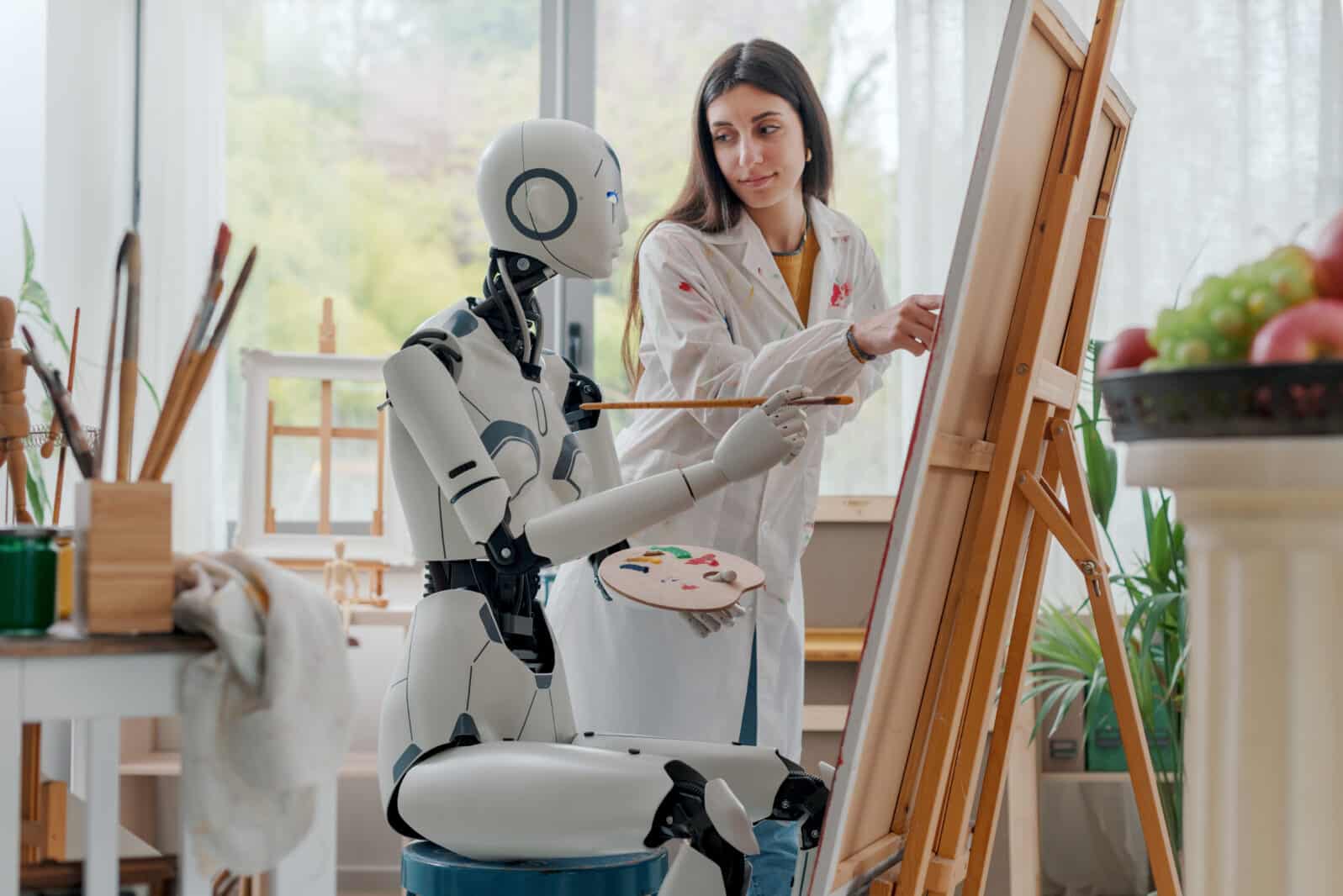
A new theory of consciousness can include AI
According to Robert Lawrence Kuhn, host of Closer to Truth, there are 325 theories of consciousness on offer today. Which just shows how little we even know about the topic.
Meanwhile, what harm in yet another theory? Eric Schwitzgebel of the University of California and Jeremy Pober of the University of Lisbon argue for a Copernican Principle approach to consciousness: We are not unique. There may be 1000 advanced civilizations out there, over time and space.
Science writer Wiliam Hunter explains at the Daily Mail, that Dr. Pober does not think that consciousness need rely on flesh and blood. He is not sure that this extends to silicon chips, so he does not think that AI could be conscious.
But Dr. Schwitzgebel disagrees:
Once the idea that consciousness requires human biology is abandoned, he argues, it becomes harder to justify excluding silicon–based systems solely because they are made of silicon.
Professor Schwitzgebel adds that philosophers have ‘focused too much on whether silicon can duplicate a human brain and not enough on the broader question of what kinds of systems can be conscious.’
“Scientists propose radical new theory of consciousness – and claim it doesn’t depend on flesh and blood,” June 20, 2026
Here’s their new joint paper.
AI consciousness would, of course, mean consciousness in non-living things. But that’s not new. Panpsychism is definitely becoming more common in philosophy and science and it includes consciousness in non-living (inanimate) things.
