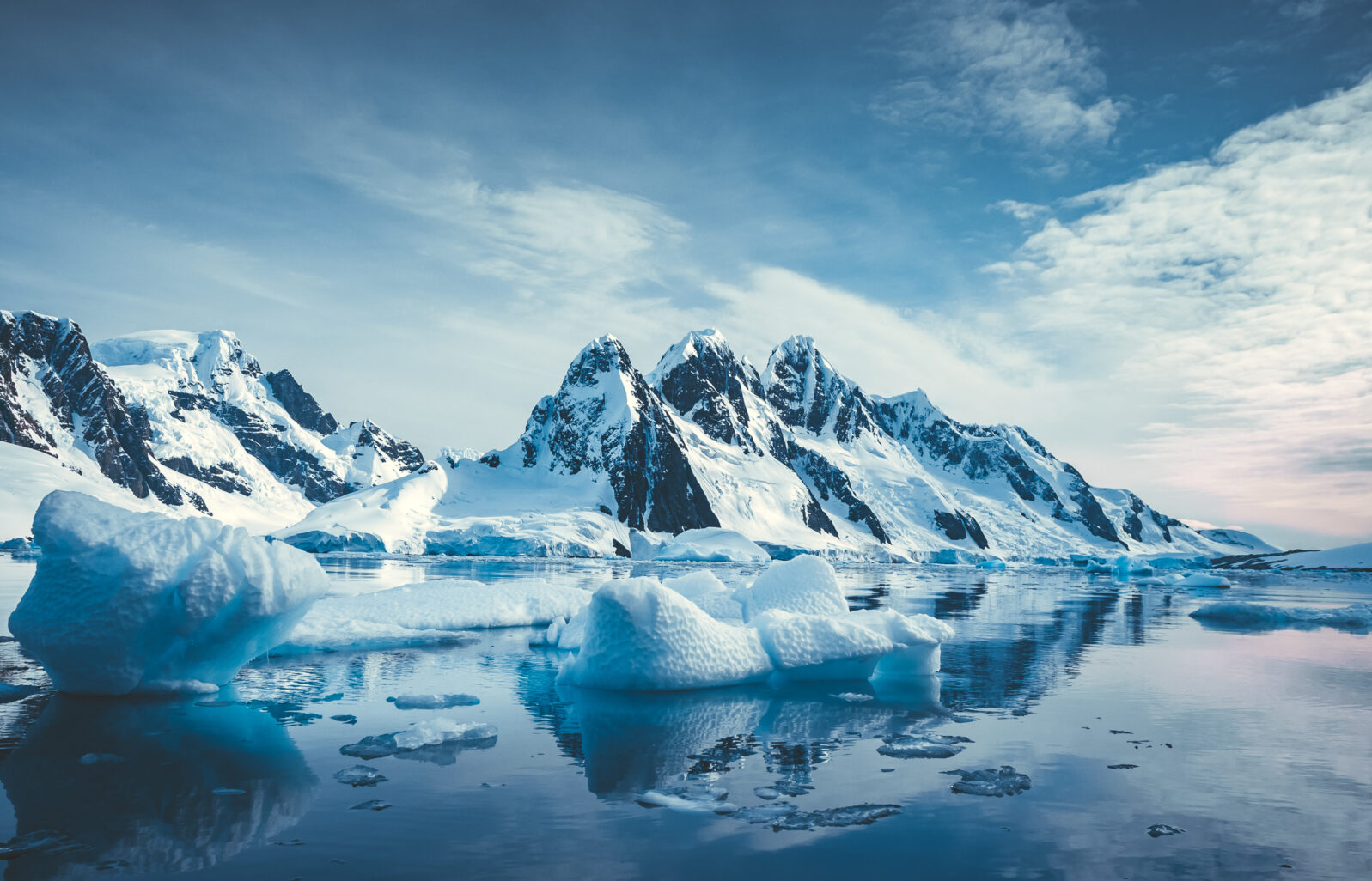
If glaciers have rights, why don’t they have responsibilities?
Over at our sister publication, Science & Culture Today, Wesley J. Smith comments on a new journal article advocating the glacier rights cause — part of the overall movement toward assigning what appear to be human rights to non-living things.
From the open access article:
Glaciers, in particular, are increasingly positioned not merely as passive indicators of climate change but as relational entities that demand ethical and legal consideration. The agency of glaciers means that their material transformation and possible death produce impacts on human beings’ practices and feelings. According to Salim, “more than just shrinking ice, glaciers are more-than-human entities that have relationships with people, affecting and influencing their behaviour”. The field of relational ontology pays attention to non-Western worldviews, in which social personhood and agency extend beyond human beings, meaning that relational worldview is based on the ethics of respect and reciprocity. : The living glacier: Cultural memory, emotional impact, and the right to exist in the Andes
Dupuits E (2026) The living glacier: Cultural memory, emotional impact, and the right to exist in the Andes. PLOS Climate 5(5): e0000932. https://doi.org/10.1371/journal.pclm.0000932
 Image Credit: Maks_Ershov -
 Smith responds:
Nature rights activists are totally committed to their cause. And it isn’t just cranks. Science and medical journals support the concept, National Geographic funds its advocacy, and major universities are beginning to teach the ideology. The UN is considering including nature rights as part of an international treaty. Two glaciers in India have already been declared legal rights bearers!
We can laugh at the craziness. But opponents need to be just as engaged as activists if we are to prevent irrationality from governing environmental policy in the West.
“Climate Science Journal Trumpets Glaciers’“Right to Exist”,” June 2, 2026
We could start by asking some questions, couldn’t we? If nature or glaciers are persons who have rights, do they not also have responsibilities? Should we punish them for neglect? Should we punish nature if the glaciers melt away from natural causes? Should we reward them if they do the right things? How?
As Smith reports, this sort of thing is taken seriously at universities. At The College Fix: “In 2016, a University of Oregon dean released a paper using ‘feminist glaciology framework,’ as The College Fix previously reported. The paper asked what gender glaciers are.” Here’s the paper (not open access).
Some of us think that the main concern with glacier rights is the inevitable erosion (so to speak) of what human rights mean. Ungrounded in reality, they come to mean everything, anything, and ultimately, nothing.
