Culture change: Darwin’s rival Lamarck is back
At the Telegraph, Education Editor Albert Tait notes a significant change in evolution theory: the idea that Jean-Baptiste Lamarck (1744–1829) was right about some aspects of evolution is being taken seriously.
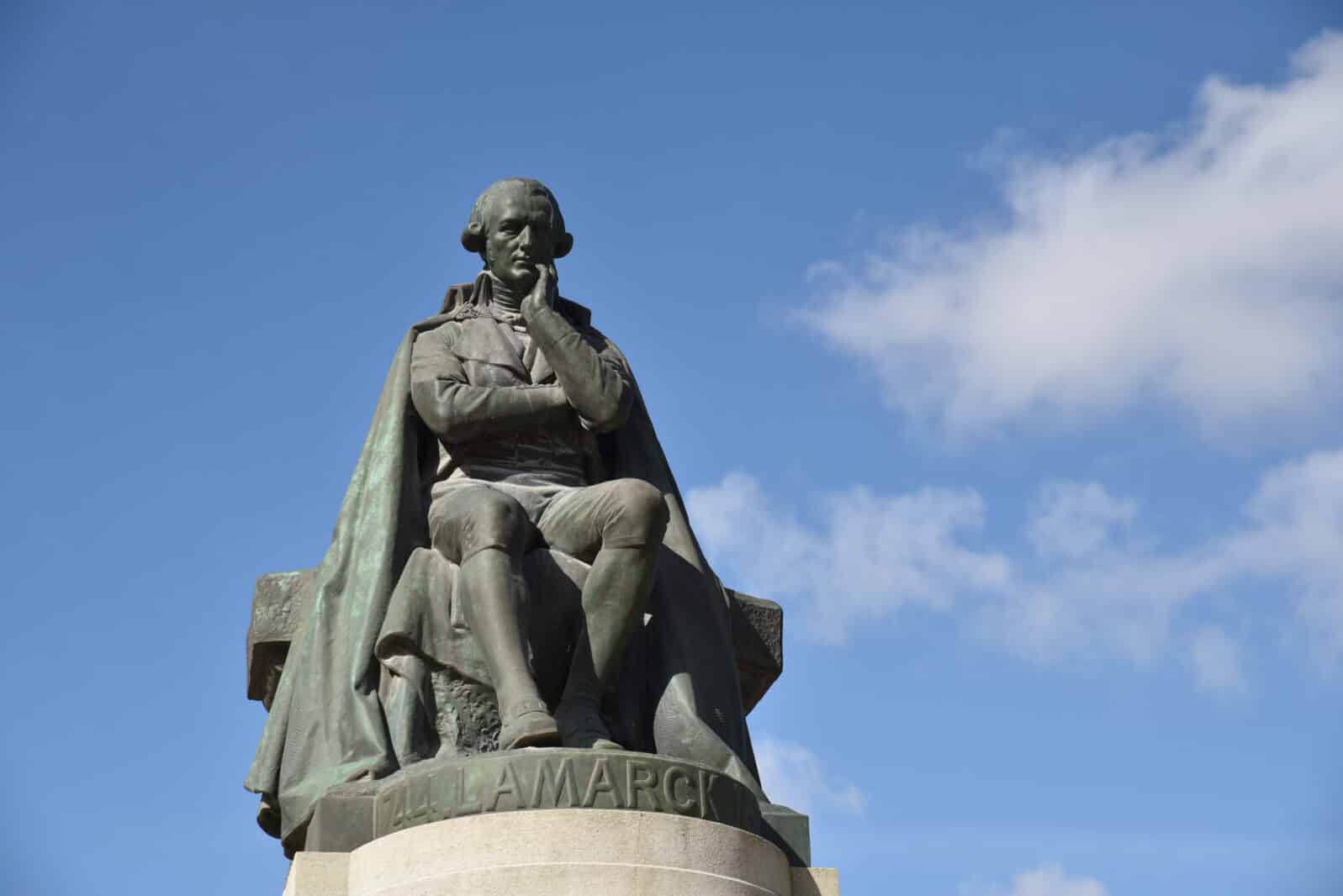
Lamarck argued that life forms could pass on to their offspring characteristics that they had acquired during their lifetimes. He has been ridiculed ever since. Darwin’s theory of natural selection — that slight differences between life forms resulted in differing survival and reproduction rates, and given enough time, accounted for evolution — has been, for a long time, the only accepted one. Lamarck was, as Britannica puts it, “thoroughly discredited” and he died in poverty (though he did rate a statue in Paris).
But then it turned out …
Britannica admits, however, that epigenetics “has since offered an explanation for how certain traits developed during an organism’s lifetime can be passed along to its offspring.”
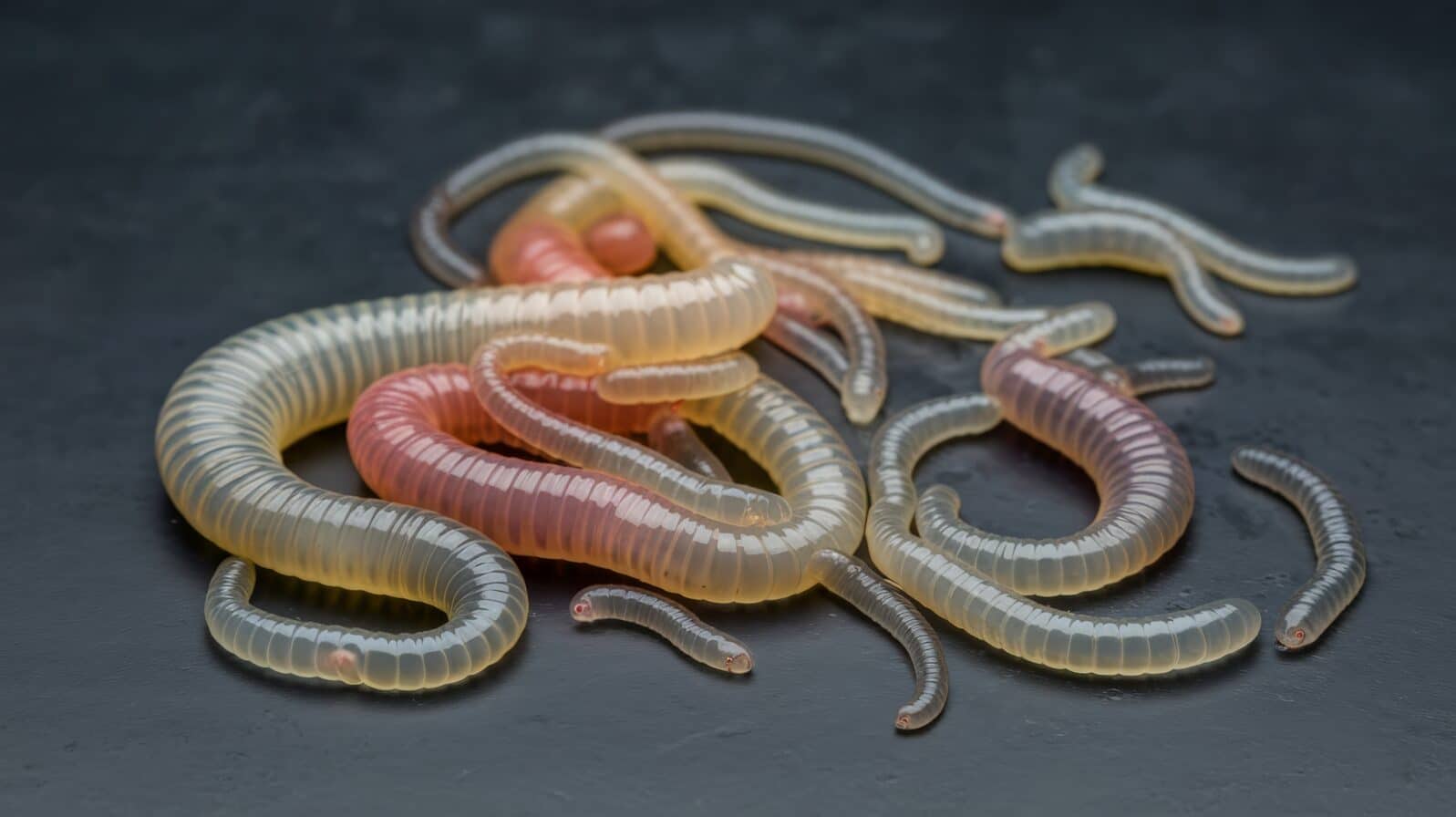 Image Credit: Alexandru -
 In fact, there is evidence that Lamarck was right, at least about some life forms. Evolutionary biologist Pim Edelaar, at University Pablo de Olavide in Spain, offers at The Conversation,
Take, for example, the small worm C elegans. When an adult worm is exposed to external stimuli such as viral or bacterial infections, starvation, or stressful temperatures, it can adapt to cope better over time. And, surprisingly, its subsequent offspring also cope better from the moment they are born – as do successive generations.
It turns out that this occurs via the inheritance of DNA-like molecules called small RNAs (ribonucleic acids). When adult worms experience stress, they produce these RNAs to fine-tune the activity of their genes to mount an effective response. When the worms reproduce, specific proteins transfer these small RNAs to their eggs, meaning the offspring are born with the benefits they provide.
There are now dozens if not hundreds of studies showing similar effects in all sorts of species, from bacteria and plants to animals. When rice plants are exposed to cold, for instance, they develop a seemingly permanent resistance by adding chemical tags to their genes. This has enabled them to spread northward from their tropical origins.
“Updating Darwin: biologists are returning to an older theory to explain anomalies in evolution,” July 28, 2026
Tait quotes another professor, Richard Buggs, for a reaction:
Prof Richard Buggs, a professor of evolutionary genomics at Queen Mary University of London, said there was a “growing acceptance” within the evolutionary biology community of evidence to support Lamarckism.
“I guess this may come as a surprise to many members of the public as school biology textbooks often mention Lamarckism as a failed evolutionary theory,” he said.
“But there are many recent scientific papers showing this happening, and there have been major conferences that have discussed this… I think it would be fair to say that many school textbooks are out of date on this issue.”
“Why Darwin’s discredited rival may be proved right 200 years later,” August 1, 2026
The story is still developing. It is easier to understand if we keep in mind how much modern secular culture depended on Darwinism in particular as an origins story and strove to eliminate all rivals.
