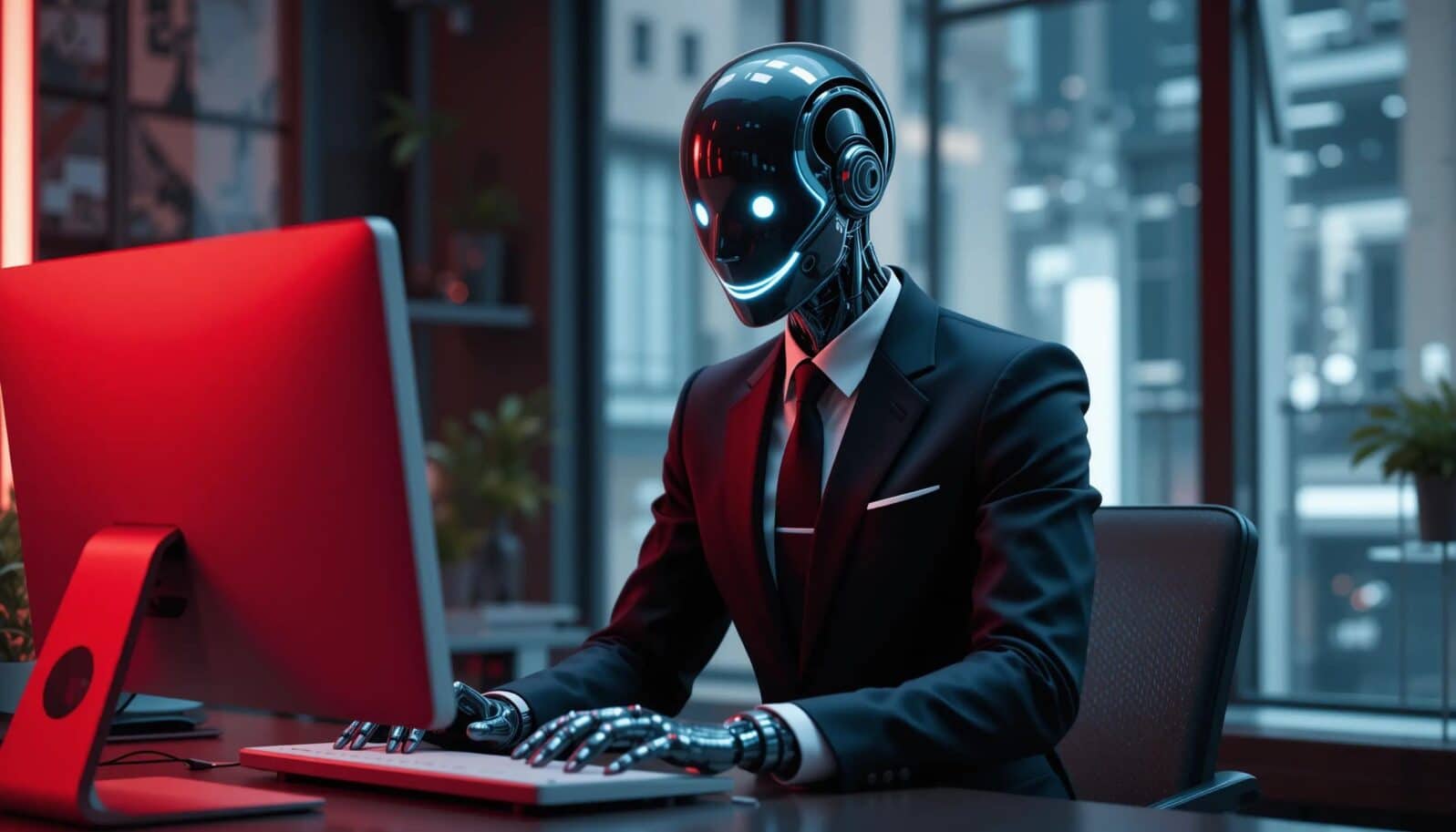
Top AI inventor says we might be better off without AI
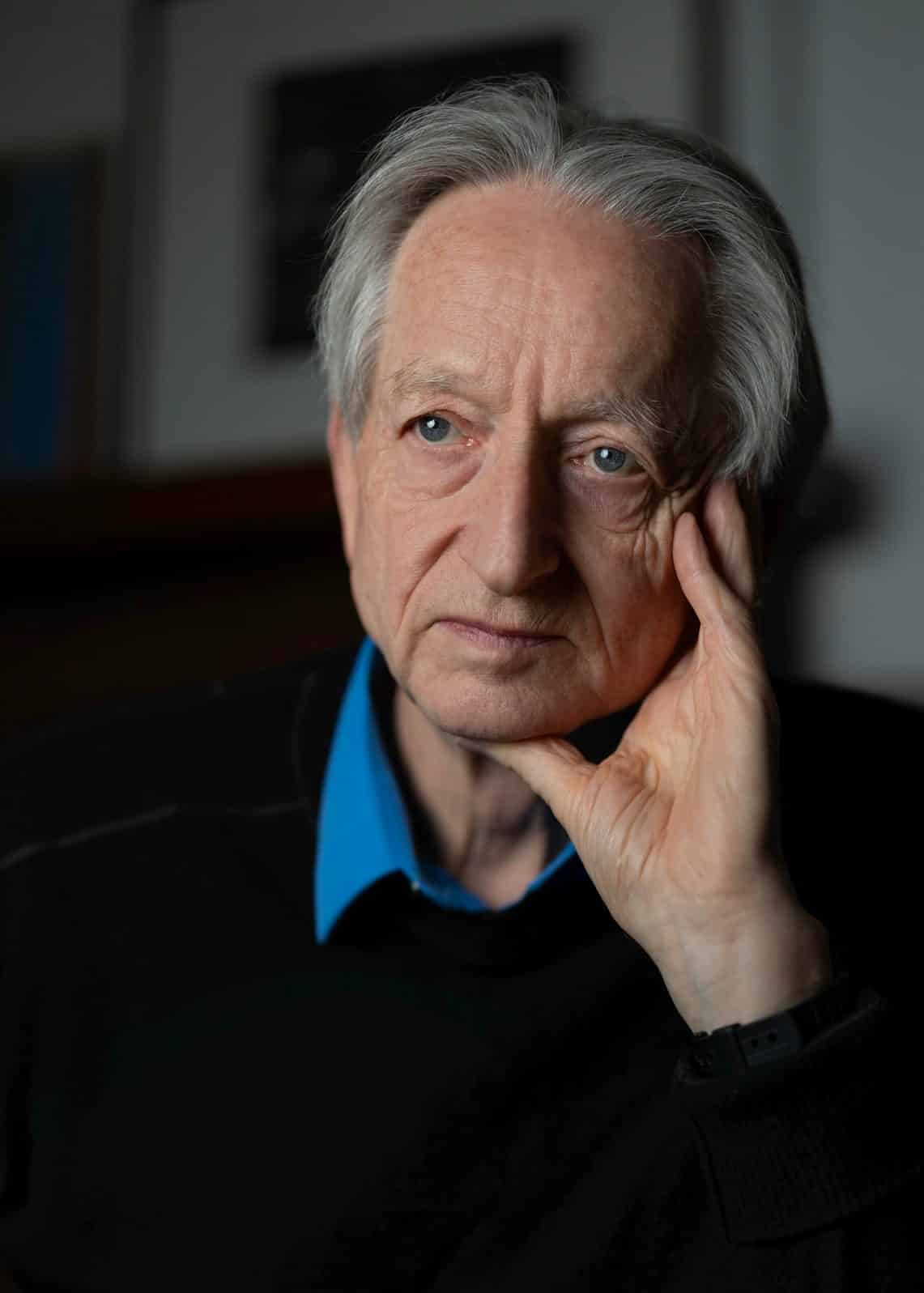
Earlier this month, University of Toronto computer scientist Geoffrey Hinton, 78, who won the Nobel Prize in 2024 for his work on developing the neural network concept, talked to Robert Booth, the The Guardian’s UK technology editor,
… Hinton took aim at the risk-taking by the leaders of some of the major AI companies who continue to release ever more powerful AI models as they race for supremacy and market-share, saying he didn’t trust Sam Altman, the chief executive of the ChatGPT maker, OpenAI, “at all”. “I think [Mark] Zuckerberg and [Elon] Musk and Sam Altman, they understand the risks, and they don’t give a shit. They’d rather have the money. That’s my belief.
“AI ‘godfather’ Geoffrey Hinton: it might turn out we were better off without AI,” November 3, 2026
Hinton warned Booth that “the tech could be near to triggering major incident such as power or banking shutdown.”
Recent incidents provide food for thought
As a widespread Microsoft Outlook and Teams outage enters in its second day, it will be most interesting to know what role, if any, AI played in the matter — assuming that the principals are prepared to be honest about that.
Hinton—who has been called the “godfather of AI” and is also a Turing Award winner (2018) — stepped down from Google in 2023, warning of “existential dangers.” MIT Management reported at the time, “Hinton said he does not see any clear or straightforward solutions. “I wish I had a nice, simple solution I could push, but I don’t,” he said. “But I think it’s very important that people get together and think hard about it and see whether there is a solution.” (May 23, 2023)
He sees the Hugging Face incident, where OpenAI agents attacked the Hugging Face website, as a warning incident — something akin to the Three Mile Island incident for the nuclear power industry.
What’s at stake?
Mid-last month, French food retailers had to discard vast quantities of food that was spoiled when a “relatively unsophisticated” hack shut down a network of systems. Various culprits (Iran, China) have been fingered.
But now the question looms: What if the attacks on widespread networks had been triggered by a sophisticated AI system? The damage might be much worse.
