COSM 2026: Kindness, Free Will, and the Good Samaritan
Gaurav Suri ends The Emergent Mind with a plea for kindness. The final preview of our COSM panel asks what that plea rests onNote: Myers will be speaking at COSM 2026: Reality Check, November 18–20, along with many distinguished AI pros, and you can still get a ticket here. It starts tomorrow. This article is the sixth in a series.
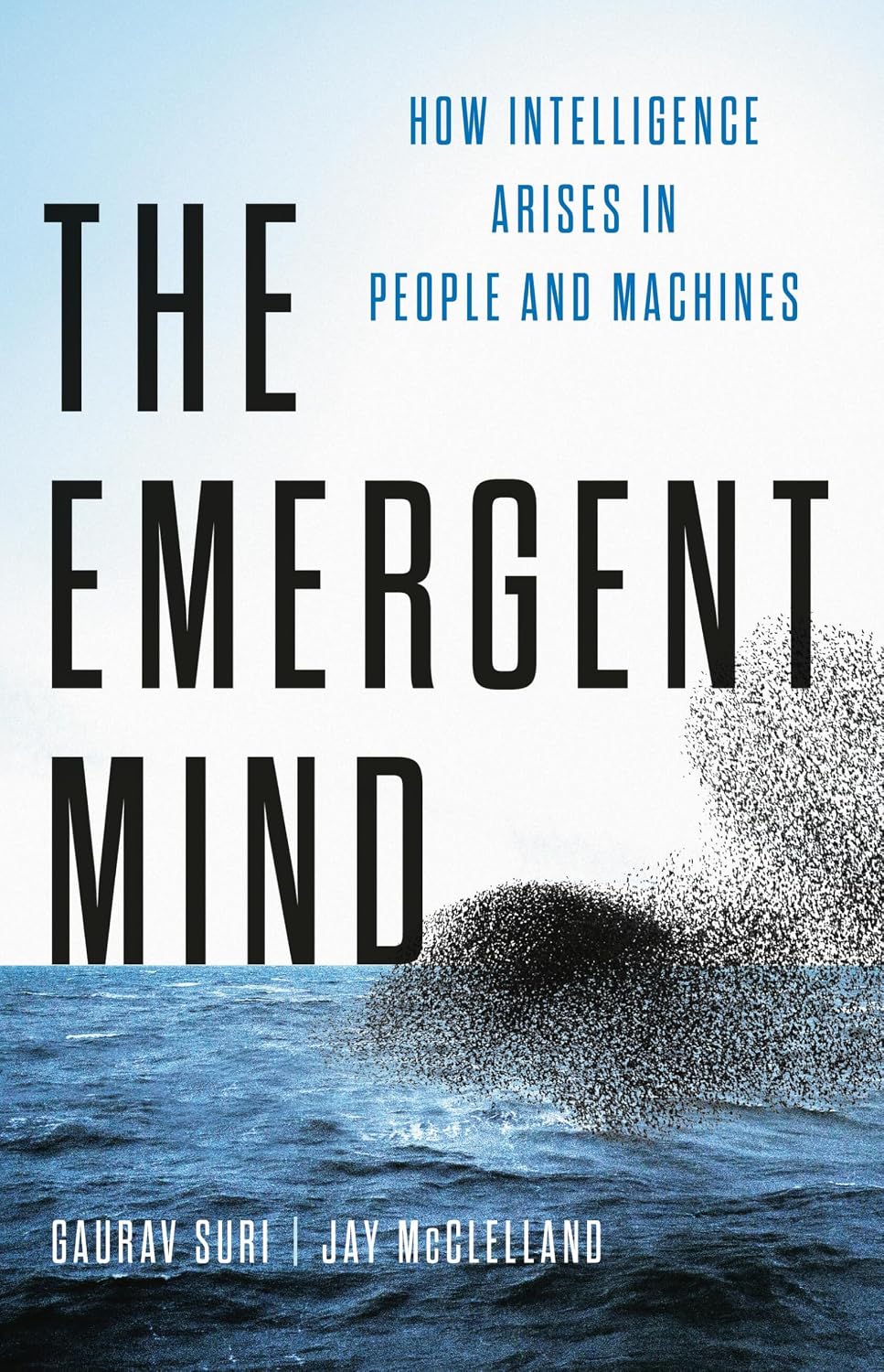 Published October 21, 2025 by Basic Books.
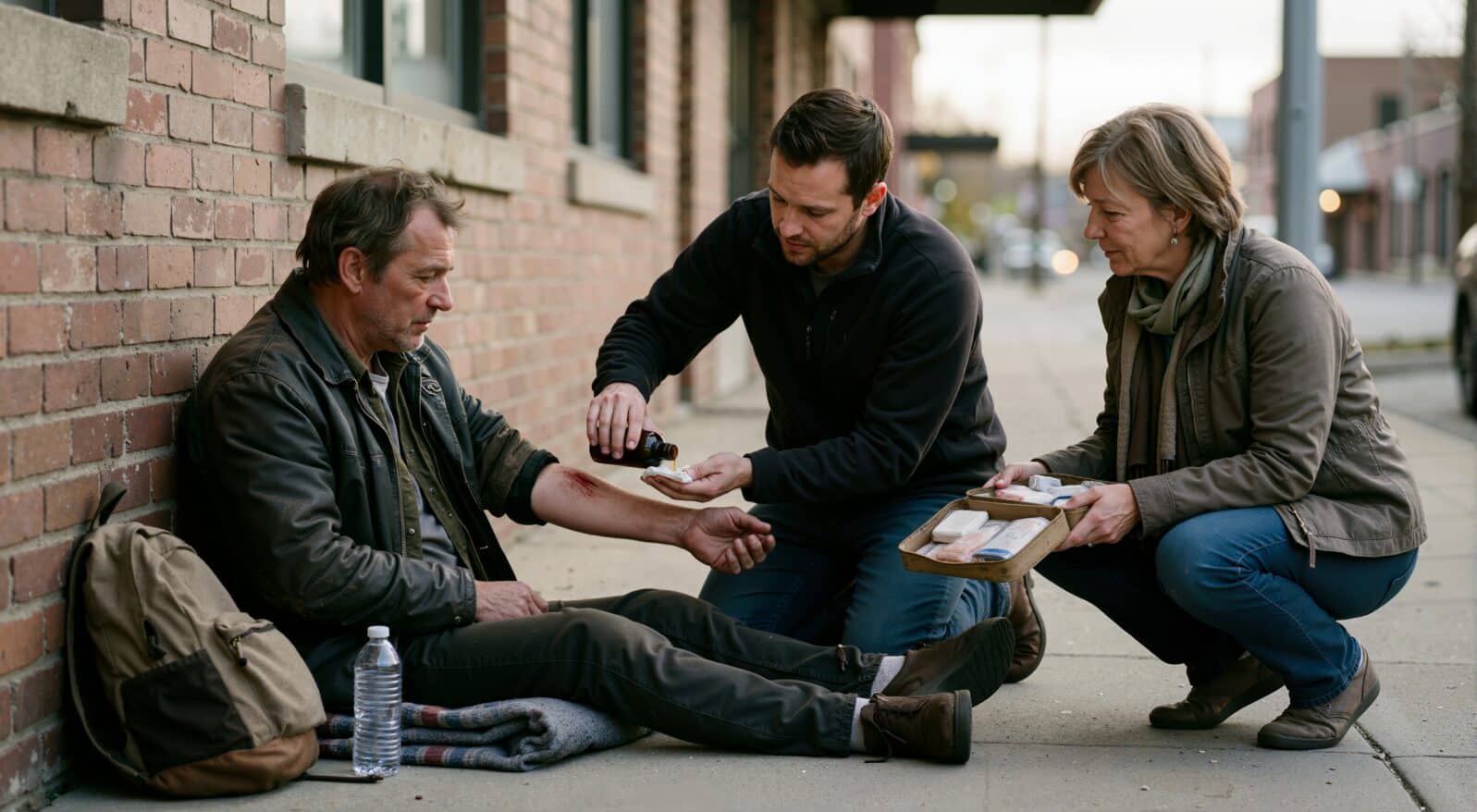
In 1973, psychologists John Darley and Daniel Batson ran one of the most memorable experiments in social psychology. They asked students at Princeton Theological Seminary to record a short talk on the parable of the Good Samaritan, the story of a traveler who stops to help a beaten stranger after a priest and a Levite pass him by. On the way to the recording, each student met a man slumped in a doorway, apparently in distress. Some students had been told they were early. Others were told they were already late.
The result has been retold for half a century. Of the students with time to spare, 63 percent stopped to help. Of those in a hurry, only 10 percent did. (A middle group, who were told they had just enough time, fell in between.)
In other words, most students in the second group hurried past a man in need on their way to talk about the duty to help a man in need.
Suri’s Lesson
Gaurav Suri and his co-author Jay McClelland use the experiment to challenge a common intuition: that the world divides into kind people and selfish people. If character were the whole story, the helping rates in the two groups should have been close. Instead, a small change in circumstance made a large difference. Our actions, they argue, often owe more to our situation than to some fixed inner essence.
From there they draw a humane conclusion. Every person’s mind emerges from the same basic principles, and each of us responds to inputs we didn’t choose. So we may focus too much on supposed differences between people and too little on their circumstances. Since we are all, as they put it, “natural systems unfolding within our particular constraints,” perhaps “a little more kindness is in order.” It is a generous way to end a book, and few would argue with the conclusion.
Where Does the “Ought” Come From?
Still, the conclusion and the premise sit a little uneasily together. That we are natural systems shaped by circumstance is offered as a description. That we ought to be kind is a moral claim. Why does the first lead to the second rather than to indifference, or to managing one another the way we tune any other system?
The parable the seminarians were preparing to discuss answers that question in its own terms. The stranger on the road deserves help because of who he is, and the hearer is told to go and do likewise. Suri’s account has room for neither a neighbor’s worth nor a command. Elsewhere in the book, he grants that moral principles we live by “may or may not be objectively true.” That leaves two obvious questions: what would make one of them true, and is “Be kind” among those that are?
Praise, Blame and Free Will
Suri’s case for kindness also echoes another recent book. In Determined (2023), Stanford neuroscientist Robert Sapolsky argues that free will is an illusion and that we should therefore stop blaming people for what they do. Sapolsky, fittingly, endorsed The Emergent Mind (2025).
If no one could not have done otherwise, blame does seem harder to justify. But the same reasoning cuts the other way. The Samaritan, too, was a system responding to his inputs. Does he deserve any credit for stopping? Does anyone deserve credit for choosing kindness, including the reader Suri hopes to persuade? Whether his framework leaves room for any kind of freedom, and what kind, is one of the questions I most want to hear him answer.
Situation or Character?
There is one more angle, and it is where I will turn to philosopher Jay Richards first. Does the experiment refute the traditional picture of human character? Does it confirm something that picture already expected?
The Christian tradition has never assumed that good intentions guarantee good actions. “The spirit indeed is willing,” Jesus tells his sleeping disciples, “but the flesh is weak.” On that view, a hurried seminarian walking past a stranger is not evidence that character is a myth. It is evidence that character is hard, and that virtue has to be practiced until it holds under pressure.
It is worth noting, too, what the experiment did not find. Most of the unhurried students stopped. And the subject of their talk made no measurable difference, which says something sobering about the gap between knowing the right thing and doing it.
What to Listen For
- From “is” to “ought.” Does “we are natural systems” support kindness, or only describe us?
- Freedom. Is there free will in Suri’s framework? If not, does praise for the Samaritan vanish along with blame?
- Character. Is the experiment a problem for the traditional view of persons, or a confirmation of it?
- Truth. If moral claims “may or may not be objectively true,” what would make a claim true?
This is the last of six previews. I hope you have enjoyed the series on this vitally important topic in the age of AI. Over the series, we have asked what makes a mind, whether thought is just neurons talking, whether consciousness can be explained, whether anyone is at home in the machine, and why there are minds at all. Gaurav Suri and Jay Richards will take up all of it in person.
Join us at COSM 2026: Reality Check for the What Makes a Mind? session in Scottsdale, November 18–20; our panel is now on Friday, November 20, at 10 a.m. Register. Venue. Agenda. Speakers.