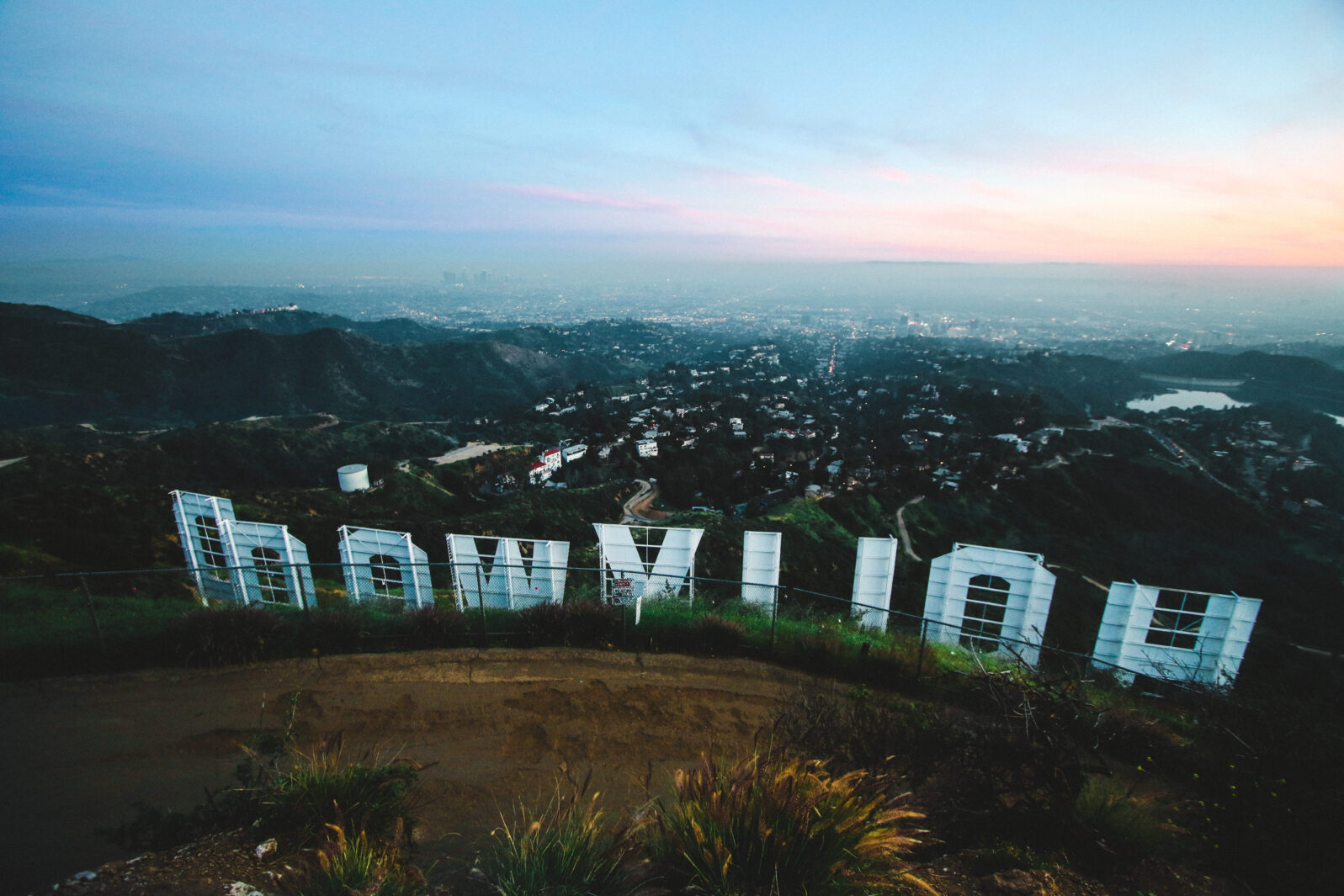
Yes, Hollywood’s on the way out but not for the reason many think
At the Spectator, Peachy Keenan surveys Hollywood’s dismal financial scene and offers,
Twenty years ago there would be a few huge event movies and a few quirky indies per year, but the bulk of the moviemaking was mid-tier talkers, mid-budget dramas, rom-coms and comedies. Those have virtually vanished. All the studio eggs are now in the baskets of the few event films and handful of indies they pin their hopes on at film festivals.
“The movie industry is broken,” July 23, 2026
Yes. Don’t be fooled by the success of blockbuster cultural events like The Odyssey (2026). These films matter but they are not the breadbasket and cannot by themselves save the industry.
Netflix shares in the woe, according to Ted Gioia at The Honest Broker:
The disappointing earnings call yesterday is just the tip of the iceberg. The company’s reluctance to provide viewership numbers is an even more revealing sign of how bad things really are.
Netflix once bragged regularly about its growing user base. But yesterday they refused to share updated viewership numbers until 2027!
“The Collapse at Netflix Signals the End of Audience Capture, July 17, 2026
Incidentally, Gioia notes that even Mark Zuckerberg’s Meta (Facebook and Instagram) are losing audience.
Are cultural attitudes to blame? Or new technologies?
Keenan argues that the problem is cultural attitudes:
A longtime creative executive at a large Hollywood production company broke it down for me. “Here’s the biggest problem, and I see it and hear it literally on a daily basis,” she said. “Most of the agents, managers, studio and network execs are liberal, ultra-woke LGBTQ types, and enormous nerds. In every meeting, everything is gay or BIPOC [Black, Indigenous, People of Color]. I feel like I’m taking crazy pills sometimes. They have absolutely awful taste, so when it comes time to push new projects, they make the worst picks. If Schwarzenegger or Stallone came around today, none of their classic 1980s movies would ever get made. ”Is broken,”
But wait. Hollywood has always been left of center. If that’s now affecting the bottom line, it’s because something else has changed in the meantime.
That something is probably new technologies. At Analytics Insight, Asha Kiran Kumar points out several changes that must necessarily matter, including
VFX Democratization: Until recently, only the biggest studios with $100 million budgets had the power to produce truly high-end visual effects. That exclusivity is rapidly disappearing. In markets like India, the cost of VFX for large productions has reportedly decreased by nearly 30%, opening the doors for a new wave of creators ready to enter visually driven genres.
“Will AI Change the Filmmaking Industry Forever?”, November 25, 2025
Add to that the growth of commercially viable non-pirated AI representations of popular celebrities. For example:
Voice actors and background performers are now negotiating “synthetic performance” rights. For example, a voice actor might license their voice for a video game’s NPC dialogue while strictly prohibiting its use in other media, a level of granular control that didn’t exist before AI. “Change the Filmmaking Industry“
Silicon Valley and other AI-driven creative centers are just as Woke as Hollywood. But if they are where the action is, they probably know enough to stay in touch with their audiences. It is a symptom, not a cause, of Hollywood’s decline if it no longer knows that.
