A Microsoft exec responds to students booing tech
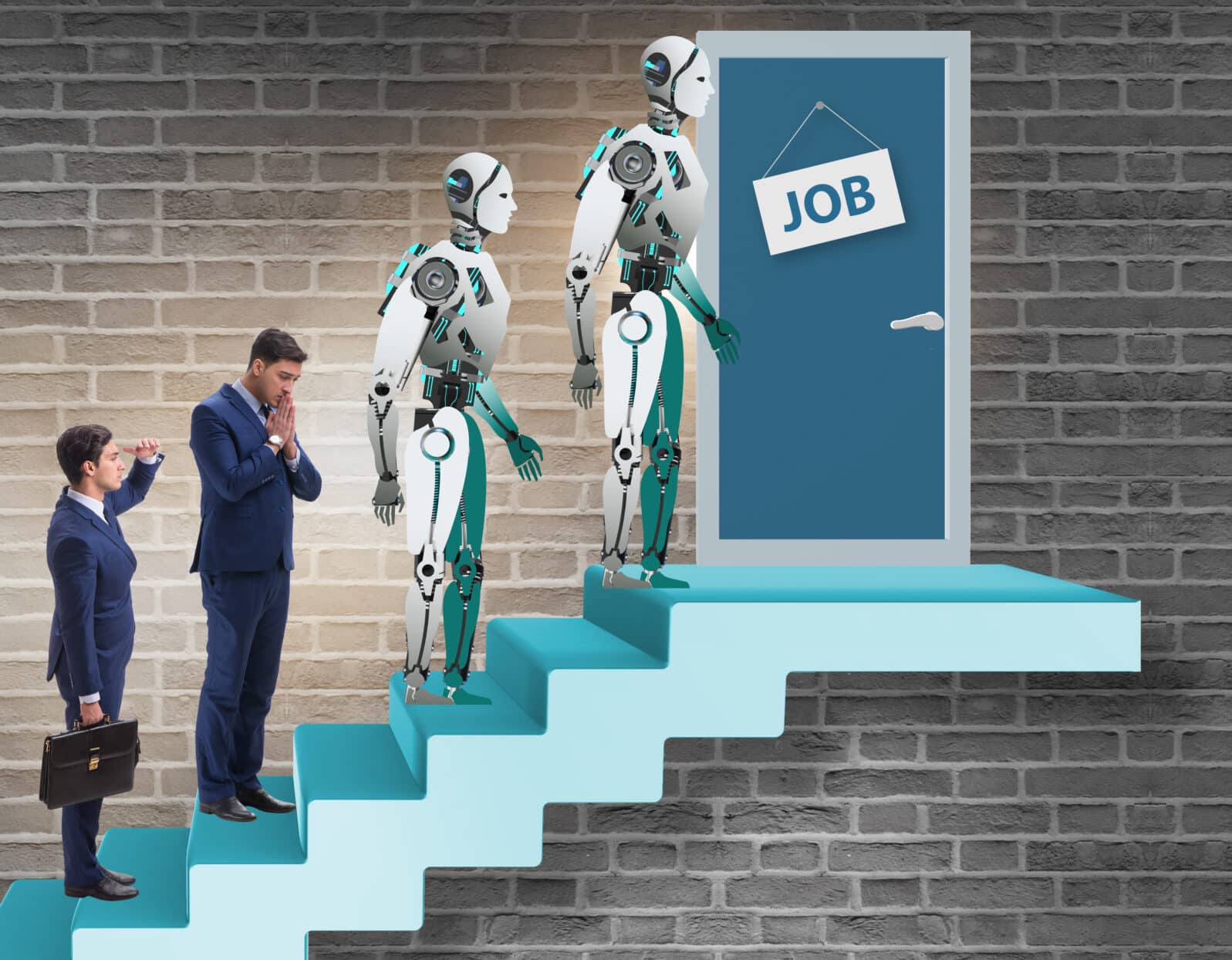
Last month, Peter Biles reported here that at some graduations, speakers praising AI got booed off the stage. He wondered if “at least a healthy portion of today’s college kids are disillusioned with AI and actually don’t want its overbearing presence in their lives.”
The Valley has noticed.
At Gizmodo, AJ Dellinger tells us, Microsoft veep Brad Smith responded with an essay admonishing the students, essentially, that they are Luddites, not understanding how new technology will change everything and they need to smarten up and keep up.
Dellinger, a tech writer, sees the situation differently.
Even as he acknowledged the challenges 20-somethings face as they enter an extremely bad job market, calling it a “perfect storm,” his final message was effectively to not fight the waves. “Constant change has taught you how to adapt quickly. As AI reshapes how we work, you don’t need to unlearn decades of habits the way some of us do. You are better equipped to move forward,” he wrote. “Technology will change, but you can stand firmly and speak loudly for values that are timeless. Agency. Ambition. Dignity. All fulfilled through work and technology that gives us purpose.”
Basically: “We hear you. We aren’t going to do anything to address any of your concerns, but don’t you feel heard? And isn’t that all you actually want?” Perhaps a better piece of advice for the graduating class of 2026: Organize. (June 10, 2026)
If you follow the link on the last word in Dellinger’s comment, Organize, it leads to a May 26 story advocating unionization for tech workers. There, he says,
Unions in tech are rare (to be fair, they’re unfortunately rare everywhere). And while their absence is often attributed to the big compensation packages and “entrepreneurial spirit” that define working in the Valley, it’s probably more attributable to the fact that tech firms are extremely aggressive in sniffing out organizing efforts and carrying out union-busting tactics.
Despite that, unions are springing up in the tech sector. But is the 1930s strategy of unionization still the right one nearly a century later? What if unionized jobs are then targeted for automation as a result?
At all events, it should be an interesting few decades.
