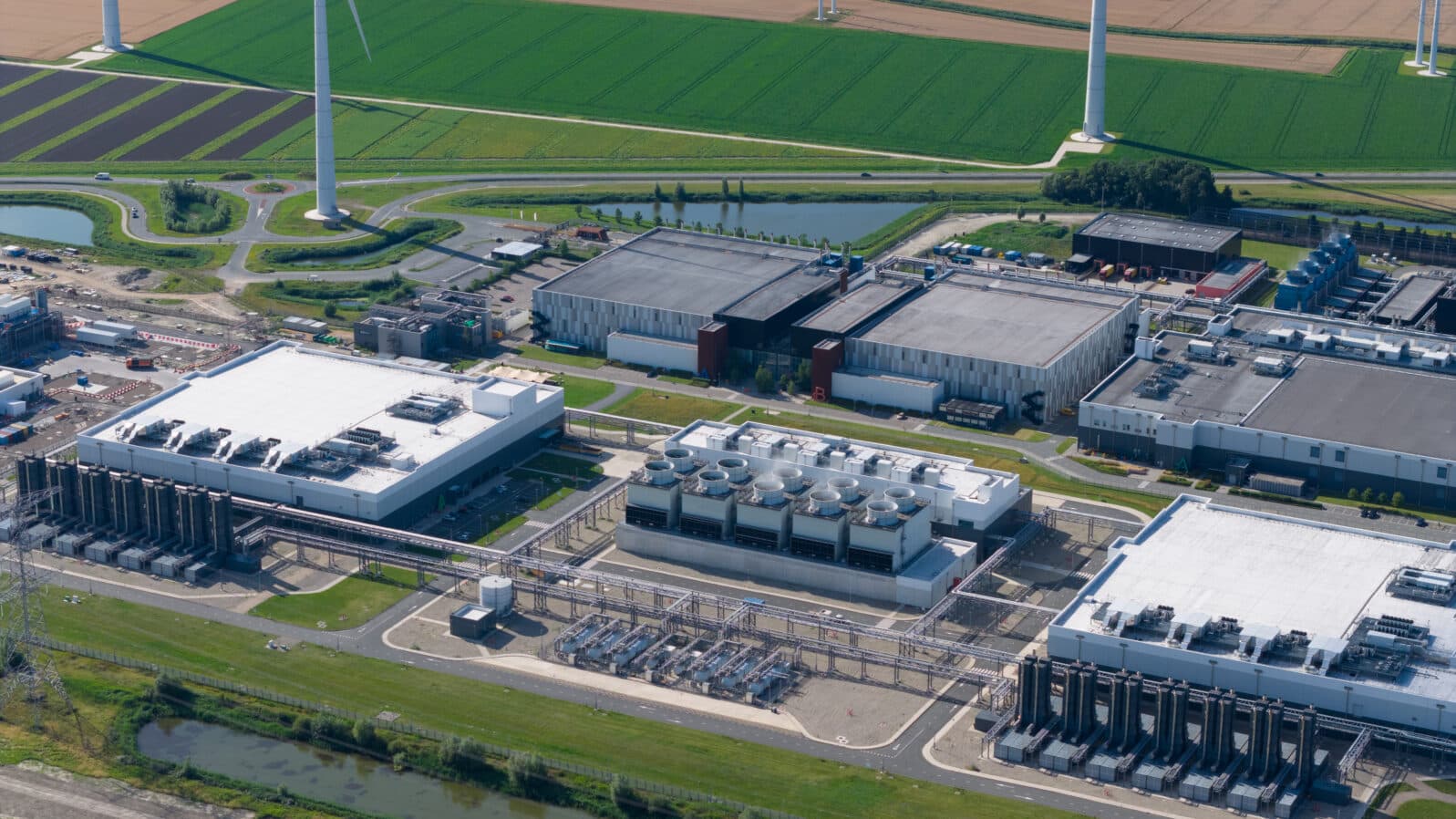
Big Tech Data Centers Are the New Big Hate
The growing hostility is based on environment and employment concerns and cuts across party linesDwarfing climate change, it seems. At the Spectator (US edition), Robert Bryce puts some numbers to the hostility:
I’ve been a reporter for four decades. And over the past 16 years, I have been closely tracking the global backlash against Big Solar and Big Wind. I have documented that opposition in the Renewable Rejection Database, which now includes more than 1,300 entries from around the world.
But I’ve never seen anything like the raging rebellion against data centers and AI. The numbers are gobsmacking. In the first seven months of 2026, I have documented 274 bans, rejections, restrictions or moratoriums on data centers in the US, all listed in the Data Center Rejection Database. In June alone, I documented 74 rejections. For comparison, there were 49 such rejections in all of 2025 and just nine in 2024.
“The rebellion against data centers is growing,” August 17, 2026 issue
Across party lines
AI analyst Gary Marcus notes the same thing at Marcus on AI, quoting an Annenberg Public Policy poll from the University of Pennsylvania (August 11, 2026):
Opposition to local data centers rose 12 points over four months: Three in five Americans (61%) now somewhat or strongly oppose the construction of new data centers in their area, up from 49% in the survey ending in March.
“The one issue unifying the American public,” August 11, 2026
He predicted last year that “Public backlash against AI will so be strong by 2028 that anti-AI sentiment will probably be a major factor in the 2028 US Presidential election.”
Bryce and Annenberg also note something else: The hostility cuts across the left–right divide.
Bryce senses a cause: “I believe the biggest issues are voters’ concerns about water and power, distrust, or outright hatred, of Big Tech, fear of what AI might mean for jobs and rage at Silicon Valley oligarchs and their enormous fortunes.”
Opponents are also concerned about noise pollution. And, in a classic bind, Big Tech’s efforts at damage control may only be fueling the controversy. As Bryce puts it, “If you are explaining, you’re losing.”
Is there anything to be said for data centers?
At C2C Journal, Canadian business leader Gwyn Morgan risks making the case that they create jobs:
There’s a pattern emerging with AI: what it gives with one hand it takes away with the other. On the one hand is the gusher of high-paying AI jobs, typically in rural areas, created by the AI data centre development boom. Constructing a gigawatt-scale data centre requires up to 5,000 workers. That’s equivalent to a major oil sands or LNG export facility, though the development cycle is shorter. While operating the completed centre requires “only” about 200 workers, this is normal. It takes far fewer people to run a natural gas plant, oilwell site, LNG export terminal or even a school than it takes to build one.
“The Hands-On Future: Skilled Trades, Data Centres and Canada’s Big AI Opportunity,” June 23, 2026
He admits that jobs in computer programming are being lost to AI. But that doesn’t mean that jobs are down all over:
One broad area where there are already major job shortages is the skilled trades. These are the people you call when you need something built, fixed, maintained, renovated or expanded, including electricians, plumbers, carpenters, welders, auto mechanics and many more. To take a U.S. example, the construction sector there estimates that already this year it will fall short nearly 350,000 workers. But talk about opportunity for young people! “Big AI Opportunity”
The actual policy choices
Rebel News’s Ezra Levant took the temperature at an anti-data center rally near Edmonton, Alberta, Canada, where a massive $13-billion dollar facility is proposed.
He comments,
The demand for computer processing is so huge these days — think of streaming a Netflix show or making a Zoom call — that the computing power doesn’t come from your laptop or your phone anymore. It comes from buildings stuffed with computers, called data centres. And as artificial intelligence becomes more commonplace, the need for data centres is going to grow.
There’s a bit of a race between China and America on AI, and that’s fuelling some of the fevered growth, too.
And to me, that’s an important point, and one that I put to a number of the anti-AI protesters: AI isn’t going away. The question is, do you want AI controlled by Communist China, or do you want it controlled by America? Which is more likely to respect privacy and freedom?
That was the real fear of the people I spoke with. Their objections to the big $13 billion data centre being built in northern Alberta wasn’t really about its proposed water use (it will use less than a golf course) or it’s power use (it’s actually building its own $4 billion power plant). It’s about AI itself.
“What I saw at Alberta’s anti-AI protest,” August 12, 2026
Their fear is doubtless fueled by tech industry boosters who claim that AI will soon think like people and eliminate most jobs. The shameless boosters may be unintentionally harming the industry’s interests by fuelling a broad consensus against the data centers.
Mending older fences
This issue may be creating other new alliances as well. Speaking of the head of Meta, a big AI user, Levant admits, “I’m no fan of Mark Zuckerberg. Rebel News paid a steep price for his censorship, and I haven’t forgotten it. But this story is turning out to be about something much bigger than Meta.”
Yes, it’s about how to integrate AI without undermining quality of life. Meanwhile, a chastened Zuck may even have begun to see the error of his ways where censorship is concerned.
