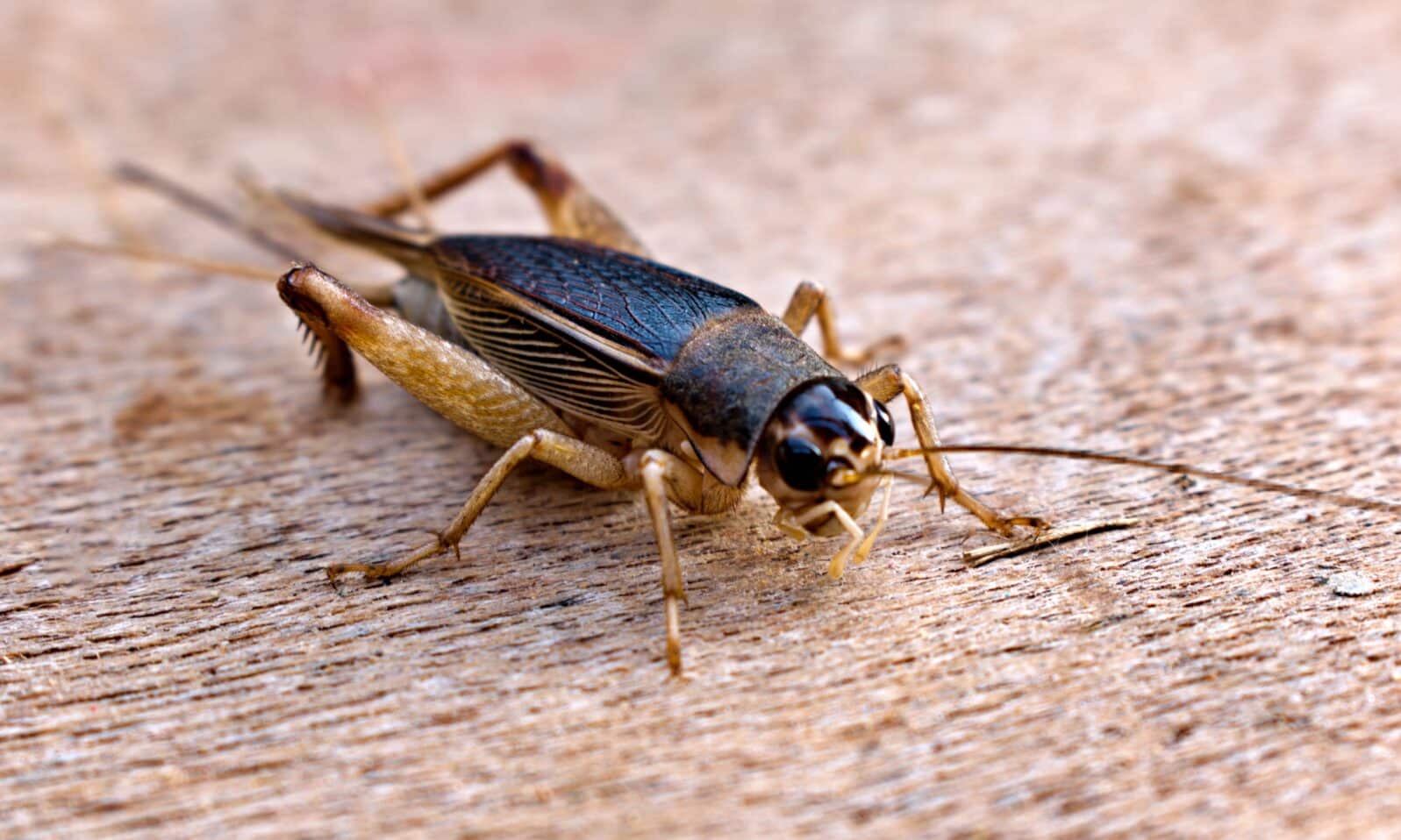
Truth be told, most humans do not want insect burgers at all
But truth is rarely told these days in these matters.
At Sentient Media, Seth Millstein tells us that a “New Report Casts Doubt on the Buzz Around Insect Food.” He notes that, while insects have a lot of protein, the industry faces many challenges in becoming mainstream.
No surprise there. Nature noted last year that the industry faces many challenges, including “low consumer acceptance and limited investment.” These two challenges are doubtless closely related.
But when we asked search engine DuckDuckGo’s AI about this today, we were firmly told
Insects are not waning in popularity as food; in fact, over 2 billion people consume them regularly, and the United Nations encourages their consumption for their nutritional benefits and environmental efficiency. The trend is growing, especially in Western markets where insects are being processed into familiar food products like protein bars and pasta.
Does that “pasta” thing sound like it is really happening much?
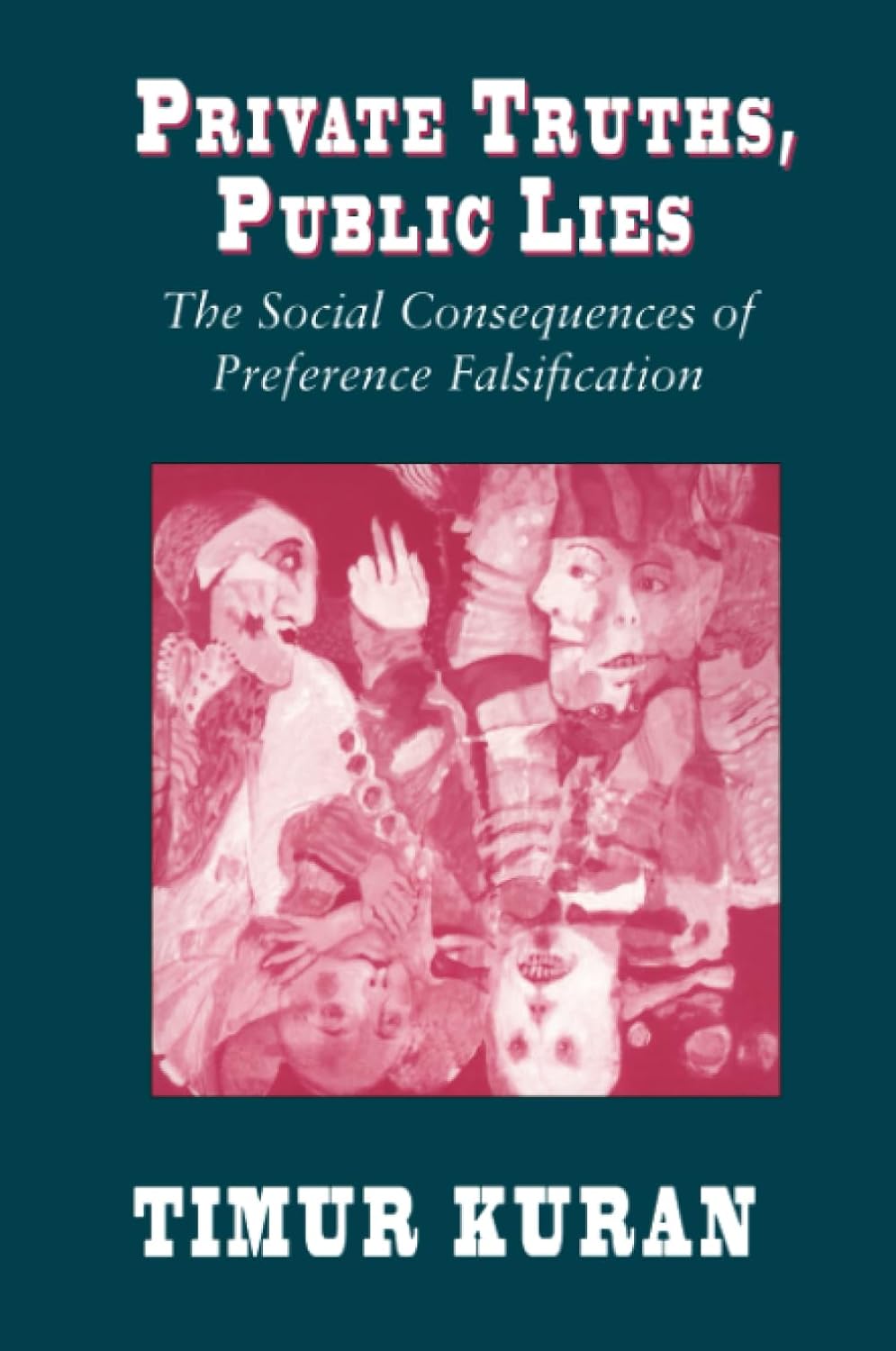 Published by Harvard University Press
What’s going on here may well be a case of preference falsification, a concept developed by Duke University economist Timur Kuran. As Jeffrey A. Tucker explains, it means
“the act of misrepresenting one’s genuine wants under perceived social pressures.” It is different from self-censorship because people outright lie about what they really think. When the lie persists long enough, people begin to believe the lie and essentially live fake lives, proclaiming fealty to one idea while holding another one in their heart of hearts.
“Preference Falsification and Cascade,” December 18, 2024
Many people earnestly need us all to know that they have no objection whatever to bugs as food, for the sake of the planet. And yet, lectures from AI bots aside, the bugs never seem to feature at their favorite fast food places…
What if authorities decide to push the idea more strongly?
What can happen then, as Tucker points out, is a preference cascade:
A good example is the collapse of the Berlin Wall. One day it was heavily enforced, essential to national security and national identity, guarded with killer weaponry, and approved of by everyone on one side. The next day, it was like no one really cared anymore and the cars raced through and the thing was torn down while the soldiers watched and then joined in.
Most of us are hypocrites for social peace. But we tend to abandon hypocrisy when things really start to get out of hand.
There are wider applications here, of course.
Here’s Kuran’s 1998 HUP book.
