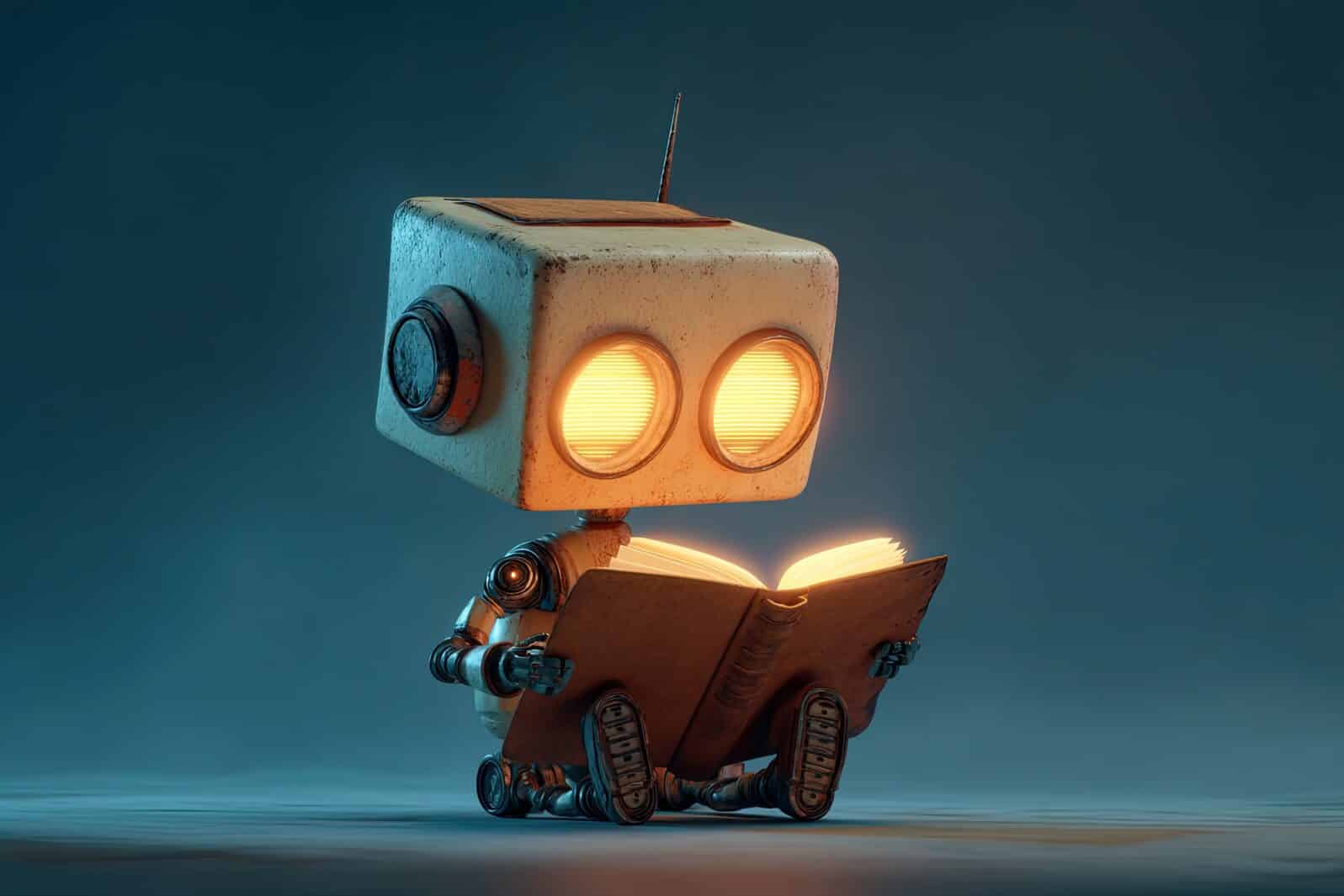
More Books for the Bots
AI companies are buying (and destroying) rare booksAI companies are using physical books to train them for their large language models since these texts aren’t already ridden with AI-generated writing. What better place to look for pure human language than in rare books? Futurism writer Frank Landymore writes,
Now, as 404 Media reports, this practice has become prevalent enough that even well-established book sellers are looking to cash in on the AI boom. One called ISBNdb, which boasts the “world’s largest book database,” extolls that the “world’s best AI training data is setting on a shelf,” upholding these physical texts as uncorrupted by shoddy AI writing that’s already polluted so much of the internet (and indeed, newer books).
The books, however, are essentially destroyed by the cutting machines employed to get at the text. Cultural critic Ted Gioia picked up on the story and commented:
Some rare book dealers have seen a 400% increase in sales, due to this hoarding of volumes by tech companies. In some cases, the works destroyed are almost irreplaceable.
This is almost a metaphor for AI’s destructive relationship to literary culture. But there’s even greater irony in the reason why AI companies prefer old books for training — it’s because they want to avoid contaminating their bots with AI slop.
I wish they had the same concern for us.
The story generated a lot of criticism, unsurprisingly. If nothing else, gutting books in order to train AI models is distasteful to a lot of people and, as Gioia points out, serves as a clear metaphor for the cultural unease surrounding this rapidly accelerating technology. What are these companies sacrificing in their technological ambitions?
Authors around the country have already levied lawsuits against AI companies like Anthropic for pirating their creative work, but will such efforts curb the problem? This struggle between analogue, human-made writing and AI language models will certainly continue. The question is: Who wins? Maybe we should start buying up all the old books before the bots get to them.
