Mind Matters Natural and Artificial Intelligence News and Analysis

TagCarly Cassella

close-up-portrait-of-a-neandertal-kid-generative-ai-stockpac-849520338-stockpack-adobestock
Close-up portrait of a neandertal kid - Generative AI

Tales From the Neanderthal Nights: Why They Really Disappeared

A new paper offers an assessment that does not need the Neanderthal to be the subhuman whose disappearance is explained by evolution. Arithmetic will suffice

There seems less interest today in maintaining a “subhuman” status for our Neanderthal ancestors. It’s good if that sort of thing makes people uncomfortable.

Read More ›
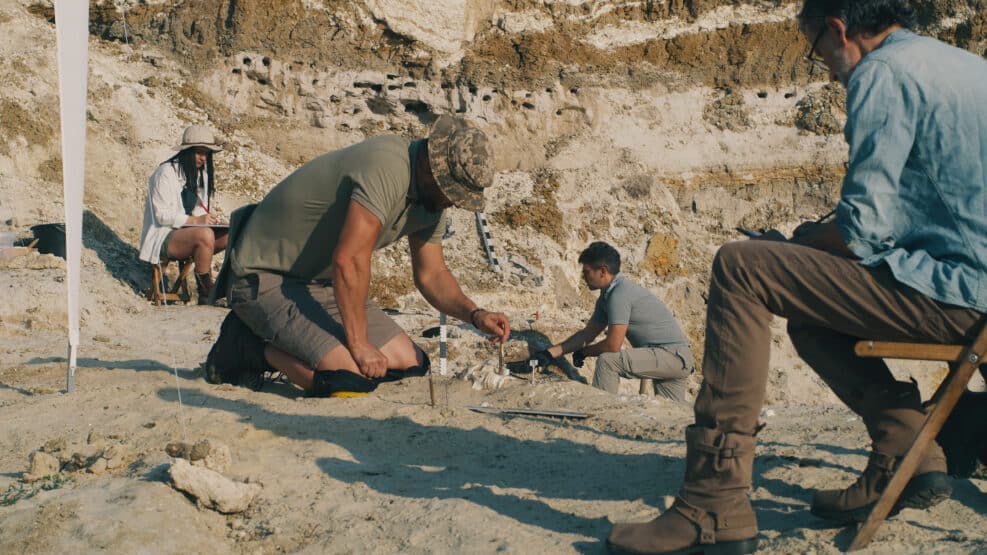
team-of-archaeologists-excavating-fossils-stockpack-adobe-st-458117077-stockpack-adobestock
Team of archaeologists excavating fossils

New Find: Stone Tools From 1 to 1.5 Million Years Ago

The tools were found on Sulawesi, an island near Flores, where fossils of diminutive humans were found in 2003 — but they were not as old as these tools

Human technology definitely has a history but the human mind does not. We see it where we see it, often just a glimpse in these abysses of time.

Read More ›
caution-warning-sign-indicates-a-potential-error-danger-in-the-digital-technology-system-symbol-exclamation-system-failure-or-trouble-notice-important-website-maintenance-and-available-on-internet-stockpack-adobe-stock
Caution warning sign indicates a potential error danger in the digital technology system. Symbol exclamation, system failure or trouble. Notice important website maintenance and available on internet

Can AI Help Stem the Tide of Fake Science Papers?

One problem is that science journals don’t do a very good job of establishing author identities. Chatbots are bound to make things worse

AI can help detect fake papers but it is not going to save researchers from a partly AI-driven dystopia.

Read More ›
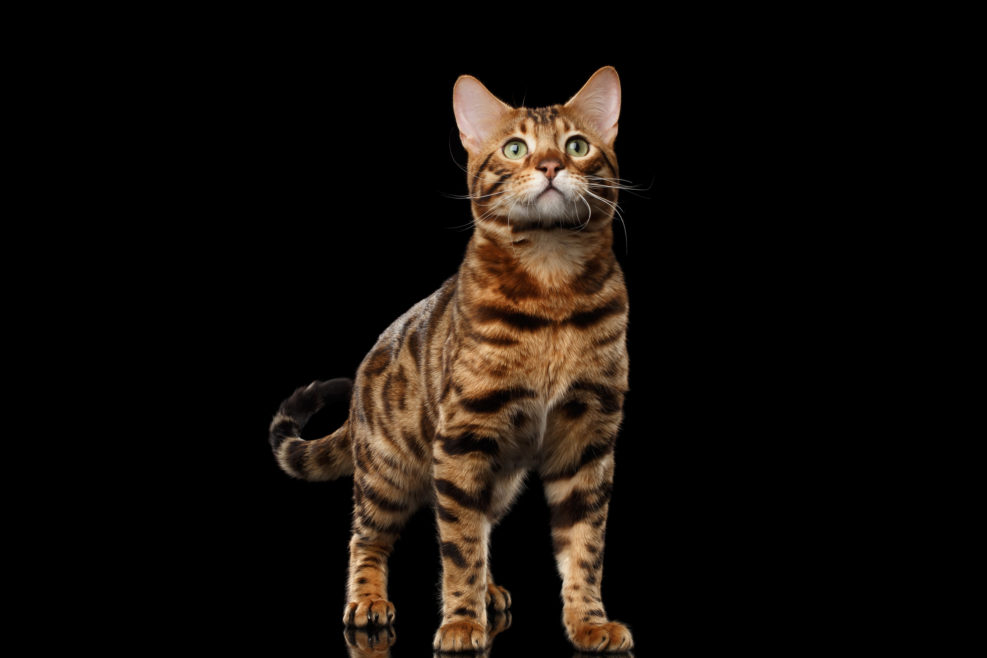
stately-bengal-male-cat-with-beautiful-spots-standing-and-looking-up-on-isolated-black-background-front-view-gorgerous-breed-stockpack-adobe-stock
stately Bengal Male Cat with beautiful spots Standing and Looking up on Isolated Black Background, Front view, Gorgerous breed

Researchers: Cats Do Recognize and Respond To Our Voices

If you are a cat’s human friend, he cares when you talk to him. Whether he will, or even can, do what you want is a separate question

Do cats care whether we talk to them or not? In a recent study, animal cognition experts found that cats may change their behavior when their “humans” are talking in a tone directed to them. But they don’t react the same way to a stranger who is talking that way or when the voice is directed elsewhere. Charlotte de Mouzon and colleagues from Université Paris Nanterre (Nanterre, France) investigated the way 16 cats reacted to “pre-recorded voices from both their owner and that of a stranger when saying phrases in cat-directed and human adult-directed tones.” With adult-directed tones, no “endearing” kitty talk is used. It might not be clear who the intended recipient of the message is, apart from what Read More ›

depressed-woman-sitting-on-bed-and-holding-head-in-hands-through-window-with-raindrops-stockpack-adobe-stock
depressed woman sitting on bed and holding head in hands through window with raindrops

Study: Depressed Patients’ Brains Can Rewire, Lifting the Gloom

The paper will be presented at as conference of the European College of Neuropsychopharmacology

We are always learning new, mostly hopeful, things about the human brain. This one may help medics treat depression: Scientists believe that the structure of the adult brain is generally rigid and incapable of rapid changes; now new work has shown that this is not true. German researchers have shown that in-patient treatment for depression can lead to an increase in brain connectivity, and those patients who respond well to this treatment show a greater increase in connectivity than those who don’t. European College of Neuropsychopharmacology, “Scientists discover structure of adult brain — previously thought to be fixed — is changed by treatment” at Eurekalert (October 17, 2022) The paper will be presented at the 35th European College of Neuropsychopharmacology Read More ›