TagSlime mold


Scientists Try To Understand How One-Celled Life Forms Learn
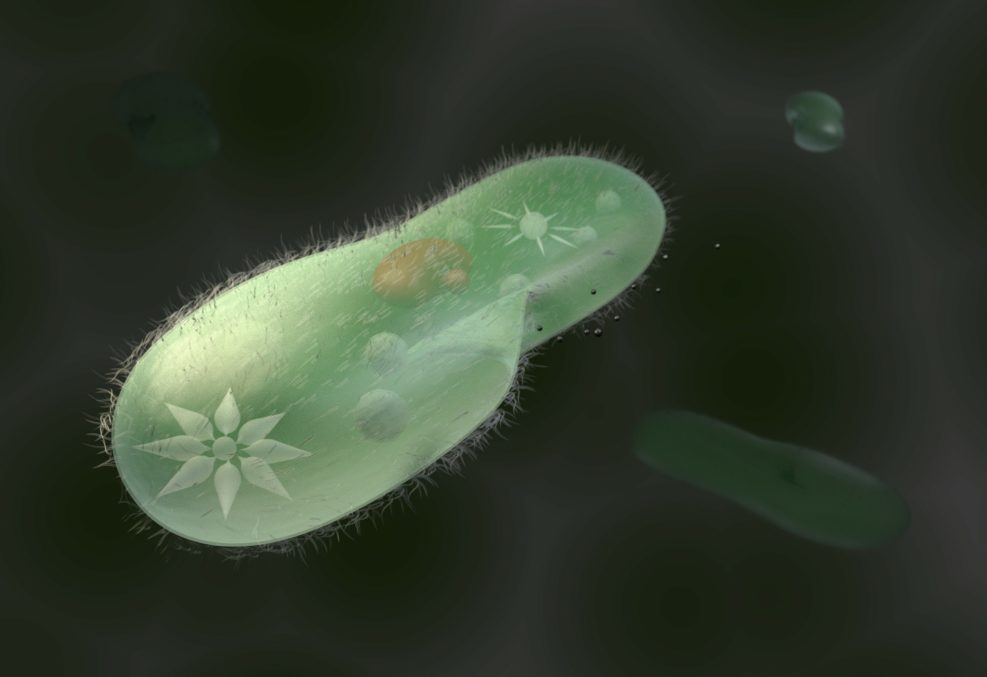
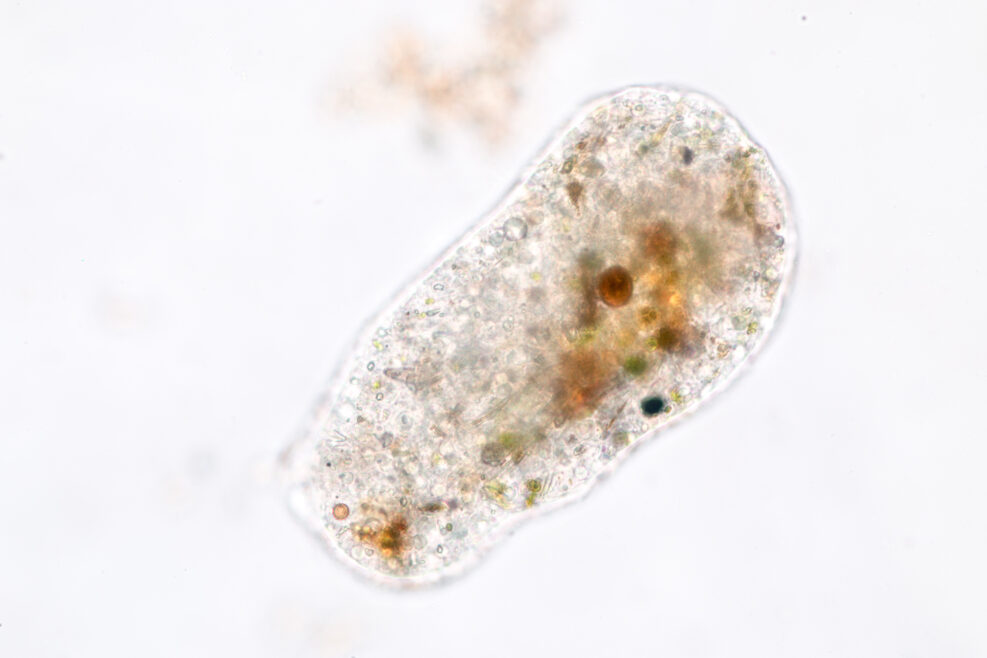
Artificial intelligence may offer a model for learning without a brainAccording to a recent article in The Scientist, in the mid-twentieth century, several labs produced results that suggested that one-celled organisms could learn, in the sense that they could alter future behavior based on past experience. At the time, such findings were dismissed as flukes or mistakes because it was unclear how a unicellular life form like paramecium, with no brain or nervous system, could store memories. Today, a team from Harvard, Rutgers, and MIT is taking a second look at the findings of learning in paramecium: We exhume the experiments of Beatrice Gelber on Pavlovian conditioning in the ciliate Paramecium aurelia, and suggest that criticisms of her findings can now be reinterpreted. Gelber was a remarkable scientist whose absence Read More ›

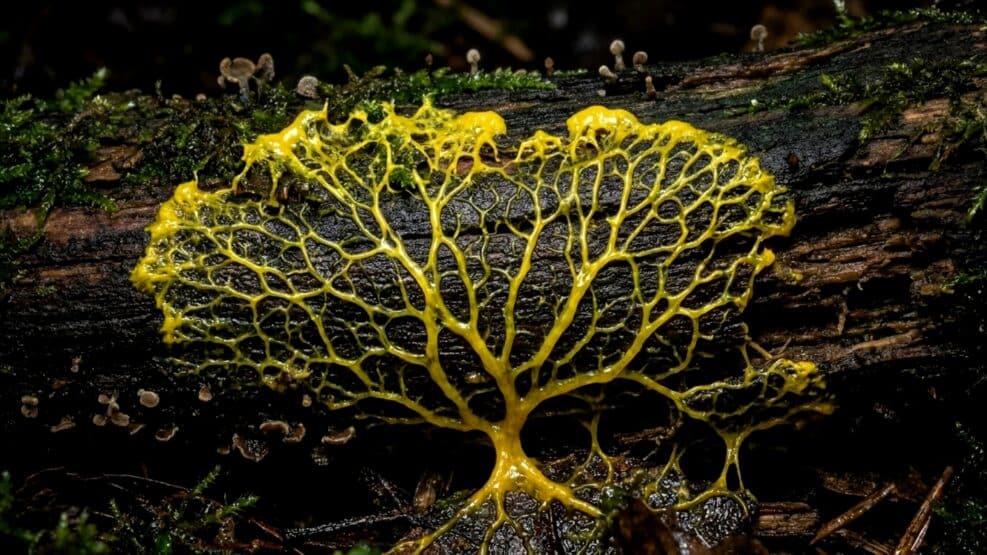
Slime Mold: An Earthbound “Alien” That Thinks Without a Brain
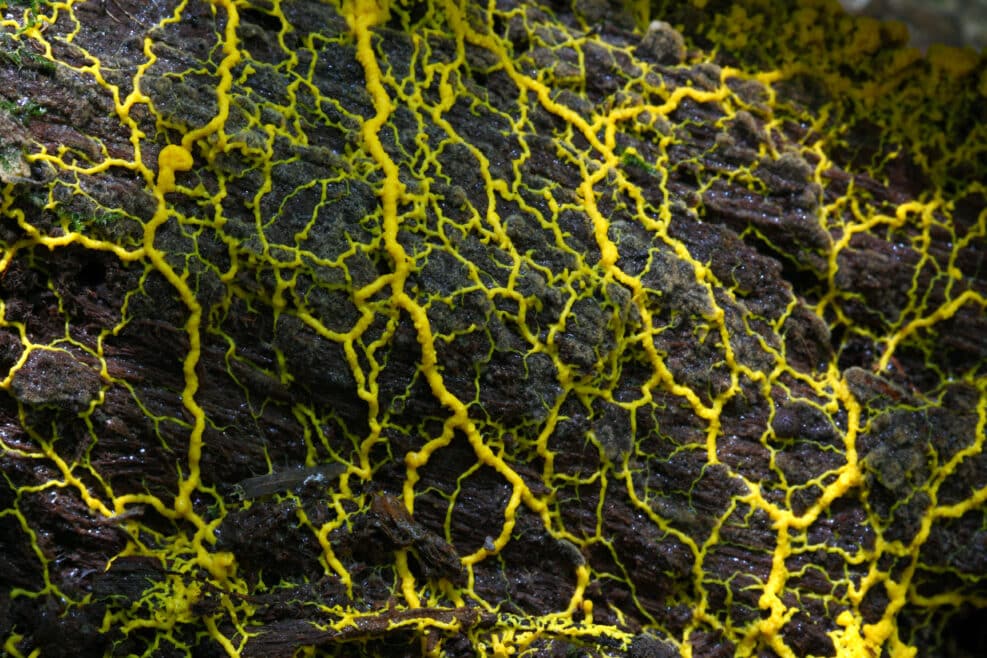
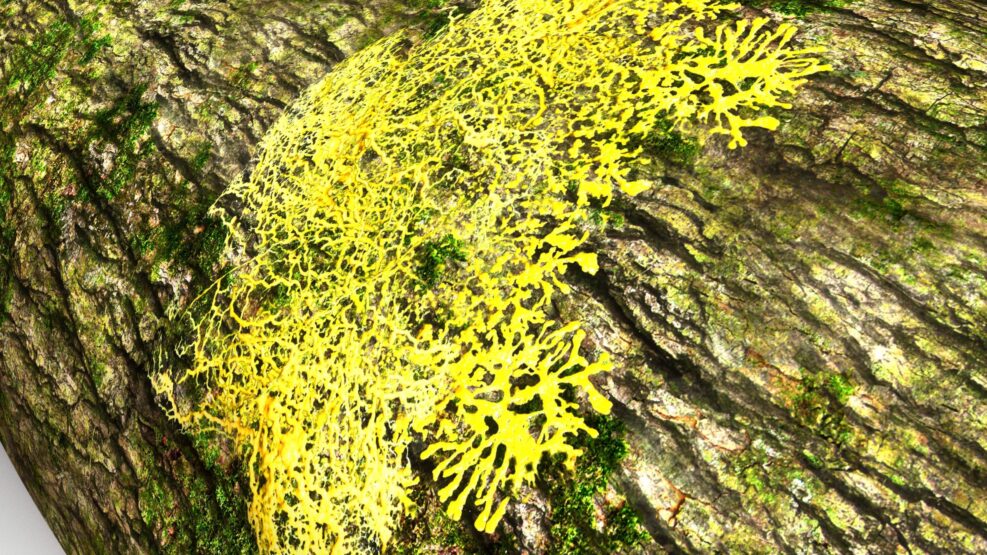
Researchers are beginning to learn just how giant molds can remember things without a nervous system. What, exactly, is doing the computations?Turns out, it’s all in the tubes. The slime mold Physarum polycephalum is a single cell, often very large. The way Physarum gets to be so large is that when it divides, the many single cells merge into one giant cell — with no nervous system: “Its body is a giant single cell made up of interconnected tubes that form intricate networks. This single amoeba-like cell may stretch several centimeters or even meters, featuring as the largest cell on earth in the Guinness Book of World Records. Technical University of Munich (TUM), “A memory without a brain” at ScienceDaily (February 23, 2021) The paper is closed access. But how does the giant Physarum cell, with no brain, mouth, limbs, or Read More ›

Is a Brain Really Needed for Thinking?
The “blob,” now on display at the Paris Zoo, forces the questionIn addition to the many puzzles we face in understanding the relationship between the immaterial human mind and the material human brain, we are discovering some life forms that can manage “sensory integration, decision-making and now, learning” without a physical brain.
Read More ›