Mind Matters Natural and Artificial Intelligence News and Analysis

TagLegal

a-young-woman-holding-the-hand-of-an-old-woman-in-a-hospital-bed-black-and-white-stockpack-adobe-stock
A young woman holding the hand of an old woman in a hospital bed, black and white

Did Gavin Newsom Witness His Mother’s Murder?

A memoir reveals the governor’s most personal account yet: his mother’s decision to end her life.

Despite the obvious emotional pain caused in witnessing his mother’s killing, Newsom says that he strongly supports legalizing assisted suicide.

Read More ›

checklist-writing-notice-remember-planning-concepthome-office-desk-backgroundhand-holding-pen-and-writing-note-on-wood-table-stockpack-adobe-stock
Checklist Writing Notice Remember Planning Concept,home office desk background,hand holding pen and writing note on wood table.

Lawsuit Champions Human Creativity Over AI Mimicry

Copyright laws can protect against sophisticated plagiarism.

ChatGPT is specifically taught to read authors’ works so that a human can request ChatGPT to mimic the original authors’ content and style.

Read More ›
ai-related-law-concept-shown-by-robot-hand-using-lawyer-working-tools-in-lawyers-office-with-legal-astute-icons-depicting-artificial-intelligence-law-generative-ia-stockpack-adobe-stock
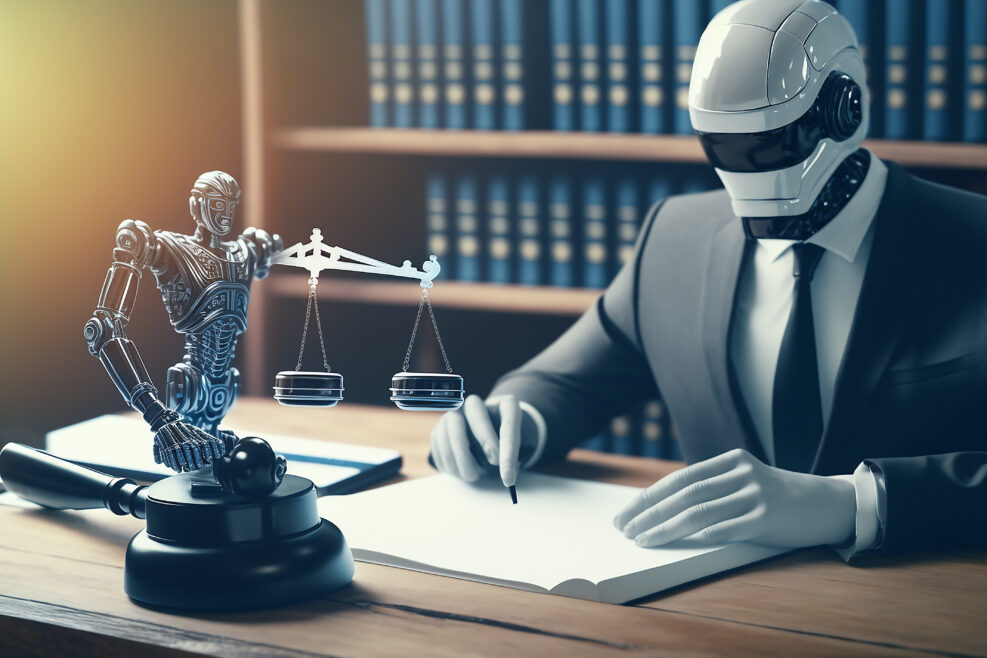
AI related law concept shown by robot hand using lawyer working tools in lawyers office with legal astute icons depicting artificial intelligence law . GEnerative IA

Can Lawyer Robots Solve Complex Legal Cases?

A lawyer recently used ChatGPT in a court case, but it generated false citations. Can AI be trusted at all in the courtroom? Lawyer Richard Stevens explains how in legal cases, meaning, context, and nuance are essential, and can’t be “computed” by artificial intelligence.  Additional Resources

the scales of justice
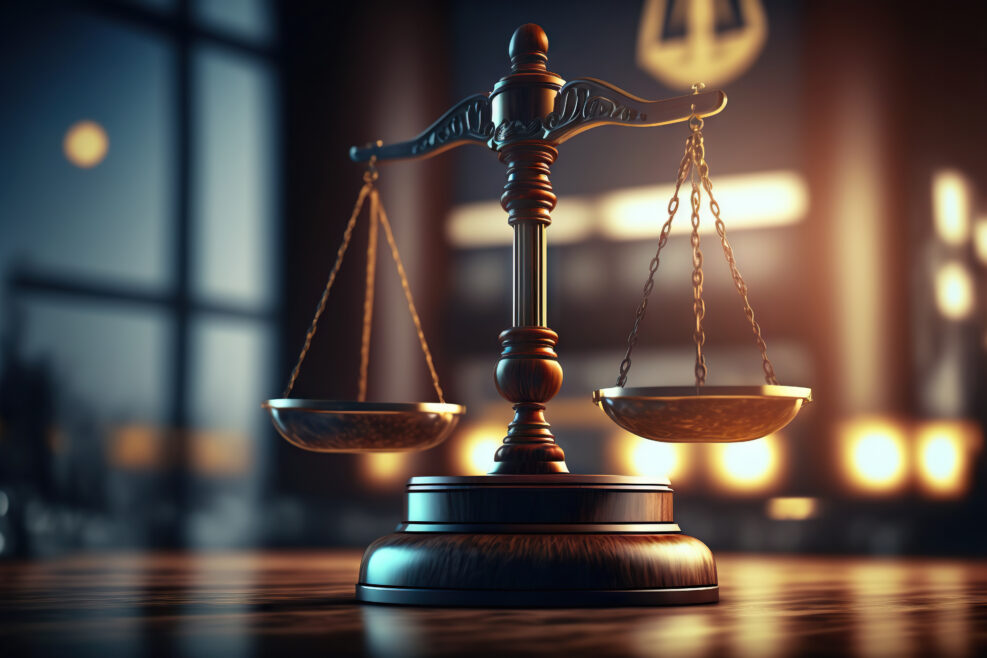
Scales of Justice in the dark Court Hall. Law concept of Judiciary, Jurisprudence and Justice. Copy space. Based on Generative AI

AI in the Courtroom: How to Program a Hot Mess

Could AI make competent judicial choices in the court?

Imagine we’re assigned to design the artificial intelligence (AI) software to carry out legal analysis of cases like a human judge. Our project is “CourtGPT,” a system that receives a factual and legal problem in a case where there are two opposing parties, analyzes how certain statutes and other legal principles apply to the facts, and delivers a decision in favor of one of the parties. CourtGPT will make “legal decisions,” not decide “jury questions of fact,” and thus will function like a judge (not juror). To write a computer program of any complexity, we start by describing the entire program’s operations in English (my native tongue). Pro tip: If you cannot describe how your program operates in human language, then you cannot Read More ›