Did Gavin Newsom Witness His Mother’s Murder?
A memoir reveals the governor’s most personal account yet: his mother’s decision to end her life.This republished article first appeared in the National Review
California Governor, Gavin Newsom, is clearly running for president and — surprise, surprise — has a new memoir coming out. In an interview about the book, he recounted attending his mother’s hastened death. From the Washington Post story:
It was the spring of 2002 when Gavin Newsom’s mother, Tessa, dying of cancer, stunned him with a voicemail. If he wanted to see her again, she told him, it would need to be before the following Thursday, when she planned to end her life.
Newsom, then a 34-year-old San Francisco supervisor, did not try to dissuade her, he recounted in an interview with The Washington Post. The fast-rising politician was racked with guilt from being distant and busy as she dealt with the unbearable pain of the breast cancer spreading through her body.
Newsom’s account of his mother’s death at the age of 55 by assisted suicide, and his feelings of grief and remorse toward a woman with whom he had a loving but complex relationship, is one of the most revealing and emotional passages in the California governor’s book, “Young Man in a Hurry: A Memoir of Discovery,” which will be published Feb. 24.
Some call it assisted suicide, but it appears to have actually been a homicide because she was lethally injected by a doctor:
Forty-five minutes before the “courageous doctor” arrived to administer the medicine that would end her life, Newsom and his sister gave their mother her regular dose of painkillers to keep her comfortable, he said.
When the doctor arrived, Tessa Newsom lucidly answered his questions and told him she was sure of her decision, Gavin Newsom said. Her labored breathing and the gravity of the moment became too much for Newsom’s sister. She left the room; Newsom stayed.
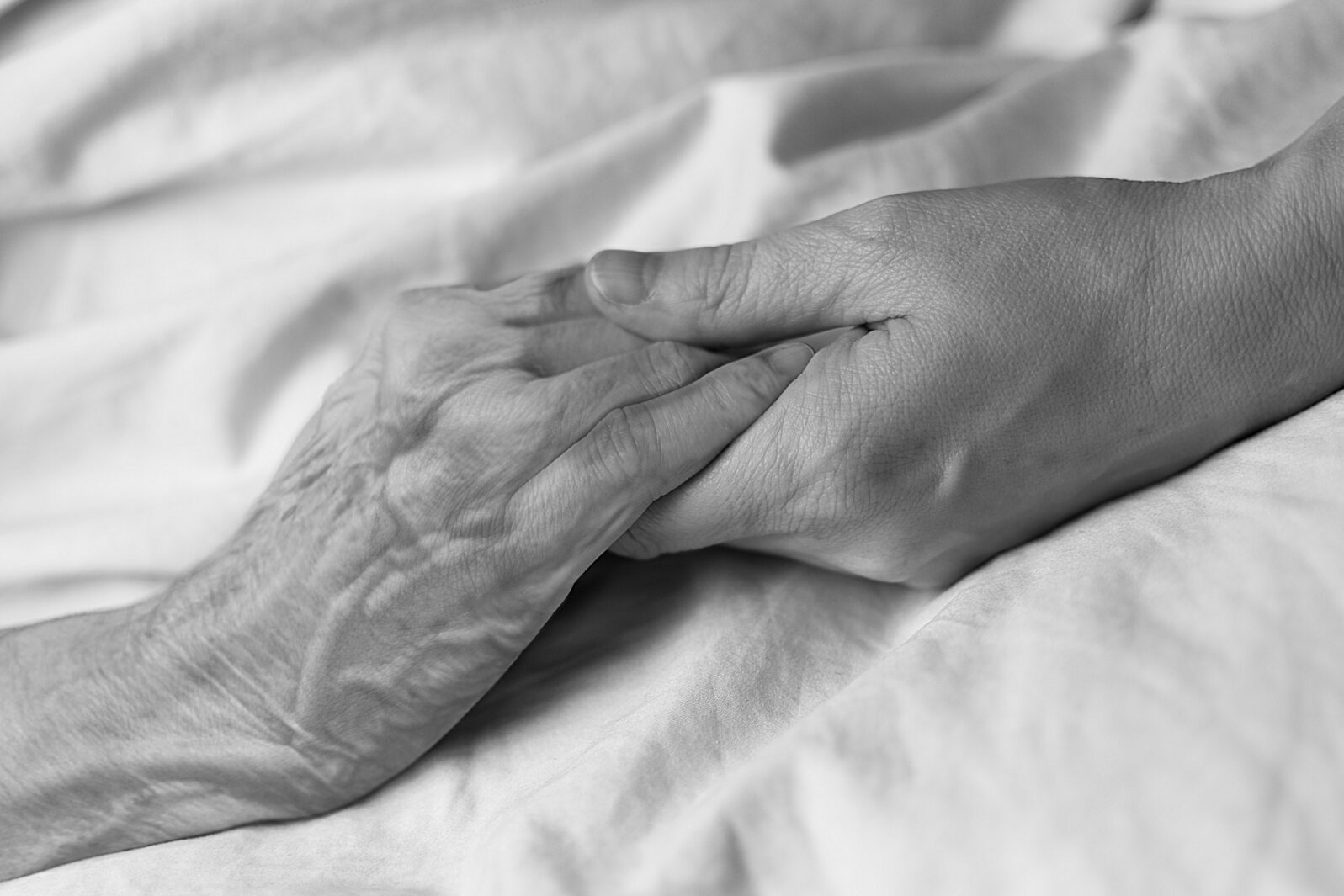
“Then I sat there with her for another 20 minutes after she was dead,” he said, his voice breaking briefly and his eyes welling as he told the story. “My head on her stomach, just crying, waiting for another breath.”
Here’s the thing: If the “courageous doctor” intentionally administered an overdose with the intent to kill Tessa, it was murder, which is defined in California as “the unlawful killing of a human being . . . with malice aforethought.”
Malice in this context doesn’t mean ill will. Rather, “(1) Malice is express when there is manifested a deliberate intention to unlawfully take away the life of a fellow creature.” That was clearly the case in Newsom’s telling.
It’s what she wanted! Perhaps. But under the law, a victim cannot consent to being murdered, so that would be no defense for the doctor.
But Wesley, it would be legal in California today! No, it wouldn’t. California’s assisted suicide law requires self-administration. So, under the law as it currently exists, if a doctor intentionally lethally injects someone with the intent to kill, it remains murder.
Despite the obvious emotional pain caused in witnessing his mother’s killing, Newsom says that he strongly supports legalizing assisted suicide. Of course he does. Legalizing assisted suicide is a liberal agenda item. And as I said, he’s clearly running for president.
So, the question is: Did Newsom break the law? If he did not participate directly in his mother’s killing or arrange for the doctor to do the deed, probably not.
But in a 2018 recounting, he told a New Yorker reporter a somewhat different story: “The night before we gave her the drugs I cooked her dinner, hard-boiled eggs, and she told me, ‘Get out of politics.’ She was worried about the stress on me.” Assisted suicide was illegal in 2002, so I don’t know.
I do wonder though, that if he had been continually caring for her so that she didn’t have to leave him a message about her plan, if he had tried to dissuade Tessa from having herself ended, and had facilitated the kind of medical care that might have made her not want to be killed, whether things might have turned out differently. Hospice, properly administered, can work wonders in that regard. But as Newsom said, he was “distant” from her and oh, so very busy.
