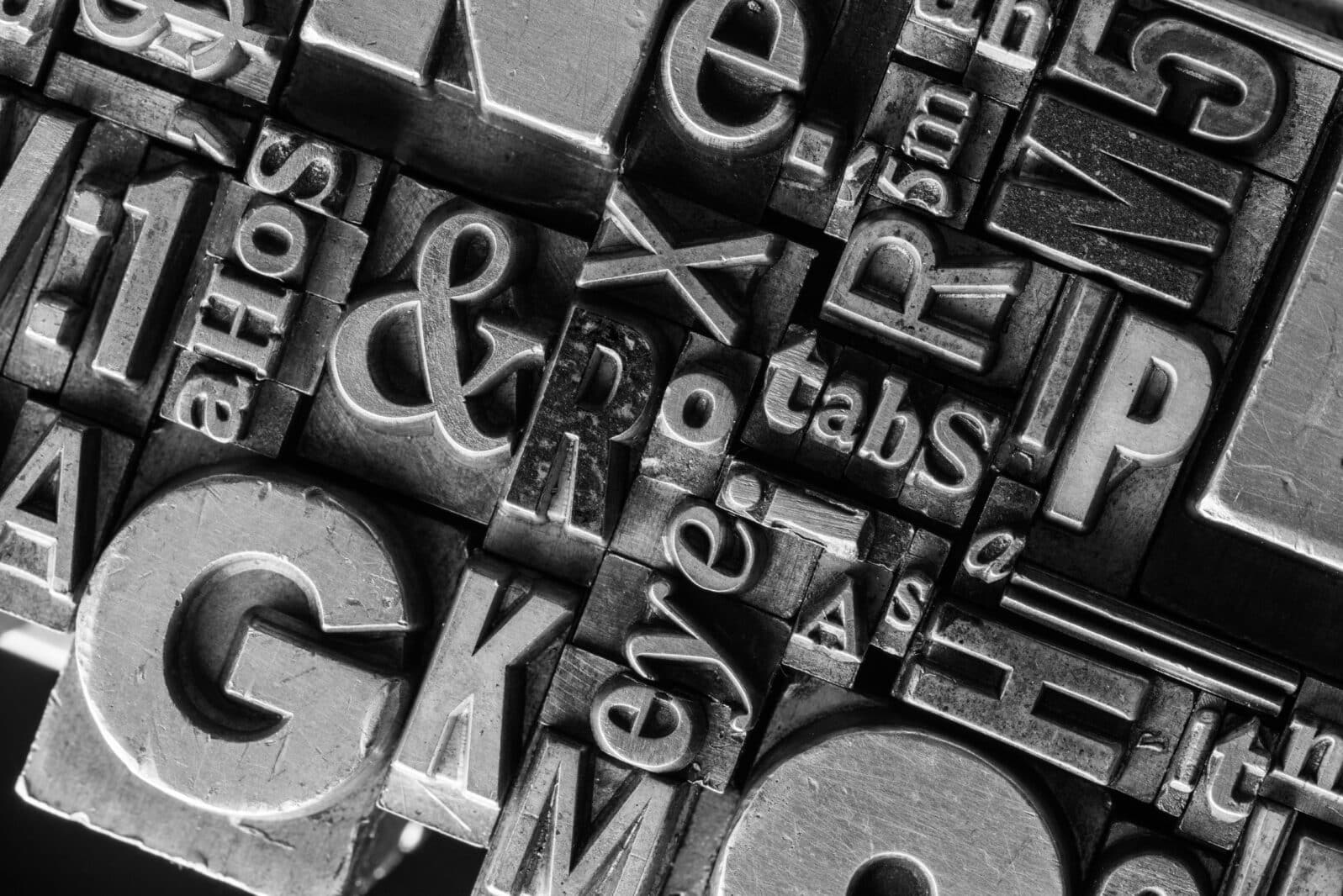
Social media is not an apocalypse; it’s a printing press cubed
At The Eternally Radical Idea, academic freedom fighter Greg Lukianoff reminds us of how the printing press changed history, inviting comparison with the internet:
But all the printing press really did was bring more people into the global conversation — not hundreds of millions, mind you, just millions — and dramatically increased the velocity of that conversation. It was the first time that free expression was possible on a mass scale. And almost as soon it hit the scene, people started making a radical argument: An argument for freedom of speech.
The eternally radical idea.
And once millions of extra eyes and minds started scrutinizing the authorities of the day, they realized a lot of what people thought was true didn’t hold up to that scrutiny…
Allowing people to be free to think as they will, and to say what they think, is a radical idea. And it is opposed in every generation because it turns out that when given the chance, people end up having a lot of questions for authority. Authority doesn’t like that. This is why, as Frederick Douglass once put it, the right of free speech “is the dread of tyrants.”
“Institutional decay, Henry VIII’s big fat libido, and the eternally radical idea,” January 30, 2025
Big technological changes can happen quite quickly
In 2014, Lukianoff goes on to say, his staff at FIRE noticed a dramatic spike in Woke Cancel culture. And the culprit?
This time, it was social media — a tool that brought billions of people into the global conversation, at nearly the velocity of human thought itself. And just as in the time of Henry VIII, the speed and scale of the resulting disruption led people to question everything: Were our authorities trustworthy? Were our moral certainties really certain? Or were these too merely a puff of incense?
In the sixteenth century, when the printing press caught on, it unleashed a deadly wave of persecutions that lasted centuries before free speech principles prevailed in many places. He thinks that Cancel Culture today may be a similar reaction. It is much less deadly, of course, and he notes that at today’s pace of change, it will not last nearly as long:
Lukianoff originally made these comments when he was awarded the the Russell Kirk Center’s inaugural Richard D. McLellan Prize for Free Speech and Expression on December 5, 2024.
