
Longtermism: The Rise and Near Collapse of a Valley Philosophy
Valley philosophies may be more influential than we think, especially if we do not even know about themMost of us have never heard of longtermism, the view that we should consider the interests of those who will live in the far future more than those of current humans.A former advocate tells us, “The ideology is pervasive in the tech industry, motivating much of the research on how to create superintelligent computers that might someday replace us.” Similarly, at Inc., we learn, “It’s not an uncommon philosophy among the world’s richest people.”
Elon Musk, whose ambition for space colonies is legendary, has said, “This is a close match for my philosophy.”
But it may also be an underlying factor in Sam Bankman-Fried’s 25-year prison sentence for cryptocurrency fraud. Bankman-Fried was an associate of key figures in longtermism (and a companion philosophy, effective altruism) and we are told that they had been “repeatedly warned” about him (Time Magazine).
Okay, let’s start at the beginning.
In 2024, the same year as Bankman-Fried received his sentence, the Future of Humanity Institute at Oxford, a hub of longtermism that opened in 2005, was shuttered.
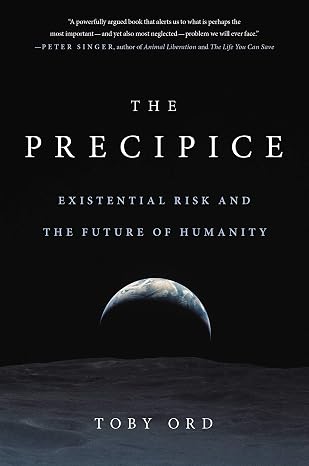
A key figure was Oxford don William MacAskill, whose book What We Owe the Future, was a 2022 bestseller. As was a fellow Oxford don Toby Ord, whose 2020 book The Precipice is currently still #3 in Philanthropy & Charity. Philosopher Nick Bostrom, a superintelligence enthusiast, was the founding director.
It all sounds as academic as tea in the common room. But the philosophies debated and espoused in that particular common room made Oxford rather uncomfortable. Emile P. Torres lists some:
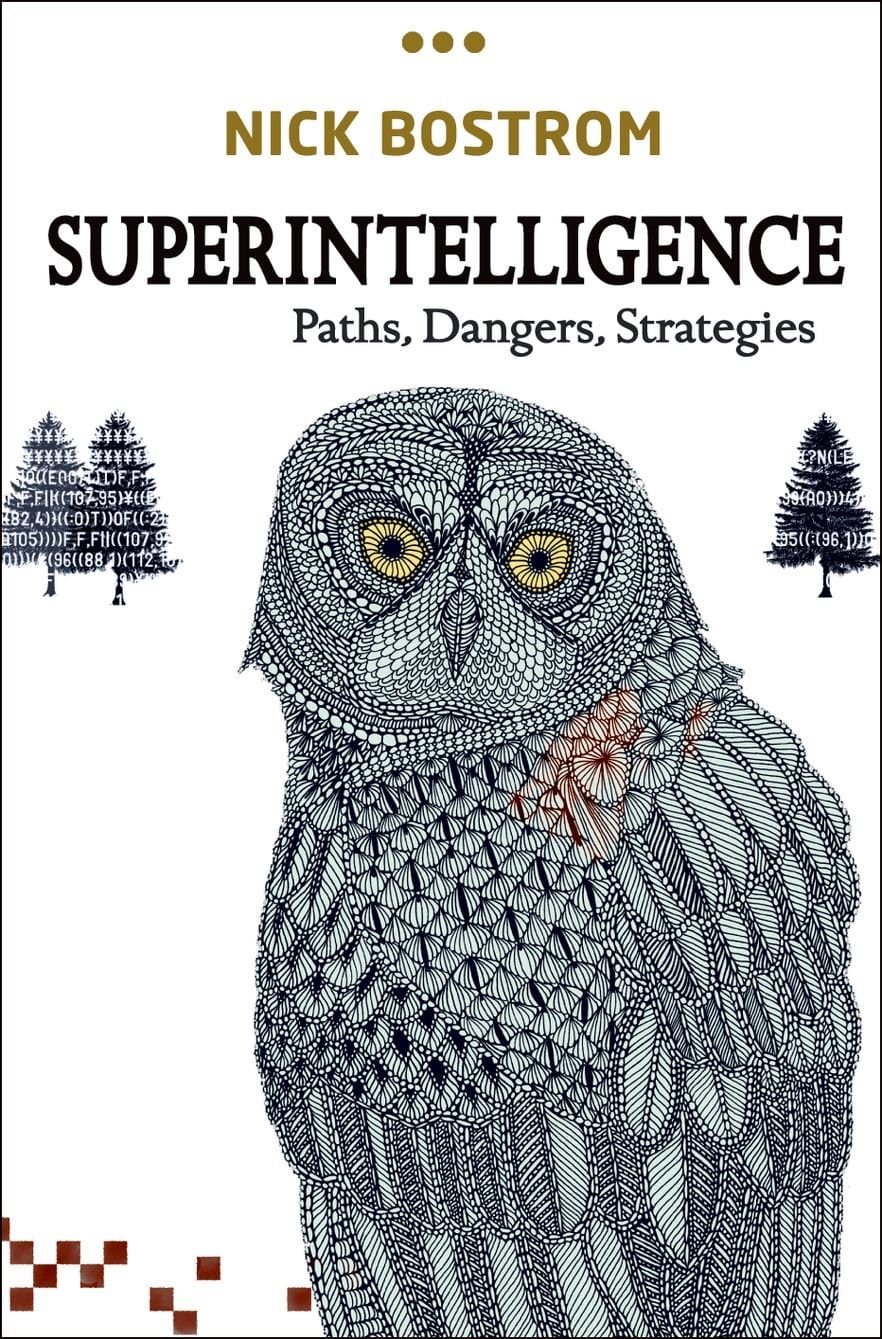
On the one hand, many of its foundational texts explicitly imagine a future in which our descendants use advanced technologies to radically enhance themselves, thus creating a superior race of “posthumans.” Such beings may be immortal, superintelligent and have perfect control over their emotions. An example comes from Bostrom’s “Letter from Utopia,” in which he writes, pretending to be a posthuman from the future: “How can I tell you about Utopia and not leave you mystified? With what words could I convey the wonder? My pen, I fear, is as unequal to the task as if I had tried to use it against a charging war elephant.” From there, the “letter” takes readers through a phantasmagoria of wonders, describing our posthuman progeny as living in “surpassing bliss and delight.”
Other leading longtermists like Toby Ord share this general vision. In his 2020 book “The Precipice,” Ord waxes poetic about how reengineering the human organism could enable us to transform “existing human capacities — empathy, intelligence, memory, concentration, imagination.” It could even augment our sensorium by adding new modalities like echolocation and magnetoreception. “Such uncharted experiences exist in minds much less sophisticated than our own,” he declares. “What experiences, possibly of immense value, could be accessible, then, to minds much greater?” Furthermore, reengineering human beings isn’t just something we might consider doing in the future — it may be integral to fully realizing our “vast and glorious” longterm “potential” in the universe. In his words: “Rising to our full potential for flourishing would likely involve us being transformed into something beyond the humanity of today.” Similarly, he declares that “forever preserving humanity as it is now may also squander our legacy, relinquishing the greater part of our potential.”
On the other hand, radical longtermists imagine our descendants colonizing space and creating huge computer simulations in which trillions upon trillions of digital people “live rich and happy lives while interacting with one another in virtual environments,” quoting Bostrom.
Émile P. Torres, What the Sam Bankman-Fried debacle can teach us about “longtermism”, Salon November 20, 2022
This piece was written in 2022, during the fall of crypto wonder boy Bankman-Fried.
Now, a word about Torres
He admits to being a former believer, “publishing numerous articles in academic journals and popular media outlets about human enhancement, machine superintelligence, and the future of humanity.” He became disillusioned with longtermism when he sensed that the philosophy undermined a focus on pressing issues today.
But when one of the primary sources for the downside of a philosophy is an ex-convert, we may be looking at a heavily iced cake. We can’t be sure how many Valley dwellers share all of these far out views. Or even a few of of them. But it’s worth knowing about them, especially when Valley moguls are running to the White House, asking for help.
Longtermism is an implausible approach to ethics anyway
The reason it is implausible is really quite simple.
Past humans are a fact. We don’t really know how many people have ever lived. But we can be quite sure, as living descendants, of the existence of a great many human ancestors. How many we want to estimate depends, in part, on how far back we think the human race goes, and there is controversy on that point.
People alive today are a fact too. But now what of future generations? We confront a huge array of possibilities, ranging from a future Musk would relish through the long-prophesied End of All Things. And anything we can imagine in between.
But prophecy, whether it comes from science, science fiction, technology, or religion, is not a present or past fact.
Making provision for near-future generations is wise. But longtermism — making decisions based on assumptions about a far distant future where everything might be different — makes no sense. For one thing, it could distract us from present concerns (one of Torres’s charges). It could also advance policies proposed down in the Valley that we would otherwise oppose.
It’s a good philosophy for science fiction though, and perhaps destined to remain there. One can easily imagine the discussion among exalted beings on Epsilon Centauri.
