Can machines reason? Depends on what you mean by “reason”
At Aeon, philosophy prof Sasha Mudd explains why human reason is so much more than what machines can do:
A few months ago, I sat in a packed university auditorium listening to a celebrated computer scientist explain the brilliance of large language models (LLMs). These systems optimise, he said. And they improve at optimisation on the basis of past experience. He paused. That, he said with a smile, is intelligence. The audience nodded along approvingly. Meanwhile, a philosophical alarm bell began sounding in my head.
“Reason is more than a tool,” October 1, 2026
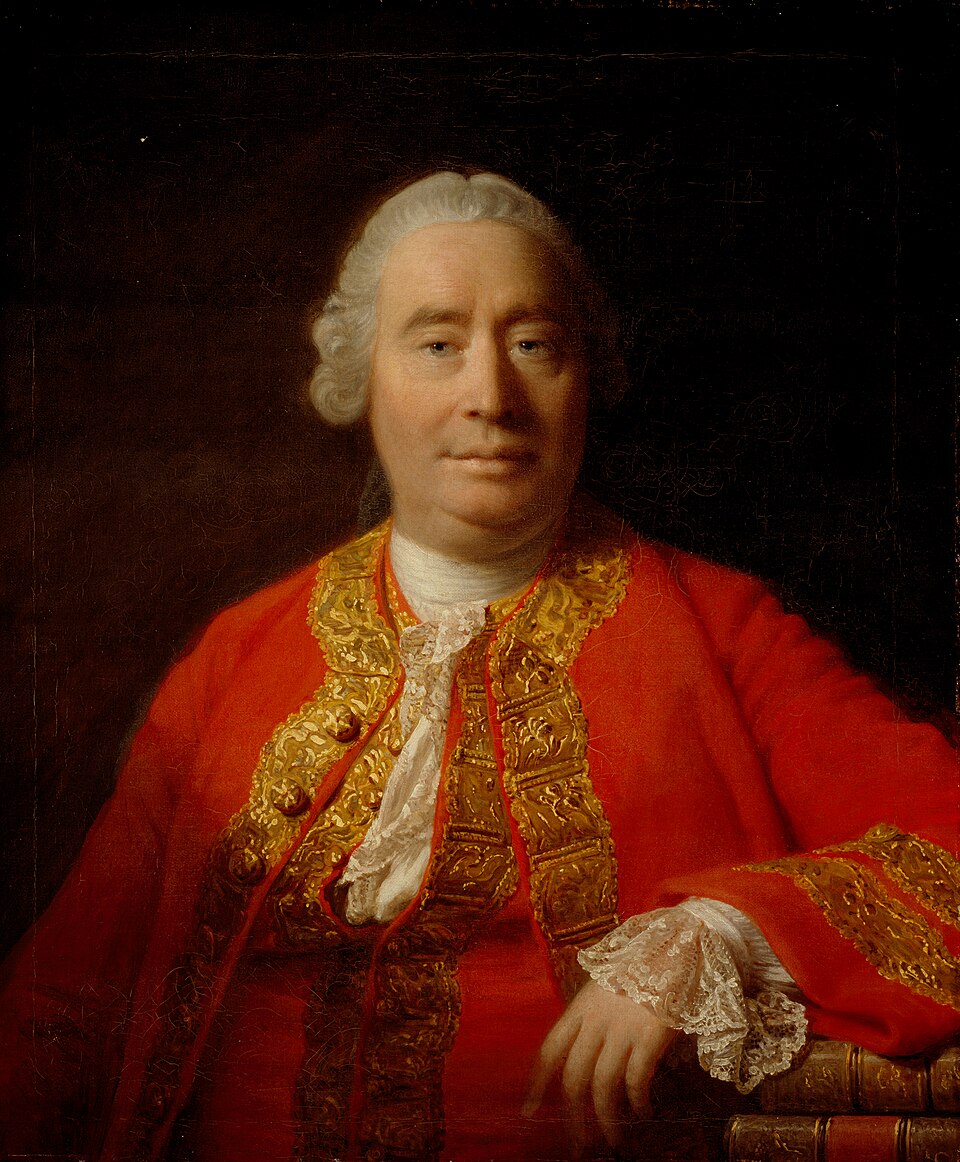
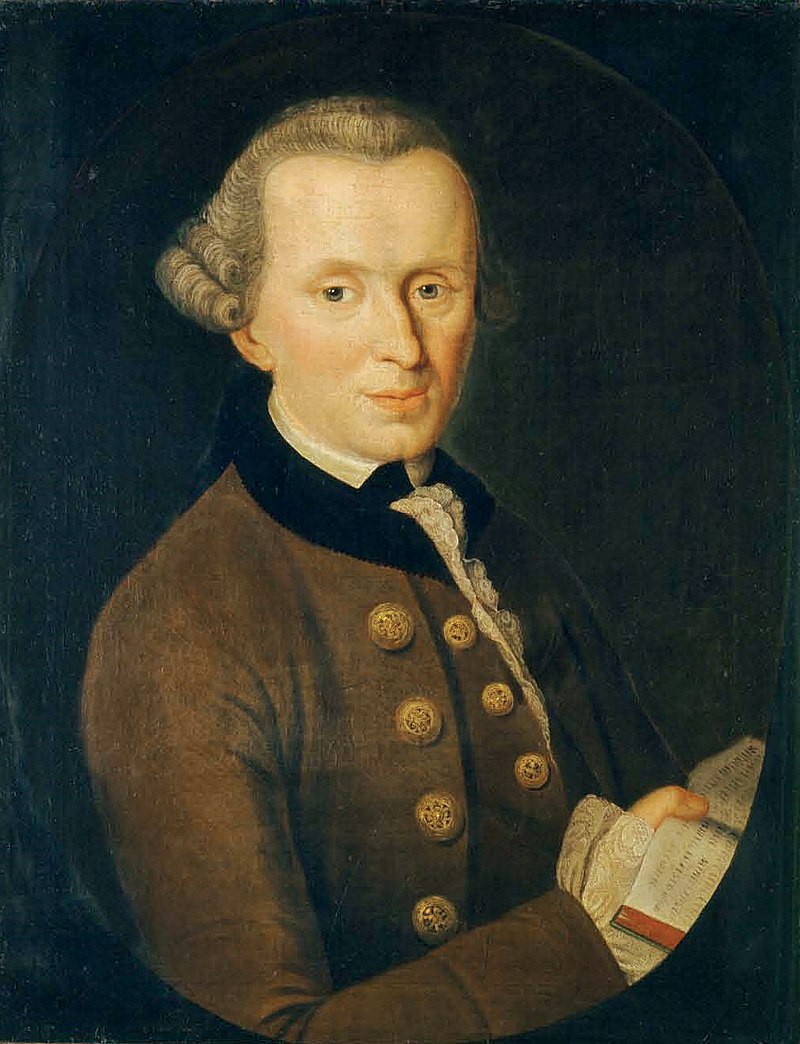
The alarm went off in her head because the speaker’s view that intelligence is merely the optimization of past experience resurrects an old and critical debate between philosophers David Hume (1711–1776) and Immanuel Kant (1724–1804). For discussion purposes, let’s assume that what the speaker calls “intelligence” is what these older philosophers would call “reason.”
Skeptical Hume held that “Reason is, and ought only to be the slave of the passions.” and can “never pretend to any other office than to serve and obey them” (1739). Kant, by contrast, held that
… reason is not only a faculty for choosing efficient means to independently given ends. It is also the power to ask whether an end is worthy of us in the first place, whether it can be justified, whether it can be willed without contradiction, whether pursuing it treats others as persons or as mere tools. “More than a tool”
Mudd comments,
This is where Kant’s richer notion of reason as freedom enters. A merely mechanical being is pushed forward and determined by prior states, be they desires, biological impulses, evolutionary drives or something similar. A rational being, by contrast, can act for the sake of an imagined but unrealised future it itself originates and proposes. I have the power to represent a possible world – a friendship repaired, an injustice remedied, a child educated, a law reformed – and act to bring it about, even when there is no empirical evidence that such a world has existed before. I have the power to invent something new. “More than a tool”
Yes, reason is the power to invent something new, intellectually but also morally.
Pointing to the Hugging Face incident, she sees the AI revolution as bringing back Hume’s view “with a vengeance”: that is, reason is a tool that gets us what we want, not a means of judging what we should want.
And she warns, “ If intelligence is only optimisation, then the future belongs to systems that achieve goals with ever greater efficiency,” even if that results in reducing us all to mere tools.
The upcoming COSM 2026 conference in Scottsdale, Arizona, November 18–20, is called Reality Check for a reason. We need to talk about these issues as they affect our society. Find out more here.