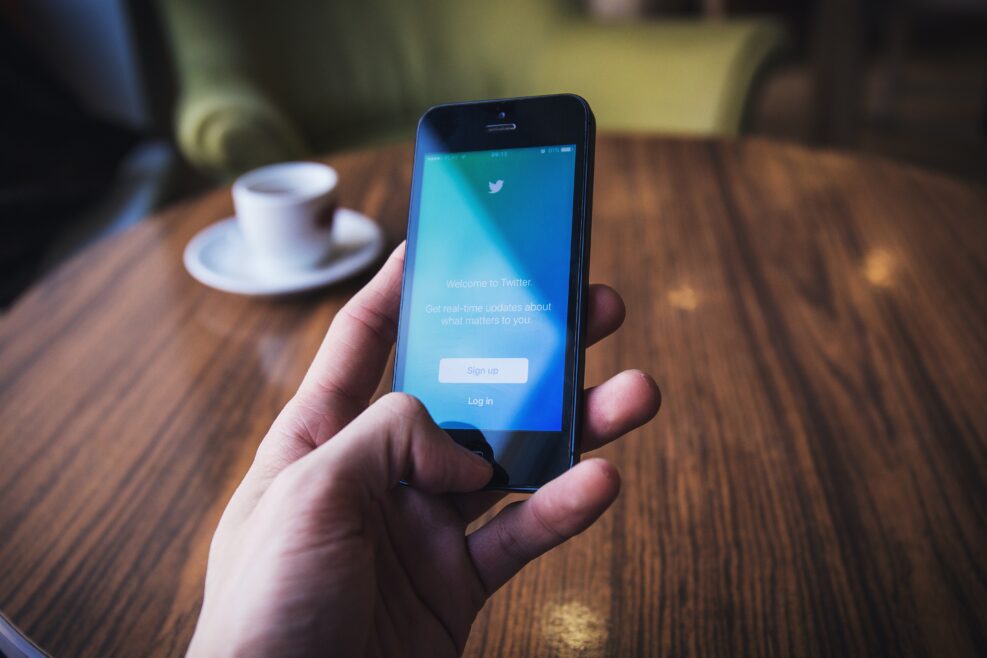
Are social media companies violating anti-trust laws?
DOJ to investigateThe efforts of social media companies to meddle in politics may now be getting pushback from politicians.
Read More ›The efforts of social media companies to meddle in politics may now be getting pushback from politicians.
Read More ›
If teachers are rewarded for compliance with nonsense, what are they not rewarded for? While we cannot directly assess the difference that makes, it is a gap whose existence we must acknowledge.
Read More ›
Social media may be changing the world more than we think. And we may need some social leadership in fighting back against Twitter mobs. It probably won’t emerge from within because bullies are usually cowards.
Read More ›
Eric Holloway: This is an expected outcome based on the fact that computers cannot generate mutual information, where two variables are dependent on each other.
Read More ›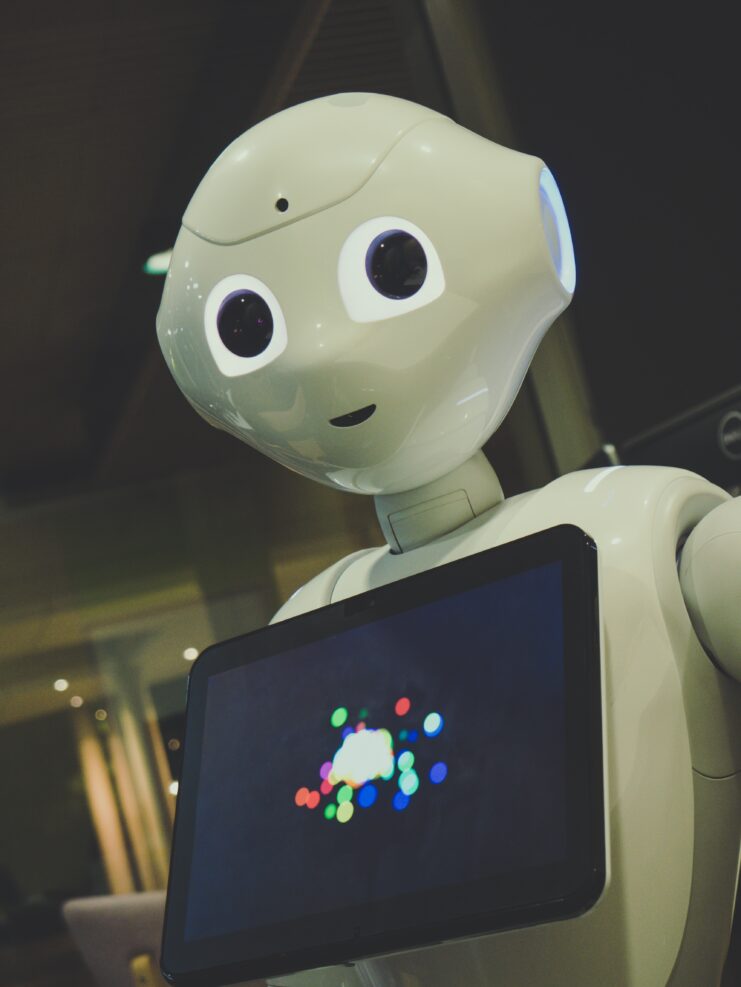
Critics of the emotional robotics industry say that the view of emotions (assumed in the industry to be only six) is oversimplified and that the robots are likely to promote stereotypes.
Read More ›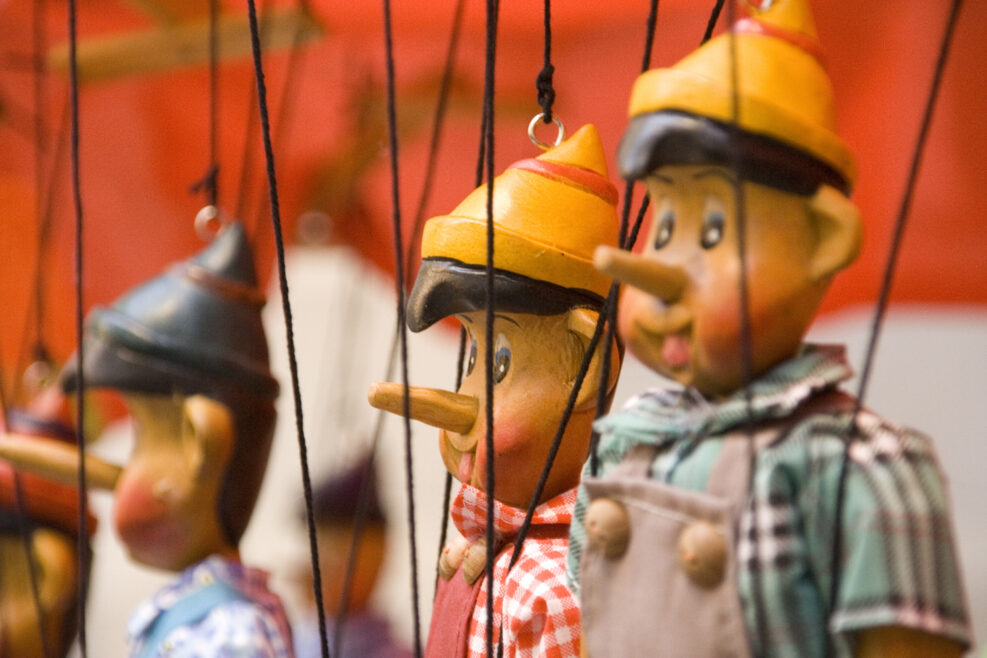
For some, it’s a moral issue: sociologist and futurist James Hughes considers existing rights language to be “often human-racist” and “unethical.”
Read More ›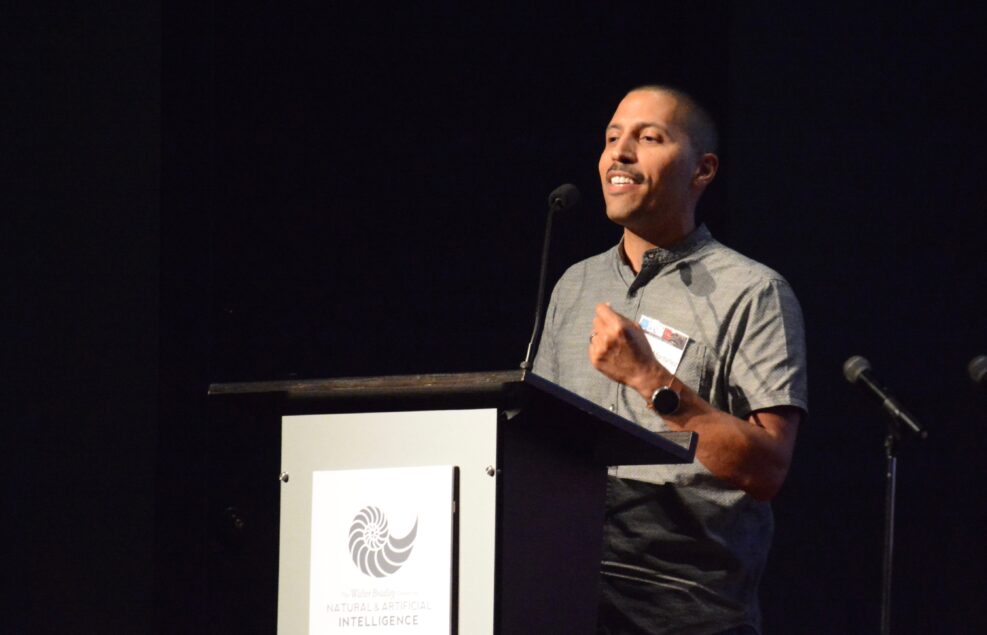
Can we make approximations that are so close to ourselves that the fact that they are approximations no longer matters?
Read More ›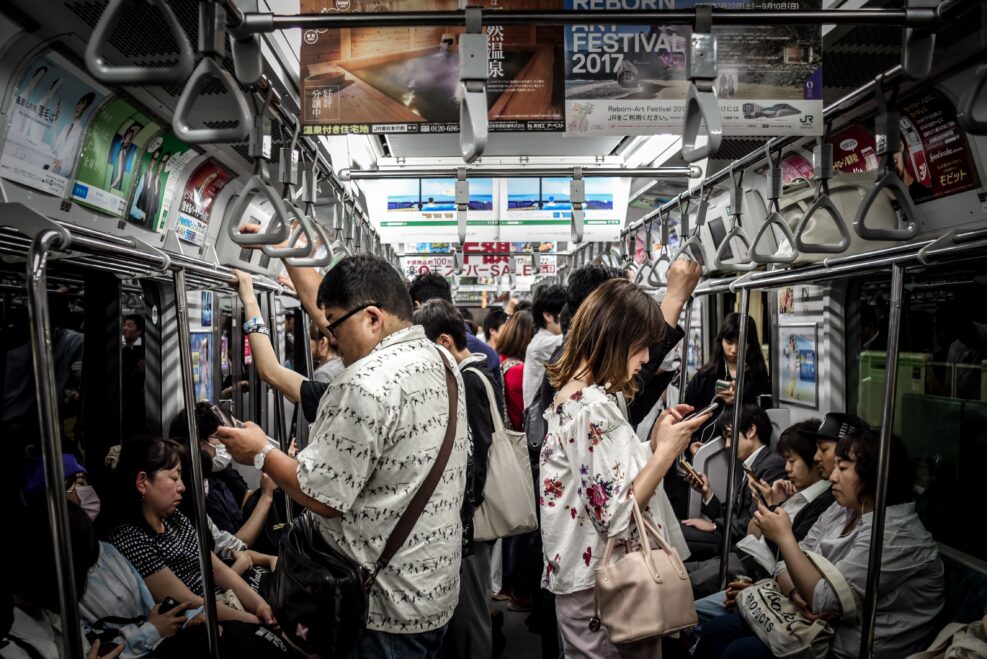
A guy on a date is not checking his phone three times in ten minutes because the world outside the restaurant is changing that fast. He is in the grip of an addiction.
Read More ›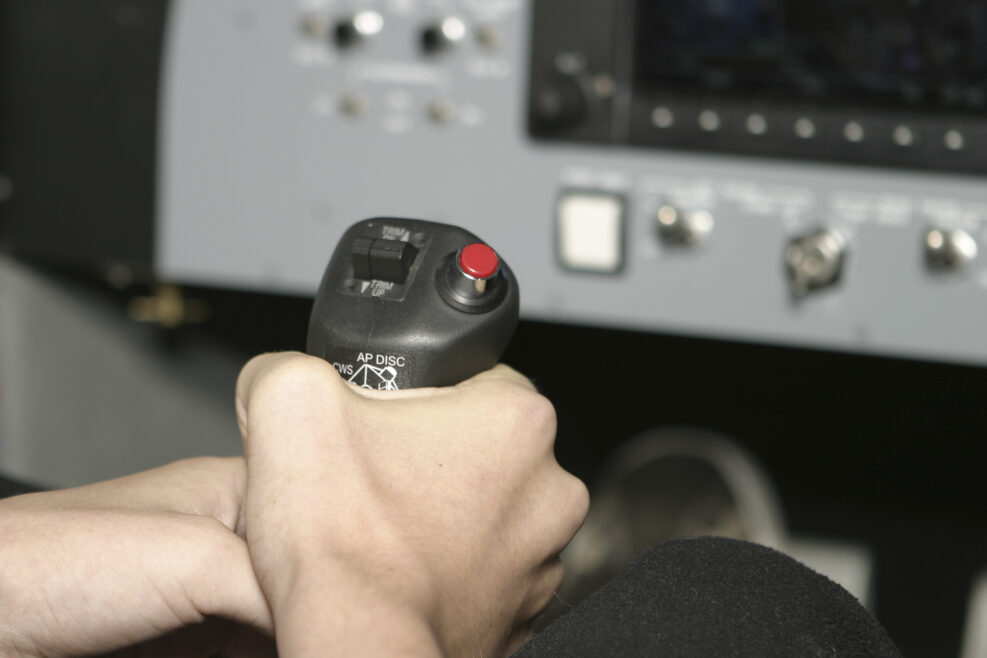
Heather Zeiger tells us that traditional aerial combat pilots tend to think the same way when piloting drones from an office but it may be a different story when cell phone addicts, who tend to lack empathy, are recruited.
Read More ›
If we have simply taken the big software, hardware, and social media companies who dominate our lives for granted, the reactions from the business world to Life after Google: The Fall of Big Data and the Rise of the Blockchain Economy should give us a lot to think about.
Read More ›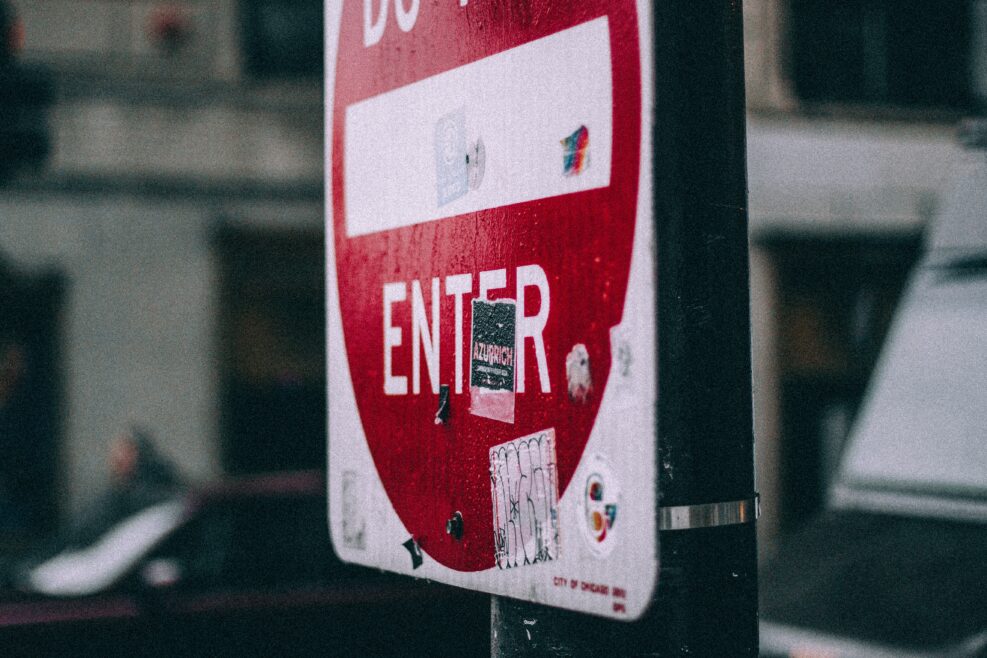
Hutson describes one test last year where a computer scientist at UC Berkeley subtly altered a stop sign with stickers. It fooled an autonomous vehicle’s image recognition system into “thinking” it was a 45 mph speed limit sign. Humans could immediately recognize the stop sign, but the car did not. Autonomous car makers wonder, could hackers turn them into terror weapons?
Read More ›
What is a human being? Are we unique creatures, bearing evidence of purpose in our making? Or are we meat-clad robots, a race of glitchy natural machines sprung up by chance through unguided evolution?
Read More ›
Join the staff of Mind Matters in Seattle on Wednesday, July 11 for a fascinating evening exploring these questions as part of the launch of Discovery Institute’s new Walter Bradley Center for Natural and Artificial Intelligence, named in honor of Discovery Institute Fellow Walter Bradley, whose distinguished academic career included professorships at both Texas A&M and Baylor University.
Read More ›