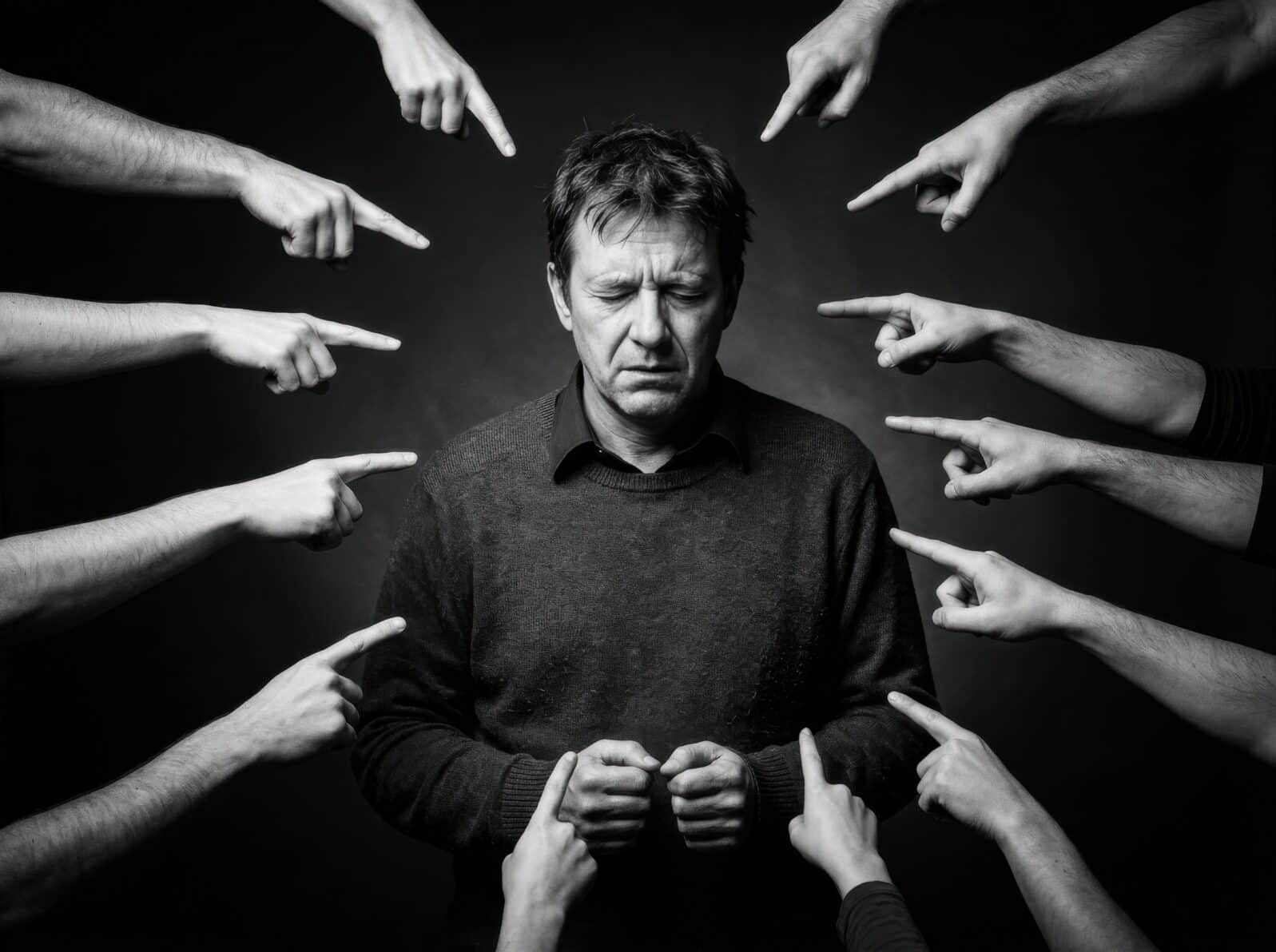
Prominent Philosopher “Vilified” Over His Dissent From Darwinism
Thomas Nagel reminisces on that with Robert Lawrence KuhnLast month, Robert Lawrence Kuhn interviewed Thomas Nagel at Closer to Truth on the difference consciousness makes to our view of everything.
New York University philosopher Thomas Nagel is, as Kuhn says, “especially known for his influential critique of reductionist accounts of consciousness.” In Mind & Cosmos (2012), he not only argues that materialist neo-Darwinism does not adequately explain consciousness, reason, and objective values but goes on to suggest that nature may have a non-reductive, teleological structure.
Here are a couple of excerpts:
≻───── ⋆☆⋆ ─────≺
Chapter 3: The Mind–Body Problem as a Cosmological Problem
Nagel: [5:13 min] You know, I had I had always thought that the mind–body problem was a problem not just about a few creatures on earth that we happen to be equated with but a general cosmological problem about, you know, the nature of what there was in the universe.
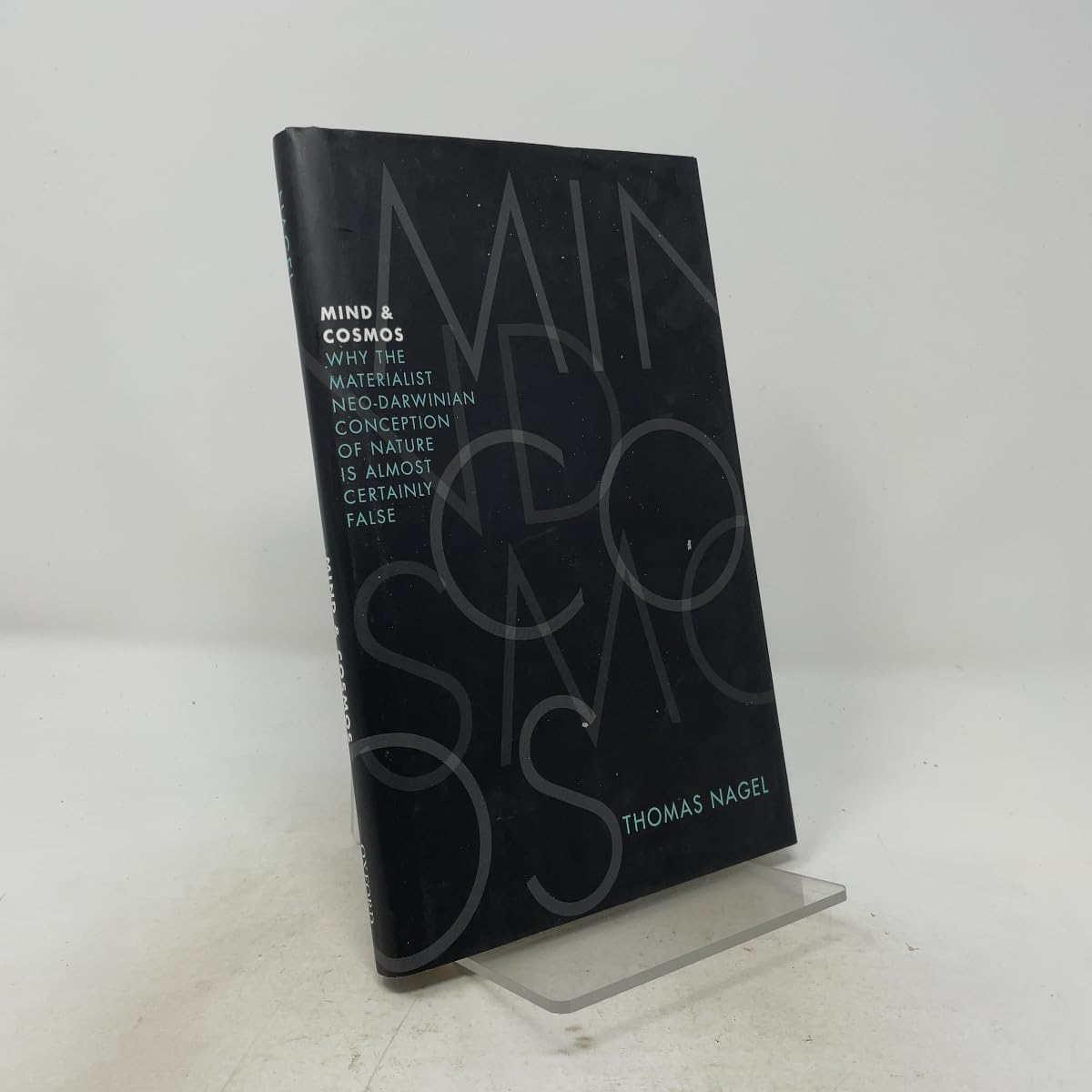
Kuhn: I thought that was arguably the single most important overarching point of the book … but I have felt that, when I reread the book very recently in preparing for our conversation, it really struck me: you had one sentence that says the mind–body problem is not just a local problem but invades — I love the term invades — our understanding of the entire cosmos and its history. I mean that is a really strong statement, which I personally agree with but I didn’t remember it being that strong in the book and I think that is the single most provocative and aggressive — in the best sense of the term — of the book.
Nagel: Well, that’s how I came to it.
Chapter 4: Rethinking Evolution and Teleology as a Candidate
Nagel: [6:43 min] And it then led me to ask how evolutionary theory would have to be rethought if it took seriously the task of explaining the appearance of consciousness.
In addition to consciousness, I added discussions of other features of human life that couldn’t be accommodated by a materialist theory of the universe, namely rationality and value.
I also felt that I had to discuss the competition among the different types of explanation of overall features of the cosmos that were in contention — the naturalistic in terms of efficient causes, the theistic in terms of external intervention — and I thought it made sense to revive as a candidate a teleological conception which has been banished from respectable thought since the scientific revolution.
But it isn’t unintelligible, I don’t think. I mean the question is, does teleology without an intent, an intention, behind it make sense?
But I think one can make sense of it formally and it just does seem to me that the appearance of incredibly complex beings like ourselves with the — in my view — more than merely physical characteristics that we have makes alternatives to a purely mechanistic explanation reasonable to take them seriously.
So I think, you know, we really have no idea what a comprehensive theory will look like but I was trying to explore the alternatives and say the matter is not closed.
Chapter 5: The Controversy Over Mind and Cosmos
Kuhn: [9:31 min] Your two previous books that you mentioned, The Last Word and The View From Nowhere had universal praise both critically and publicly. Mind and Cosmos was different…
Nagel: [10:39 min] I had been attacked for some earlier expressions of skepticism about evolutionary theory too. But it is the only subject on which I have really been vilified. It’s true …
Actually didn’t really mind the condemnation. This is a matter on which people feel very strongly. In particular I think a very important feature of contemporary intellectual life is the fear of religion. and the sense that a materialist naturalism, including evolutionary theory, as a complete explanation of human beings and their characteristics is an essential bullwark against religion. That it’s really the only alternative, the only thing that will keep a religiousworld view at bay. I think that’s very widespread and you know, it has a distorting effect intellectually.
Although I myself have no use for religion and to some extent share this fear — but I don’t think that materialism is the only alternative to religion so I think it’s a mistake to be so worried about it.
≻───── ⋆☆⋆ ─────≺
Darwinism is coming to seem more and more like an intellectual box trap.
