
Speculation in Large Language Models: The Worst Sort of Business
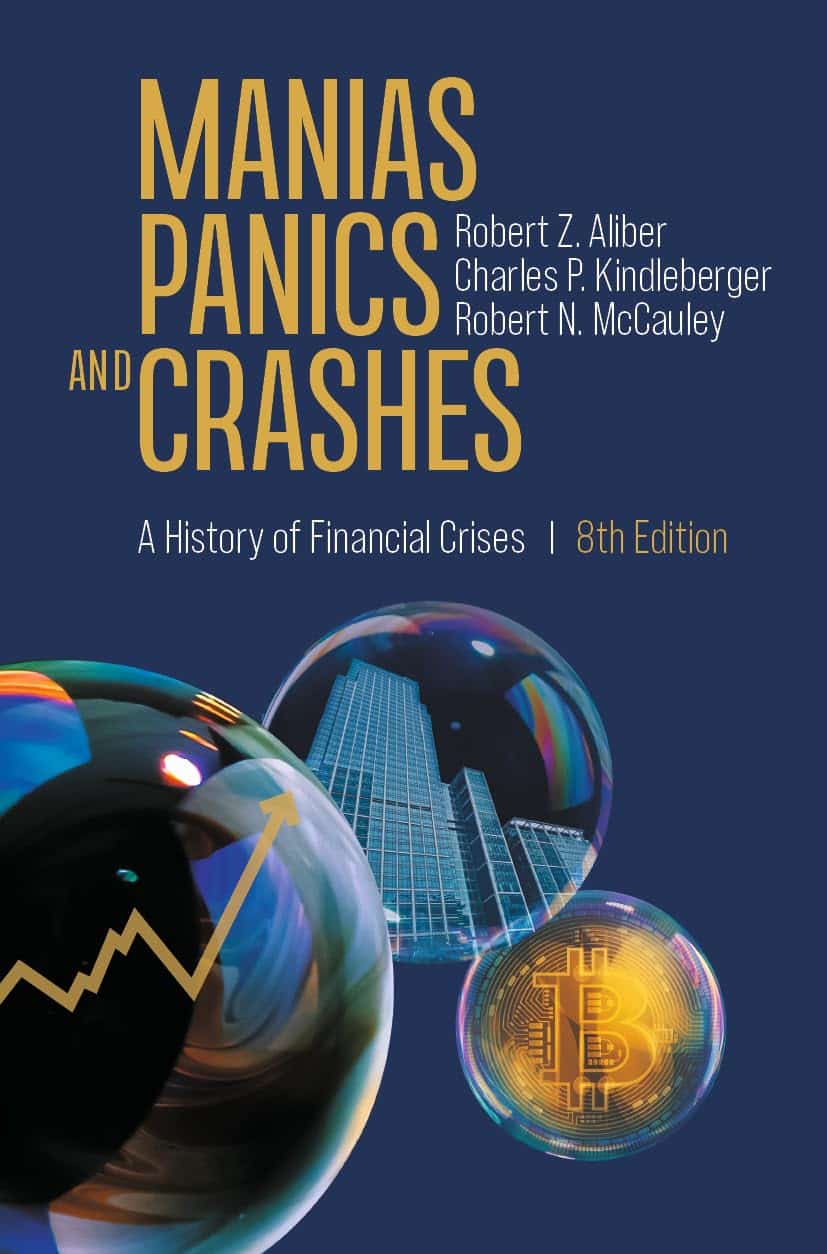
Speculators buy an asset because they expect the price to keep rising, not because they want the income generated by the assetCharles Kindleberger (1910-2003), an MIT economic historian, wrote what many consider the definitive book on speculative bubbles and financial panics, Manias, Panics, and Crashes: A History of Financial Crises (1978). He defined a bubble as
a sharp rise in price of an asset or a range of assets in a continuous process, with the initial rise generating expectations of further rises and attracting new buyers—generally speculators interested in profits from trading rather than in its use or earning capacity.
The fundamental bubble barometer is that speculators buy an asset because they expect the price to keep rising, not because they want the income generated by the asset. Indeed, most speculators don’t plan on holding the asset long enough receive any income. Genuine investors buy assets for the income and would buy an attractively priced asset even if they were prohibited from ever selling it.
In his 1938 treatise, The Theory of Investment Value, the great value investor, John Burr Williams (1900‒1989) put it this way:
The pure investor…would not need to concern himself with forecasting the course of the market, for if General Motors was really worth 50, he would get a fair return from dividends during the years to come even if the stock went down the day after he bought it and never touched the purchase price again, not even once during the next 100 years.
LLMs: High values but no profits
When it comes to companies like OpenAI that make large language models (LLMs), there is little or no income from the LLMs. OpenAI has never been profitable. It says that it will have cumulative losses of $115 billion before turning profitable in 2029, but it has a sordid history of being excessively optimistic. (Remember CEO Sam Altman’s claim that GPT-5 demonstrated PhD-level expertise on any topic?)
Yet OpenAI was valued at $852 billion in March 2026 when it raised $122 billion, making it (at that time) the largest private fundraising deal in Silicon Valley history.
Will OpenAI ever be profitable? Let’s think about their business model. In Berkshire Hathaway’s 2007 Annual Report to Shareholders, Warren Buffett wrote that
The worst sort of business is one that grows rapidly, requires significant capital to engender the growth, and then earns little or no money. Think airlines. Here a durable competitive advantage has proven elusive ever since the days of the Wright Brothers. Indeed, if a farsighted capitalist had been present at Kitty Hawk, he would have done his successors a huge favor by shooting Orville down.
Today, the worst sort of business is LLMs, an industry that “grows rapidly, requires significant capital to engender the growth, and then earns little or no money.” And no company has a “durable competitive advantage.” Yet, greedy speculators, mesmerized by the magic of LLMs, have paid scant attention to the economics.
This is hardly the first time that a gee-whiz technology has created a speculative bubble. In a 1999 interview, Buffett noted that (like airlines) cars, radios, and televisions were also “glamorous businesses that dramatically changed our lives but concurrently failed to deliver rewards to U.S. investors.” I would add bicycles, railroads, the internet, and generative AI to this list. In each of these cases, the technology was wonderful and enduring while the investment returns were fleeting.
There was a British railroad bubble (“railway mania”) in the 1840s. Similarly, after the Civil War, an American railroad bubble ended with one-fourth of all railroad companies going bankrupt, fuelling the Great Depression the 1870s. The Great British Bicycle Bubble of 1896 was sparked by the invention of “safety bicycles” which were safe, comfortable, and relatively inexpensive. Hundreds of bicycle companies were formed and then collapsed when the bubble popped.
There was an automobile bubble in the United States in the early 1900s, as speculators funded literally hundreds of car manufacturers. When the bubble popped, the industry consolidated into the Big Three: Chrysler, Ford, and General Motors. In the 1920s aircraft bubble, there were more than a hundred aircraft manufacturing companies and airlines. When the bubble popped, a handful survived, including Boeing/United Aircraft, Curtiss-Wright, and Douglas.
Looking at the overall historical pattern
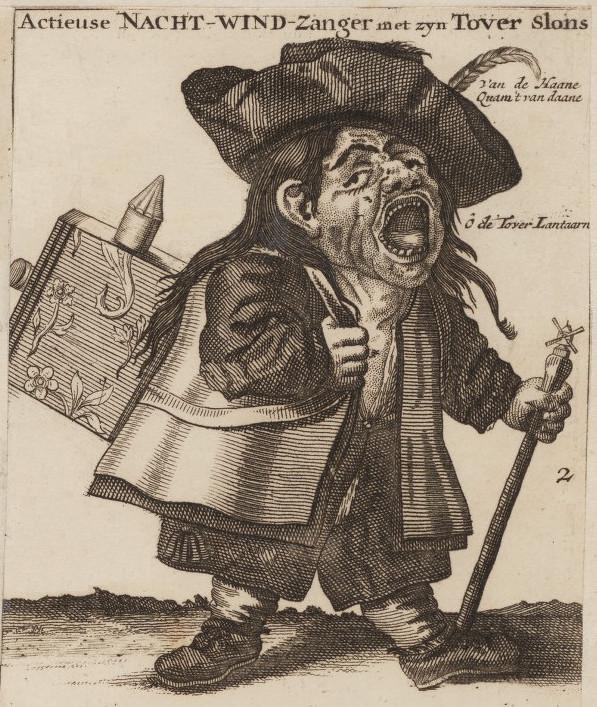
1720, leading to some reforms.
The pattern is clear and there is little need to describe the radio, television, and Internet bubbles. A great invention spurs the formation of far too many companies hoping to profit from the invention, far too much myopic funding of these companies, and preposterous valuations of these companies. Then the bubble pops, companies go bankrupt, and speculators bemoan the fact that they didn’t get out before the collapse. After James Milner, a member of the British Parliament, was bankrupted by the South Sea Bubble, he explained: “I said, indeed, that ruin must soon come upon us but… it came two months sooner than I expected.”
LLMs are here to stay and will surely change our lives. But there will also be a frightful crash when the AI bubble pops, just as there was for the bubbles that followed other great inventions with long-term benefits, including railroads, bicycles, automobiles, airlines, radios, televisions, and the Internet.
Unfortunately, the negative side effects of generative AI extend far beyond the financial losses from the deflation of a financial bubble:
- Their use for propaganda and scams
- The hollowing out of education
- The undermining of scientific research
- The generation of unreliable medical and psychological advice
- The replacement of human friendship
- Increasing socioeconomic inequality
- The strip-mining of the planet
It’s the worst sort of business.
