Personhood: What it really means to be human
Are we more like detachable Lego bricks or like parts of a body? A Mind Matters News podcast with Eric Jones explores thisIn the latest episode of the Mind Matters podcast, host Robert J. Marks and co-editor Brian Krouse spoke with psychologist Dr. Eric Jones of Regent University about his chapter in Minding the Brain (2023), “A Case for the Relational Person.” The discussion explores two competing models of personhood: the traditional “atomistic individual,” and Jones’s alternative, the “relational person.” The conversation raised questions about psychology, philosophy, and even artificial intelligence, all centering on what it really means to be human.
Two contrasting views of the person
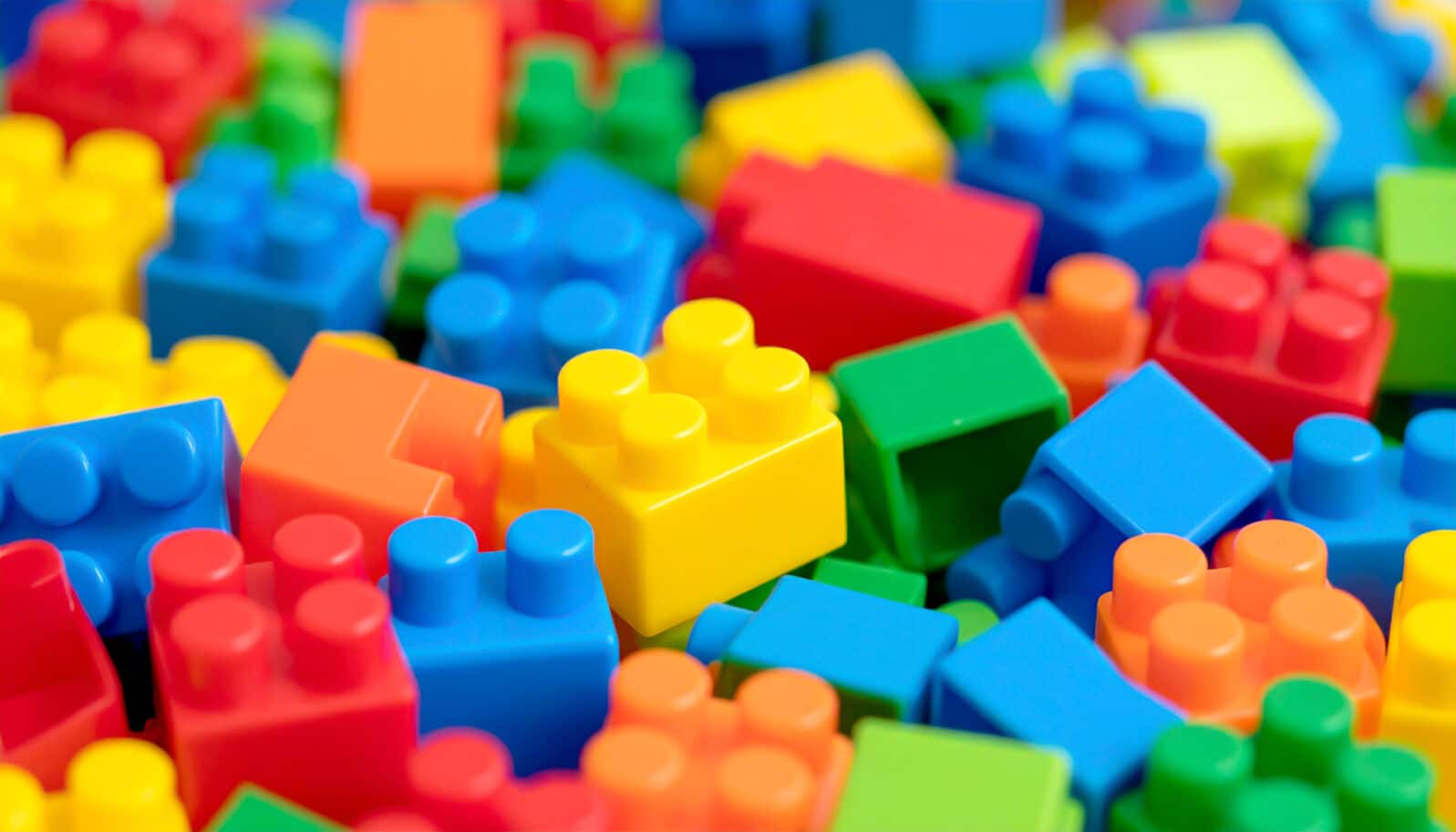
The atomistic view sees people as self-contained units. Jones compares this to a Lego brick: it can connect to others, but remains essentially unchanged whether alone or in a group. This model fits neatly with a materialist and individualistic culture, especially in the United States, where independence and self-sufficiency are highly valued.
In contrast, the relational view treats people as inseparable from the systems they live in. Jones uses the example of a hand cut off from the body. A hand still looks like a hand, but no longer functions as one. In the same way, a person without meaningful relationships may look like an individual but cannot function fully. Our connections with others, he argues, are not optional add-ons but essential to our very nature.
Why the difference matters
The model of the person that we accept affects how we interpret psychology. If people are atomistic, then social influences should be weak, and behavior is best explained by self-interest. If people are relational, then we would expect social ties to shape development, decision-making, and well-being. Jones argues that research consistently supports the relational model, even when researchers don’t frame it that way.
What does the evidence from research show?
Social influence
The famous Milgram obedience experiments showed that ordinary people would deliver harmful electric shocks when urged by an authority. A variation revealed that if one partner refused, 90% of participants also stopped. But if the partner continued, 90% went all the way. Such dramatic swings make little sense if humans are independent “atoms.” They make perfect sense if we are deeply shaped by our social connections.
Development
Attachment theory demonstrates that early bonds with caregivers form “attachment styles” that influence relationships throughout life. Jones also points to the Michelangelo effect, in which partners “sculpt” one another over time. Studies showing that close relationships literally overlap in people’s self-concepts. Taken together, these findings suggest that we become who we are through others, not apart from them.
Well-being
Belonging, according to a major review, is a basic human need. The COVID-19 pandemic, with even partial isolation, revealed how fragile people become when belonging is disrupted. Gratitude research also shows that well-being rises when thanks are expressed to others, not just silently felt. Self-esteem, long treated as an individual trait, is now better understood as a gauge of social inclusion. In other words, healthy self-regard flows from healthy relationships.
Lifespan studies
The Harvard Grant Study, one of the longest studies of human development, concluded simply: “Happiness is love.” The quality and depth of long-term relationships predicted life satisfaction more than wealth, success, or status. For Jones, this finding is exactly what a relational view of the person would predict.
Beyond psychology: Implications for AI
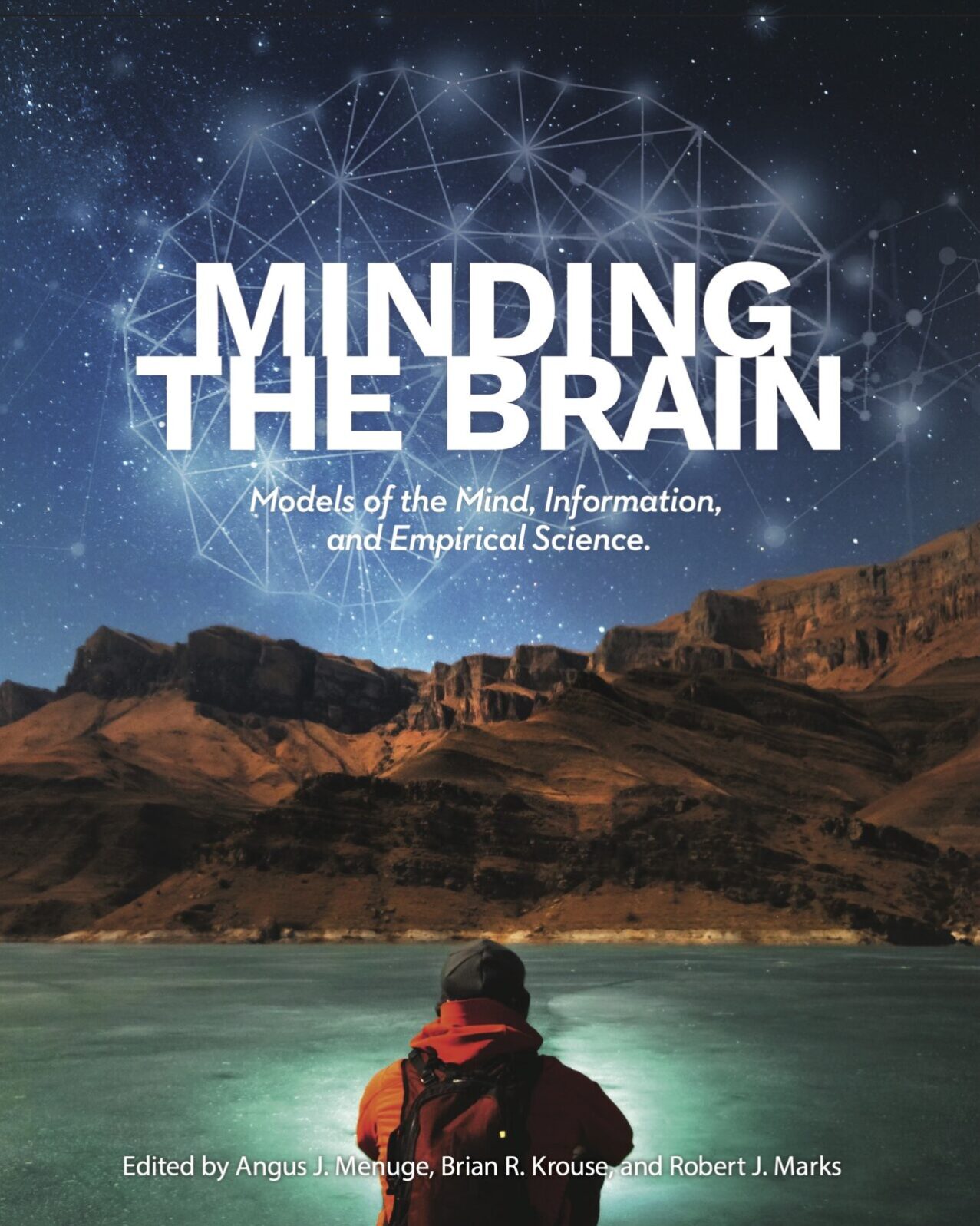
The book Minding the Brain also explores whether the mind is “more than the brain.” If humans are merely “computers made of meat,” then Artificial General Intelligence (AGI) might be achievable. But if personhood is essentially relational — emerging from embeddedness in networks of meaning and love — then machines may never duplicate it. AI might simulate individual problem-solving, but it could miss the heart of what makes us human.
Why the relational model is not mainstream
Jones acknowledges that his model is not widely accepted in psychology, though it is more common in philosophy and theology. He cites three obstacles:
- Hidden assumptions of materialism and atomism baked into research.
- Cultural individualism that celebrates independence and freedom from obligation.
- Institutional inertia in funding and publishing, which often discourages challenges to dominant frameworks.
Still, Jones notes moments of progress. For example, when psychologists reframed self-esteem from an intrapersonal trait to an interpersonal gauge, research results became clearer. Such shifts show that embracing relational assumptions can open new insights.
Practical lessons
The relational model has practical consequences:
- For individuals: True growth comes from investing in meaningful relationships.
- For education and therapy: Programs should emphasize belonging and social skill-building, not just self-esteem boosts.
- For leadership and communities: Healthy groups are built on interdependence, not myths of lone geniuses.
In short, flourishing is less about “me” and more about “we.”
Conclusion
Dr. Eric Jones’s case for the relational person challenges the dominant assumption that humans are isolated individuals. The Lego-brick view is tidy but shallow; the hand-in-the-body view is complex but true to life. From development and social influence to lifelong well-being, the evidence points in the same direction: humans are not islands. We are, at the core, relational beings.
