Mind Matters Natural and Artificial Intelligence News and Analysis

TagSentience (in invertebrates)

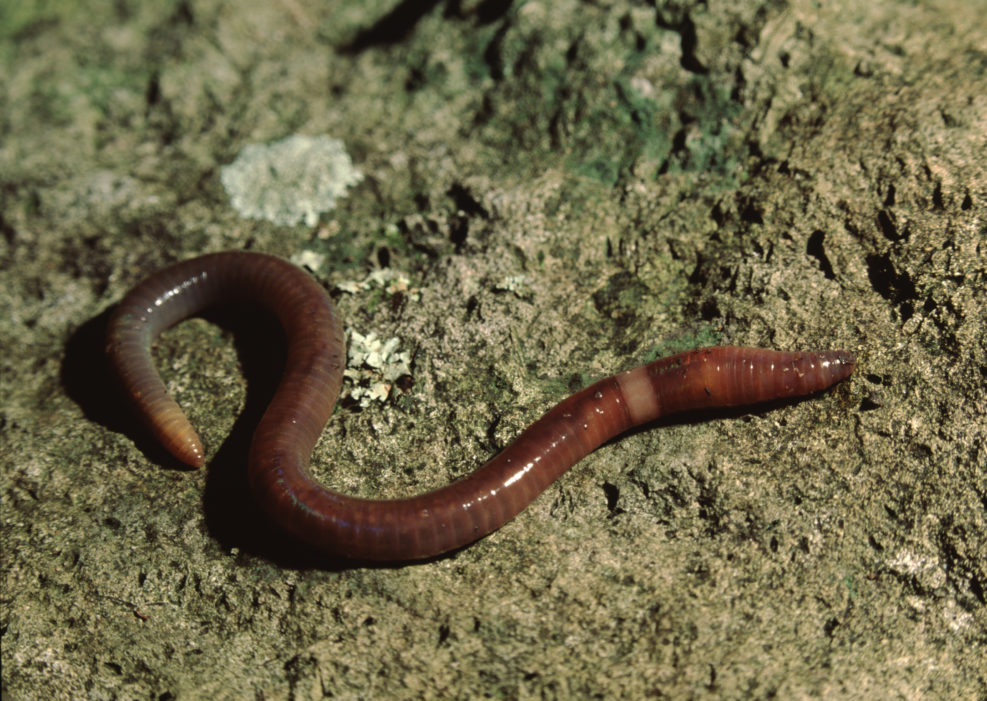
common-earthworm-lumbricus-terrestris-stockpack-adobe-stock
Common Earthworm (Lumbricus Terrestris)

Evolutionary Psychologist Argues That Worms Feel Pain. But How?

Wait. Barash’s hypothesis overlooks the fact that suffering is more than an alarm system. An alarm could be going off in an empty building

If some invertebrates show much more self-awareness than expected, it hardly follows that all do. We risk impeding humane reforms if we cast the net too widely.

Read More ›
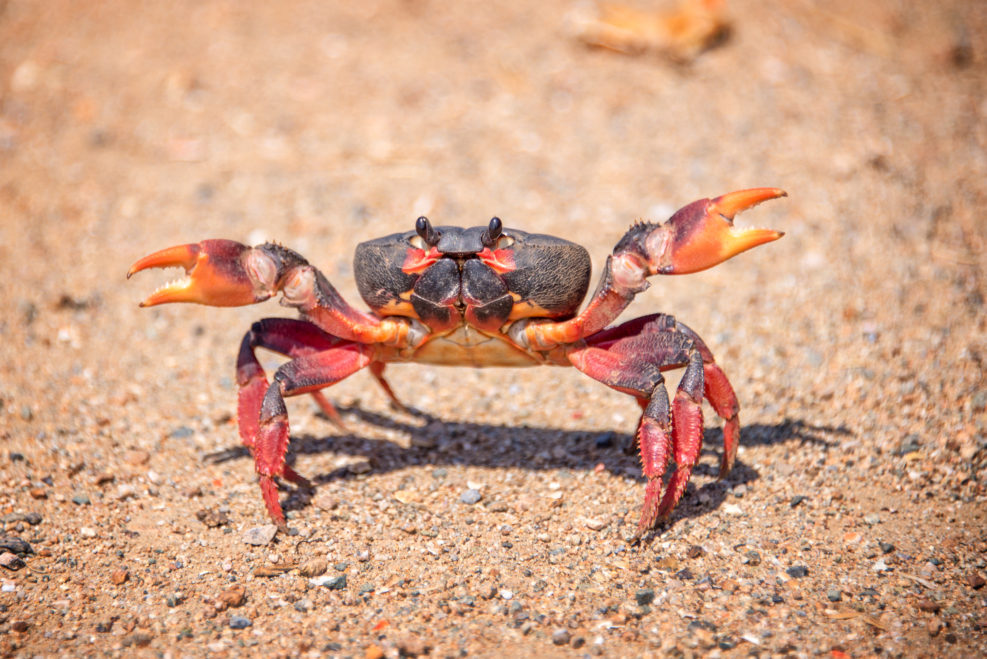
crab-close-up-cuba-stockpack-adobe-stock
Crab close up, Cuba

How Could We Know If an Octopus or Lobster Felt Pain?

Researchers found that, when it comes to awareness, octopuses were the stars, followed by lobsters, crayfish, crabs, etc.

Some researchers, commissioned to find out, offered their wrap-up thoughts at Phys.org recently. They started applying the same standards to octopuses as are applied to mammals that are lab animals. Specifically, they used eight criteria for determining sentience — in the sense that, if you did the same thing to a dog and got the same reaction, would you assume it was pain? The results have been interesting: We found the strongest evidence for sentience in cephalopods. Octopuses were the stars. With around 170 million brain cells, they have higher brain-to-body ratios than most reptiles and fish. This allows octopuses to perform remarkable feats of learning and memory. Octopuses also behave in ways that point strongly to experiences of pain. Read More ›