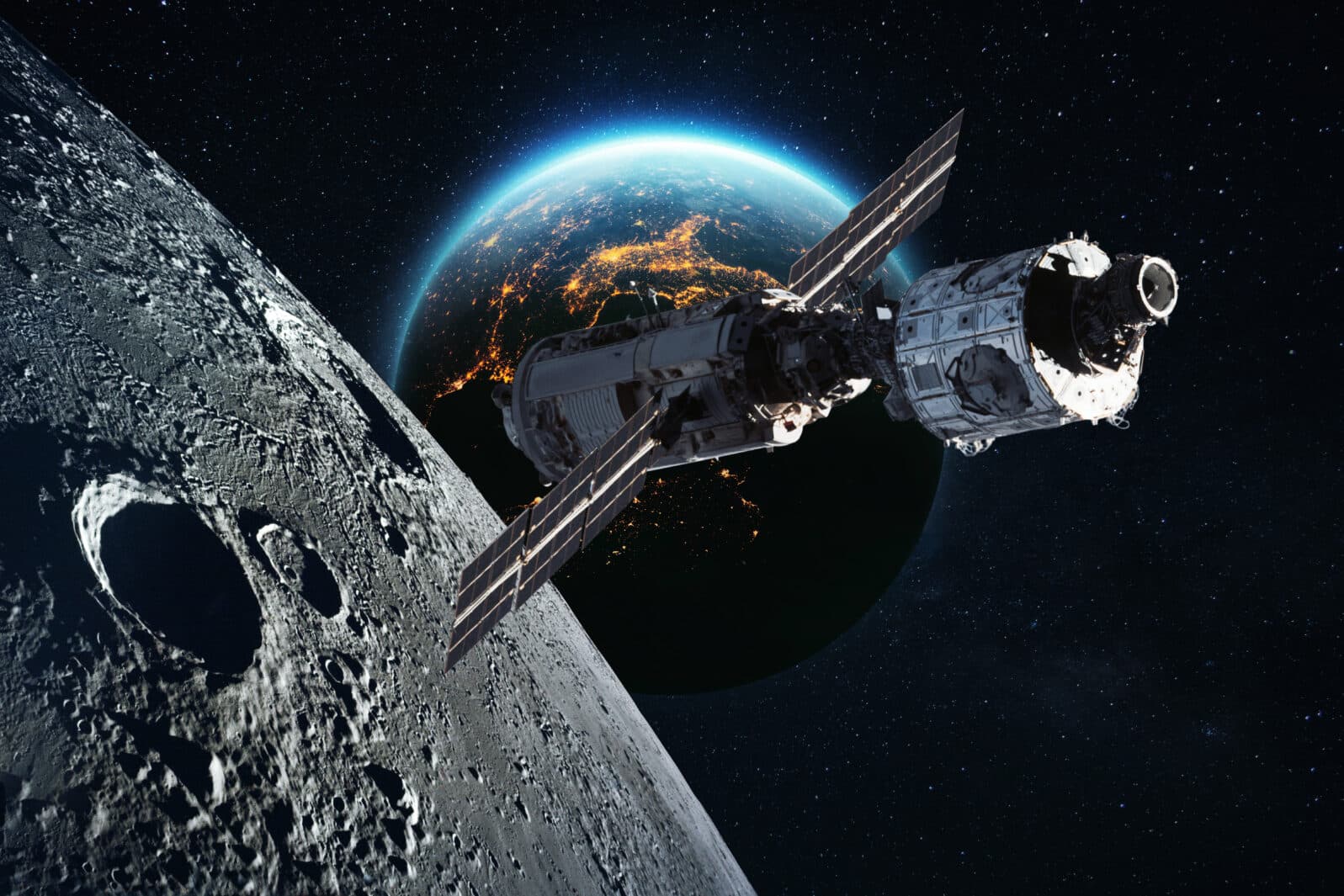
Space travel: The future is slowly becoming everyday reality
Catch the vibe at COSM 2025. Oh, and we’ll also be talking about the national debt…A groundbreaking discussion is coming up at COSM 2025 between Eric Schmidt, former chairman and CEO of Google, and George Gilder on today’s burgeoning space industry.
Earlier this year, Schmidt acquired a controlling interest in Relativity Space, which is “on a mission to better connect humanity to space and the universe beyond our planet.”
Sounds far out? You’re right.
But the remarkable fact is that routine commercial space travel is also really starting to happen. With what implications?
At Ars Technica, senior space editor Eric Berger commented earlier this year,
It is not immediately clear why Schmidt is taking a hands-on approach at Relativity. However, it is one of the few US-based companies with a credible path toward developing a medium-lift rocket that could potentially challenge the dominance of SpaceX and its Falcon 9 rocket. If the Terran R booster becomes commercially successful, it could play a big role in launching megaconstellations.
“Former Google CEO Eric Schmidt is the new leader of Relativity Space, March 10, 2025
Relativity Space likes to call itself a “customer-centric rocket company.” When we hear a tag line like that, we know times have changed.
Tech strategy planner Bob Kelly will host the discussion, Thursday, November 20, at 10:00 am. Be there. Register here.
Note: Nobelist John Clauser will not, unfortunately, be able to join COSM 2025. But much else is happening.
On a more down-to-earth, somewhat gloomier note…
The luncheon keynote discussion at noon on the Thursday will feature Steve Forbes, Editor-in-Chief of business mag Forbes. He will be talking about the debt crisis with business prof Mark Skousen and business editor and author John Tamny, along with George Gilder.
Debt crisis? According to GovFacts, “The United States faces a mounting fiscal challenge that affects every American: a national debt exceeding $37 trillion and growing rapidly.”
Editor Forbes is asking the panelists, “Has the bill come due?” They will likely approach the topic from different but interlocking perspectives:
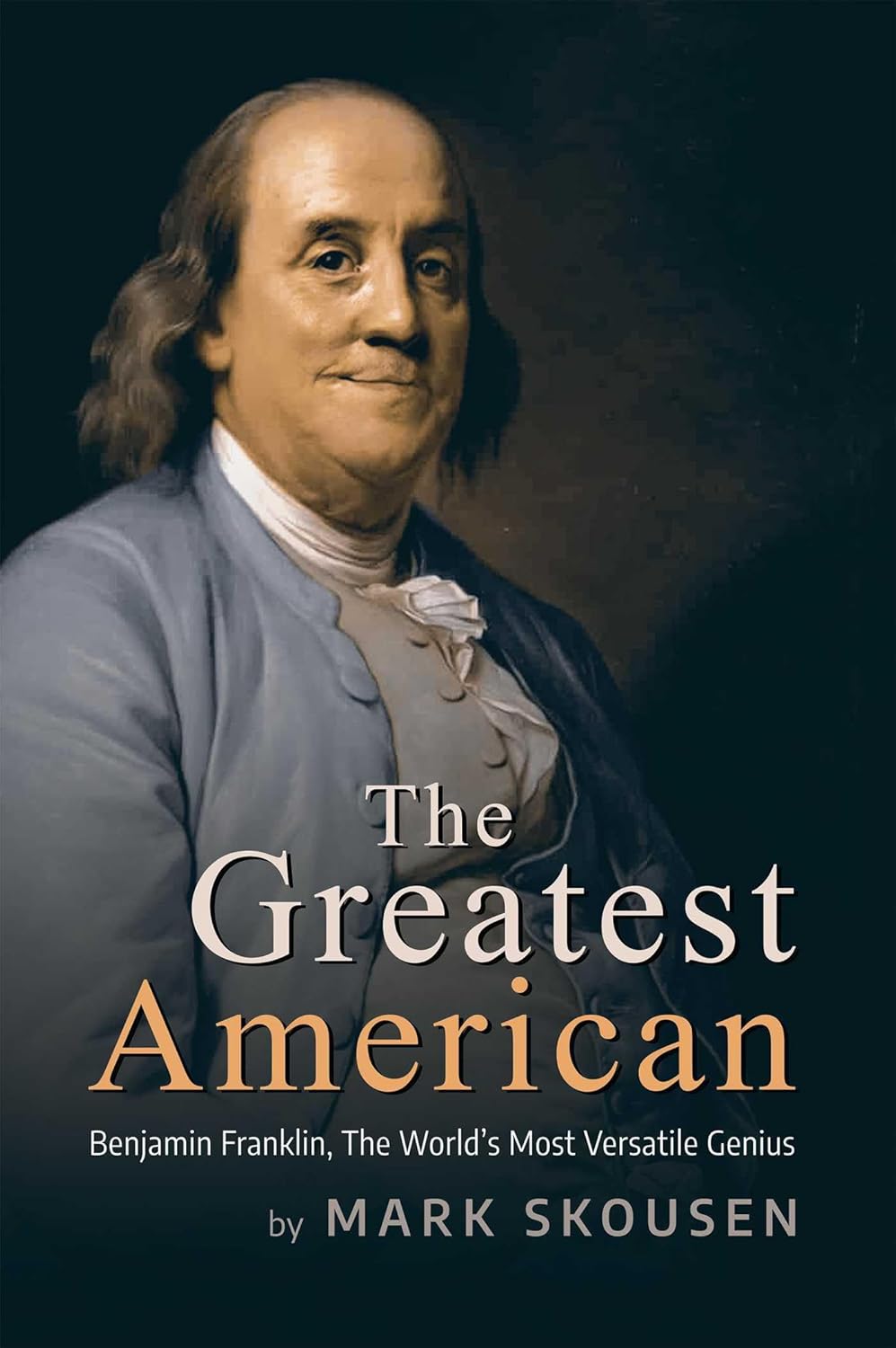
Skousen, for example, says straightforwardly, “The national debt crisis that we have been warning about for years is finally coming to a head.” As the author of The Greatest American: Benjamin Franklin (2025), he is pretty sure that his subject would frown on current policies.
Tamny, author of The Deficit Delusion (2025), points out that, actually, government debt is “a logical and perilous effect of market optimism about rising tax revenues now, and much more dangerous, the expectation of exponentially more tax revenue in the future.”
Forbes, for his part, thinks that government should begin by eliminating impressive but empty dramas from the scene: “The debt ceiling does nothing to enforce fiscal discipline—and threatens real economic harm. Congress should drop this outdated and dangerous charade.”
Gilder, meanwhile, has argued in The Scandal of Money (2016) that “a zero-interest-rate policy and governments’ control of rates paid on the national debt represent a futile and economically destructive war against time (142).”
Between them, these business and economics thinkers have pondered the problems for a century and a half. They can surely provide the COSM attendee with a good place to begin to understand the options for change.
Here’s the agenda and all the speakers Register here. If you register before November 1, you can still get the $1450 rate.
