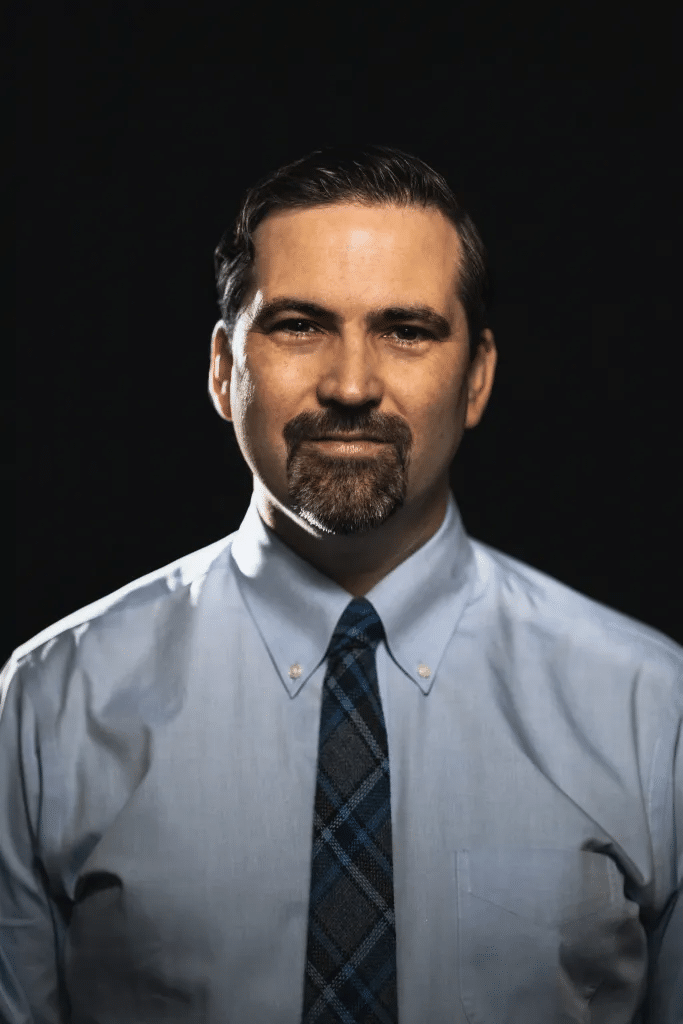
Andrew McDiarmid, known to many of our readers as a thoughtful podcast host and writer, has published an op-ed in the Chicago Tribune this morning: “AI can’t function without our creativity. What does that tell us about humanness?”
Claiming that AI can do anything from therapy to laundry is all the rage these days. But, he says, here is what gets overlooked:
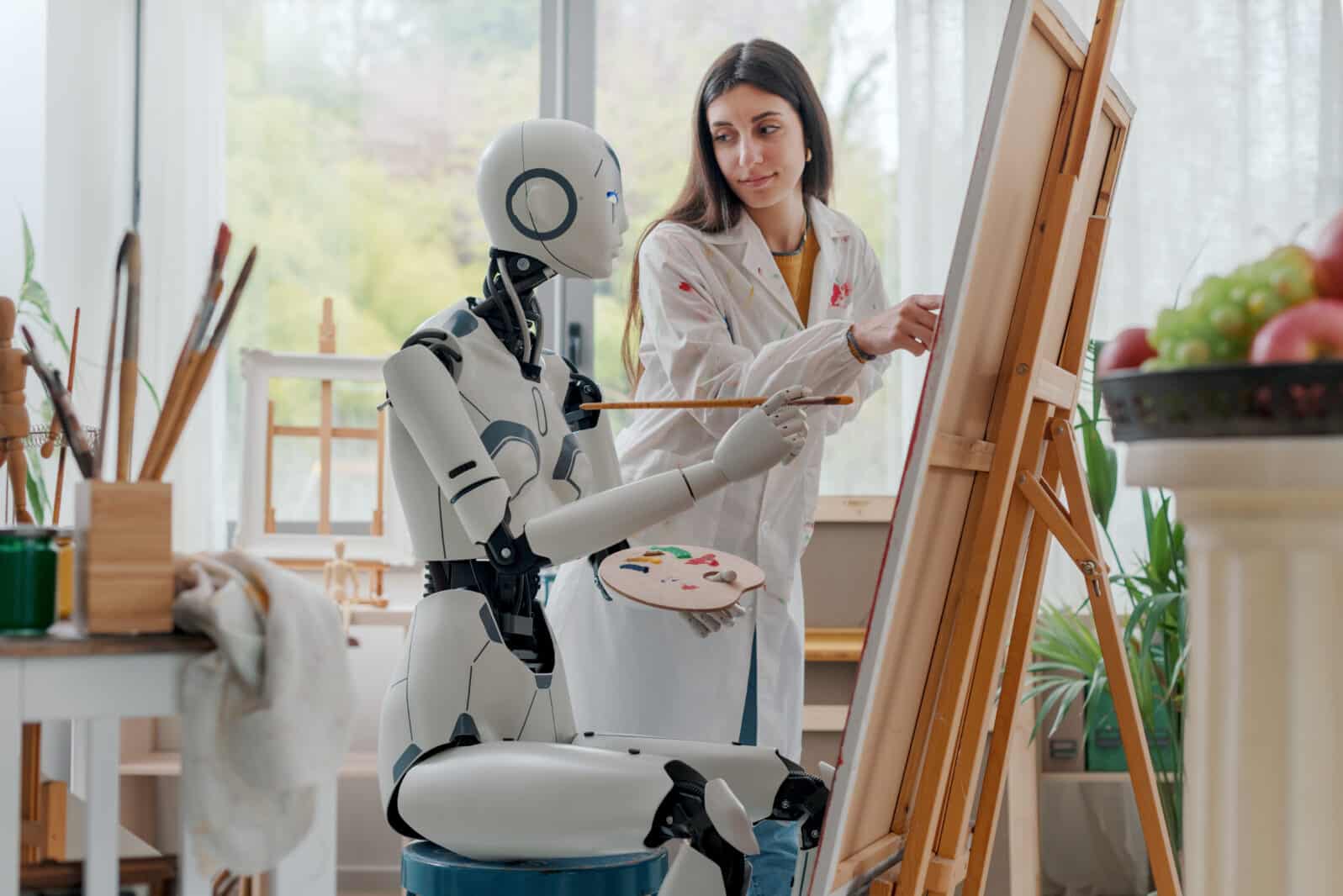
But what we recognize as creativity in AI is actually coming from a source we’re intimately familiar with: human imagination. Human training data, human programming and human prompting all work together to allow our AI-powered devices to converse and share information with us. It’s an impressive way to interact with ourselves and our collective knowledge in the digital age. And while it certainly has a place today, it’s crucial we understand why AI cannot create and why we are uniquely designed among living things to satisfy a creative urge.
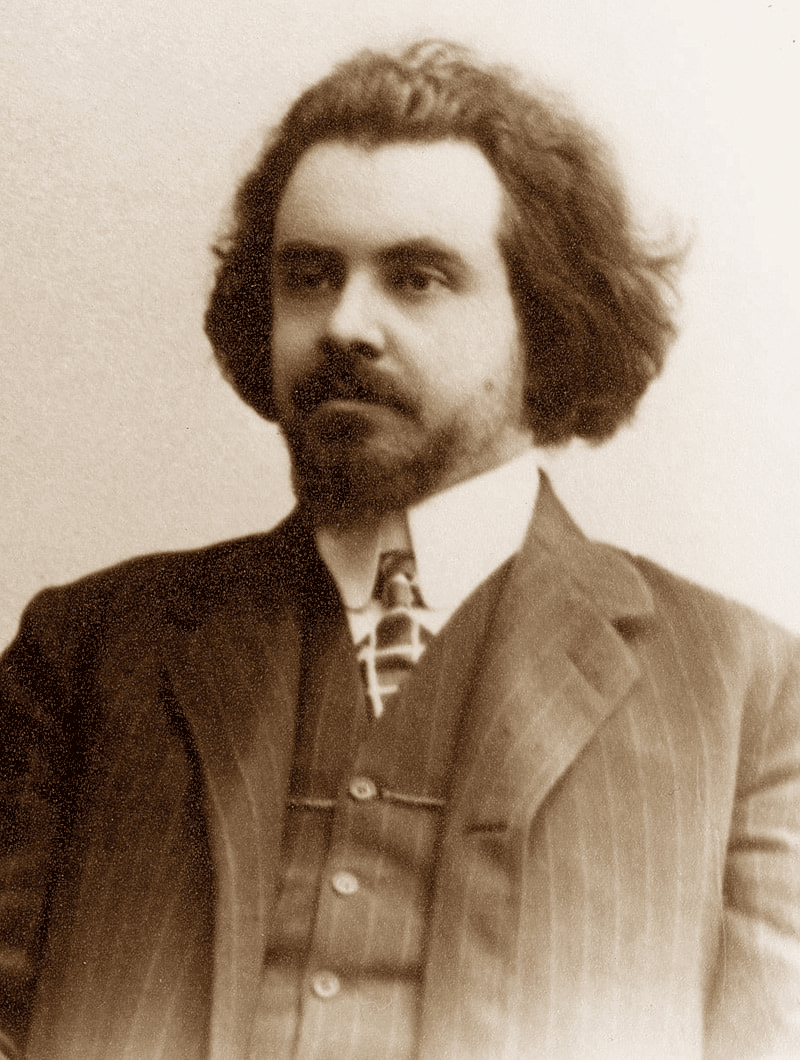
A century ago, Russian philosopher Nikolai Berdyaev argued that human creativity springs from freedom — the capacity to bring forth what wasn’t there before. He considered creativeness the deepest mark of the humanness in a person, a spark that reflects the divine image in us. “The creative act is a free and independent force immanently inherent only in a person,” Berdyaev wrote in his 1916 book “The Meaning of the Creative Act.” He called creativity “an original act of personalities in the world” and held that only living beings have the capacity to tap into fathomless freedom to draw out creative power. (January 31, 2026)
We hope to publish the whole piece for you here later.
I never remain passive in the process of reading: while I read I am engaged in a constant creative activity, which leads me to remember not so much the actual matter of the book as the thoughts evoked in my mind by it, directly or indirectly.
The will to originality is not the will to be peculiar and unlike anybody else; it means the desire to derive one’s consciousness from its primary source.
Bread for myself is a material question. Bread for my neighbor is a spiritual one.
Stay tuned. Also watch for Andrew’s upcoming interview on the deep mystery of terminal lucidity (when dying people suddenly become very lucid), featuring psychologist Alexander Batthyány and neurosurgeon Michael Egnor.
McDiarmid: The Critical Flaw in Thinking AI Can Do Just Anything