Glued to Our Phones. Our Troubling Addiction to Social Media
It's disconcerting to see people out for a nature walk — completely absorbed in the traffic on their phonesIt has been 14 months since I was hit by a car while road biking, but I am back in the saddle now. I am riding 20 miles once or twice a week and planning to get back up to 30 miles soon. On my ride this past weekend, Margaret and I averaged a little over 10 miles an hour. That’s fine for my age but also a bit embarrassing. We did 20 miles in 2 hours. Elite marathoners run 26.2 miles in 2 hours!
We did have some steep hills to go up and down. I go slowly both ways. I am necessarily slow going up and cautiously slow coming down. But even when we were boogying along flat stretches at 13 miles an hour, elite marathon runners could be running next to us — and can run that fast for 26.2 miles! It is pretty humbling to think that, while we are setting what seems to be a fast pace on our efficient road bikes, a person could run with us at the same pace!
 Image Credit: nullplus -
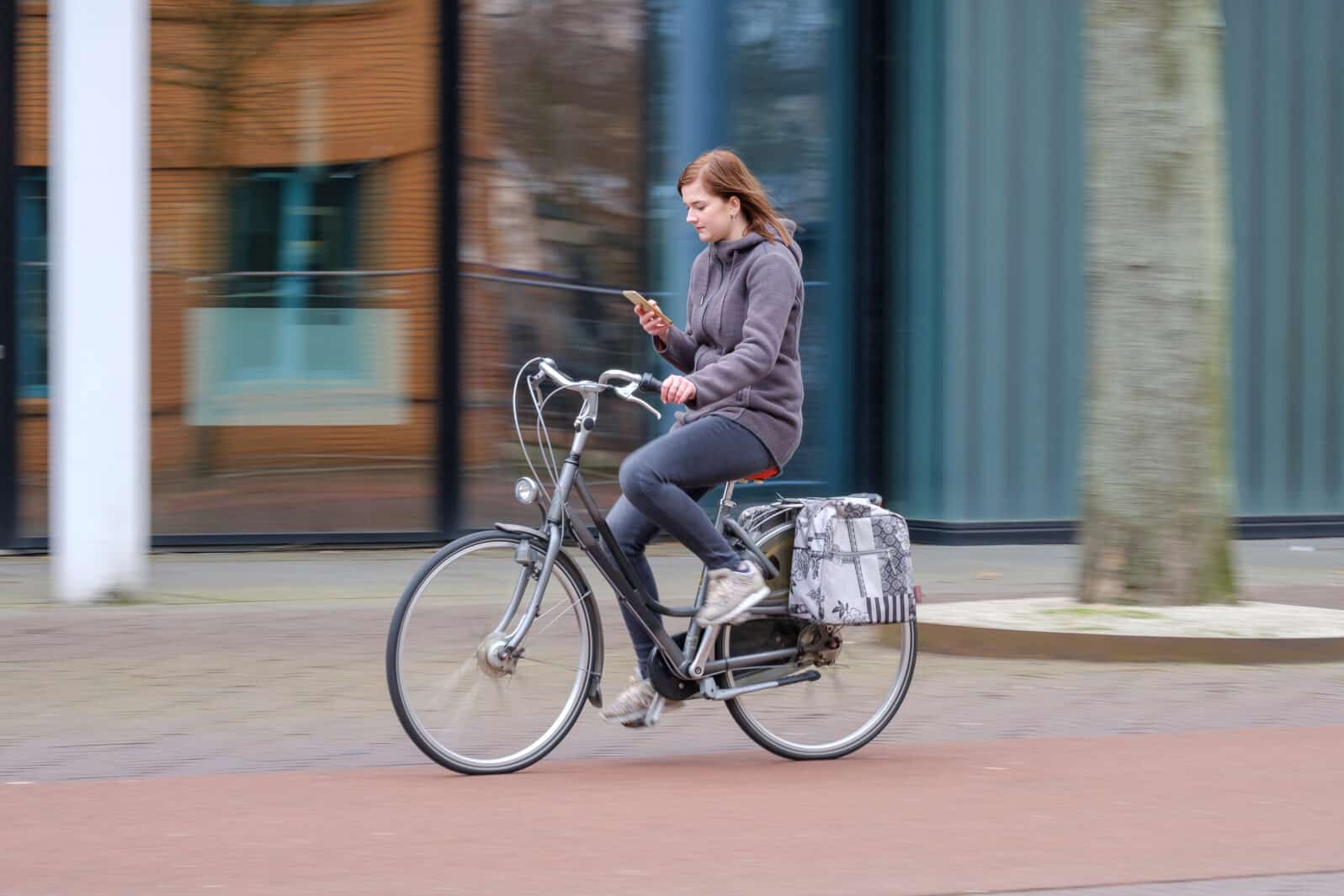
 Another thought, and what I mainly want to write about today, is that we saw lots of other people out biking walking, and running — getting some exercise on a beautiful fall day in Southern California. What was disconcerting was how many of the walkers had their eyes glued to their phones, completely ignoring both the beauty all around them and the people they were walking with.
We even saw several runners and one biker texting. Are we so addicted to social media that we cannot put our phones down for an hour or two and appreciate nature and our friends? Apparently so.
I am similarly dumbstruck when I see two people sitting across from each other at a small table in a restaurant and they both have their phones out, texting away and ignoring their dining companion. When one person puts the phone down, the other typically continues texting, completely ignoring them. Occasionally, they both put their phones down — but only briefly. Soon a little ping signals a new message that must apparently be read and responded to immediately.
An expensive phone check
One of my sons used to play a telling game with his friends when he was in high school. When they went to a restaurant together, they would all put their phones in the center of the table. The first person to check their phone had to pay for everyone else’s meal. It seldom took long for someone’s will to crack. They just had to, had to, see if they had gotten any interesting messages. They couldn’t wait until the meal was over because there is evidently an irresistible psychological need to check — just in case something interesting had happened.
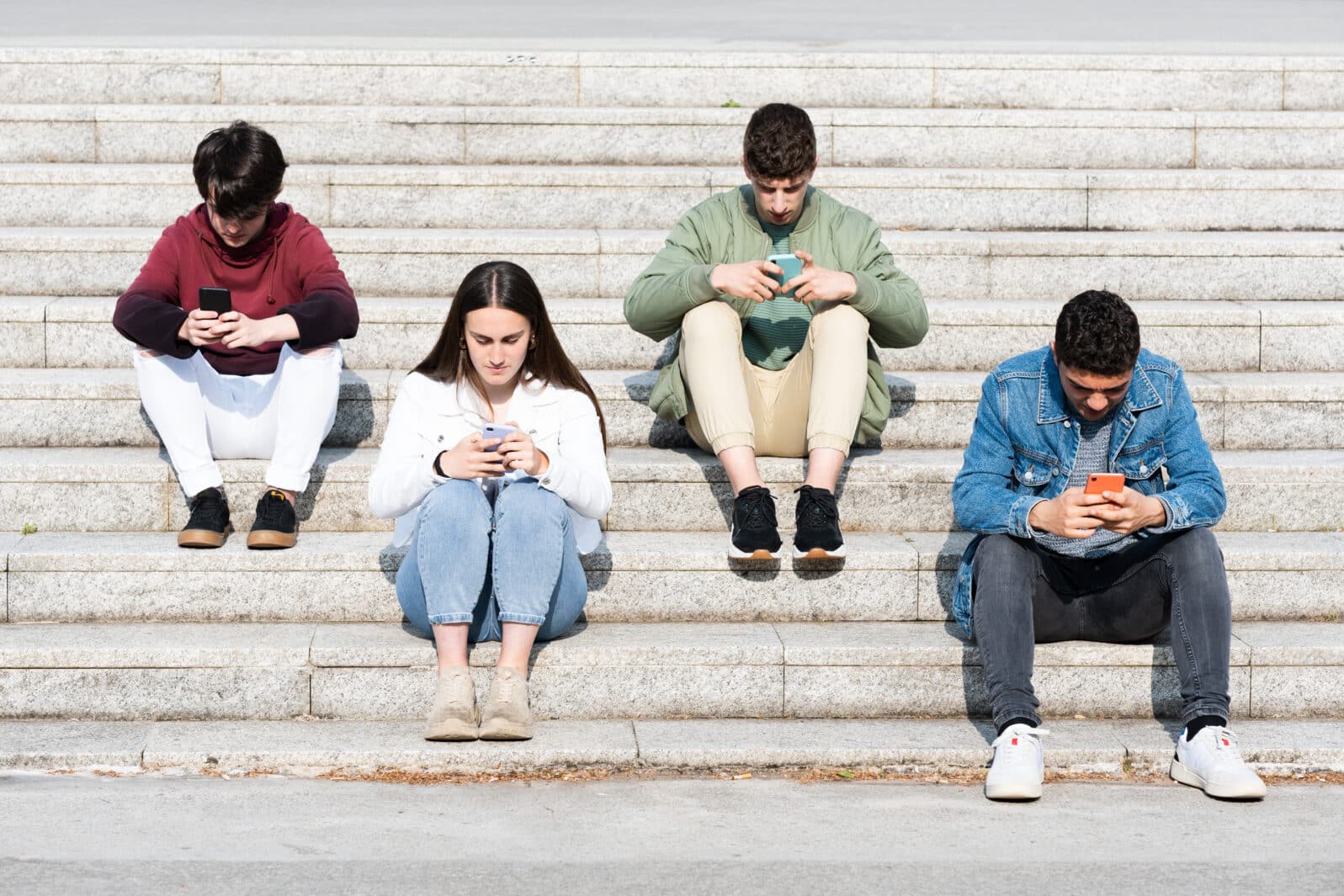 Image Credit: Egoitz -
 The physiological explanation for our addiction to social media is that nerve tracts in our brains release the feel-good chemical dopamine when we experience something positive like appealing food, shelter, or mates. This built-in reward system helped our distant ancestors survive and reproduce. And as the saying goes, “You can take the man out of the cave, but you can’t take the cave out of the man.”
Today, we get feel-good bursts of dopamine from social media posts, comments, shares, and likes. The immediate gratification is brief and fleeting, so we keep coming back for more, compulsively checking our phones for something that will give us another burst. The unpredictability adds to the obsession, the same way that slot machines hook gambling addicts with infrequent payouts.
The social media system is designed to work this way
The social media titans know this. They design the algorithms used on their platforms to hook us with repeated shots of dopamine by keeping us engaged, keeping us scrolling, keeping us clicking links, keeping us checking for updates. The second biggest period of brain development is adolescence; thus, adolescent brains are especially susceptible and responsive to dopamine-fueled addiction.
I have compared social media addictions to tobacco and opioid addictions. They are harmful and the purveyors know they are harmful, but their lust for profits swamps any moral reservations they might have.
Social media addictions are strongly linked to many mental health issues (particularly for teenage girls). They are also undermining education and replacing human friends with fake friends. What can be done?
Possible remedies
A month-long social media holiday might break the addiction but how do we summon the collective will to try? Should we start nationwide Social Media Anonymous (SMA) groups, similar to Alcoholics Anonymous (AA) and Gamblers Anonymous (GA)? I have a strong libertarian compass but maybe social media needs to be strongly regulated, including strictly enforced age restrictions, the same way that tobacco, heroin, opioids, and other dangerous addictions are regulated.
One thing I am confident about is that the social media giants who are enriching themselves by exploiting unhealthy addictions are not going to regulate themselves in any meaningful way. This past February, Elon Musk said that the “the fundamental weakness of Western civilization is empathy.” Nope. The fundamental weakness of Western civilization is greed.
