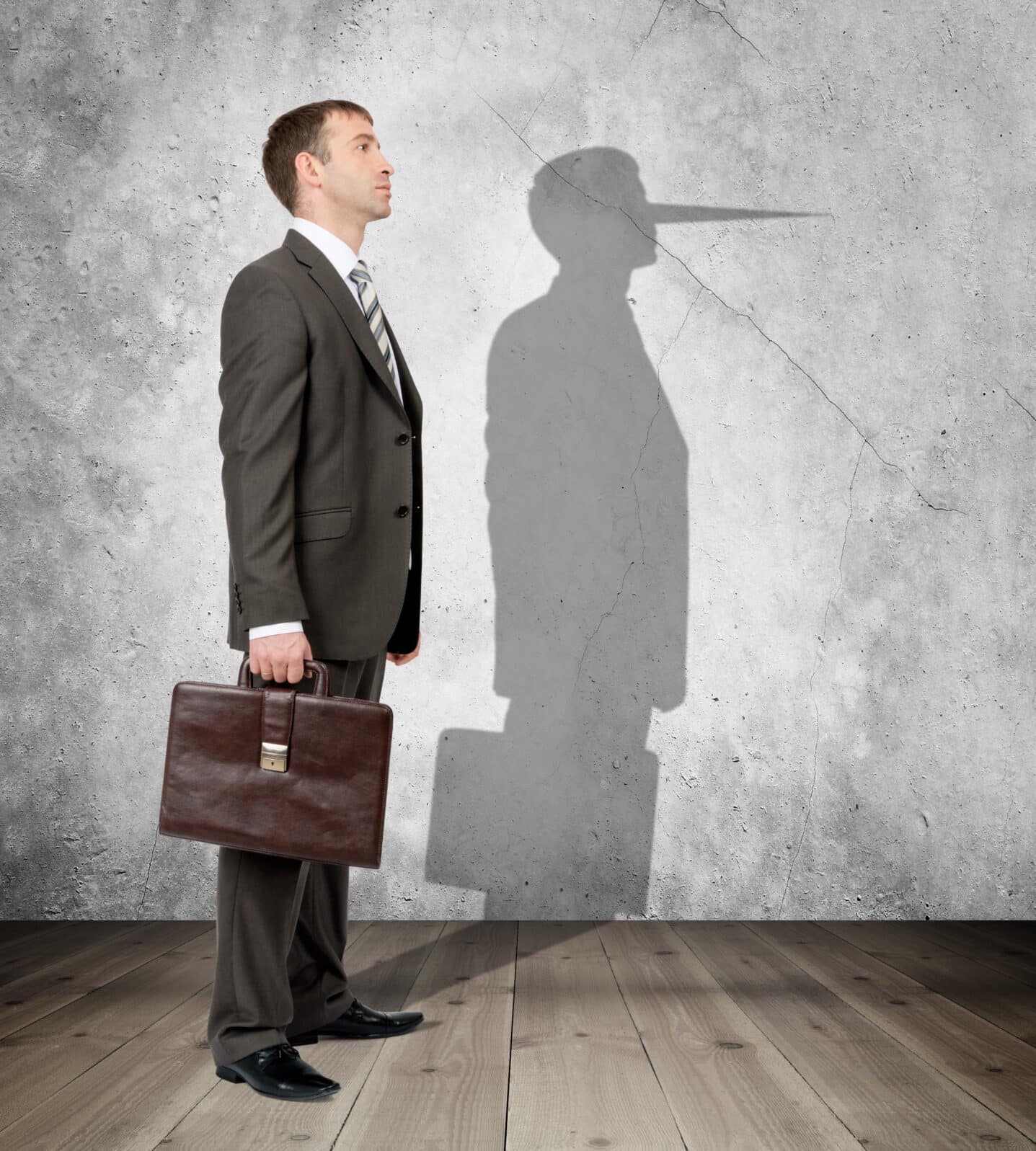
Lying: Sam Harris Buckled Under the Weight of Absolutism
Part 1: Having written a book on why it is always wrong to lie, he shamelessly buckled when a particular outcome mattered to himIt doesn’t take many words to expose the flaw in Sam Harris’s philosophy. So I’m honestly surprised that more people haven’t identified it outright. Let’s take a closer look.
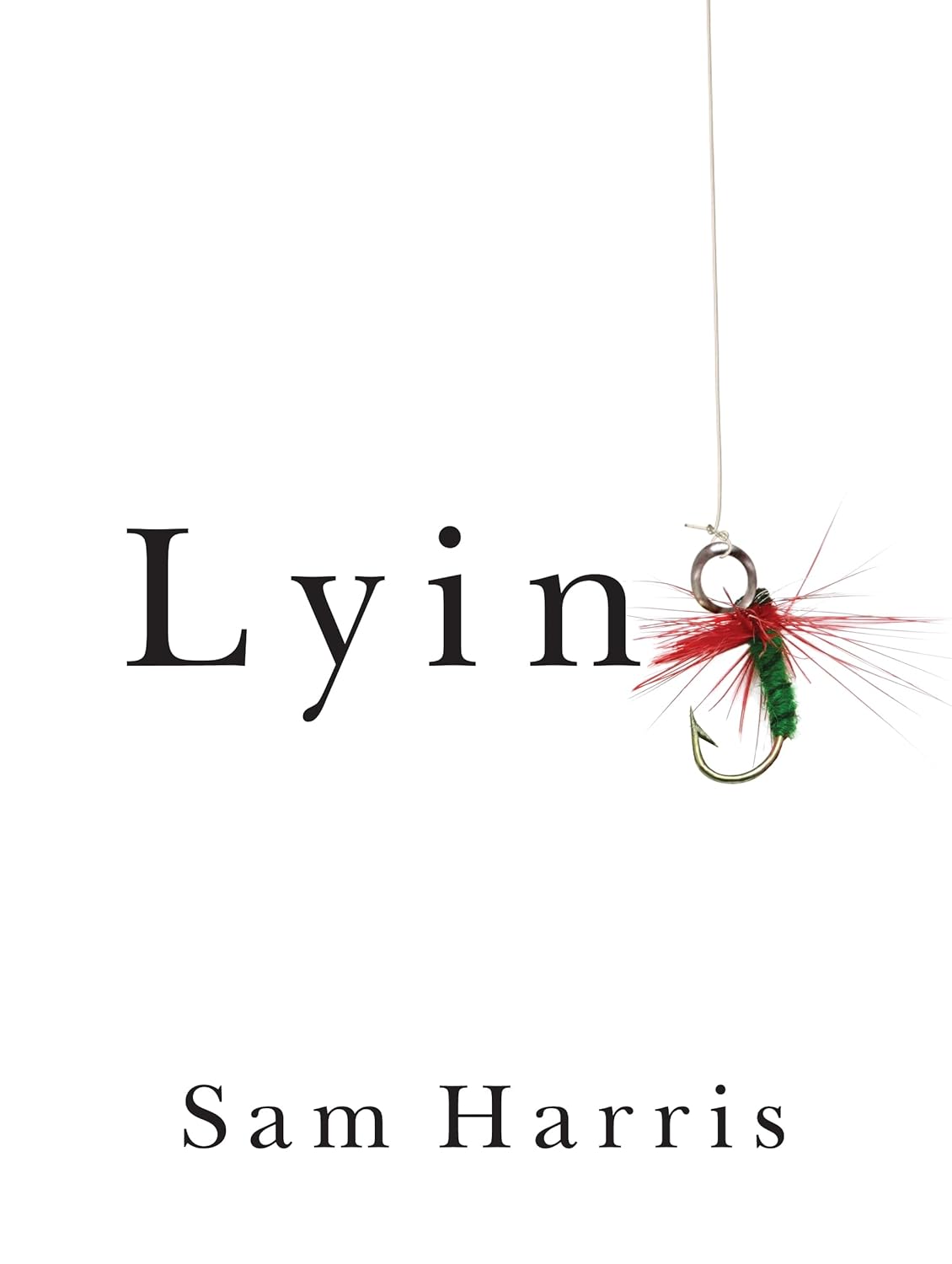
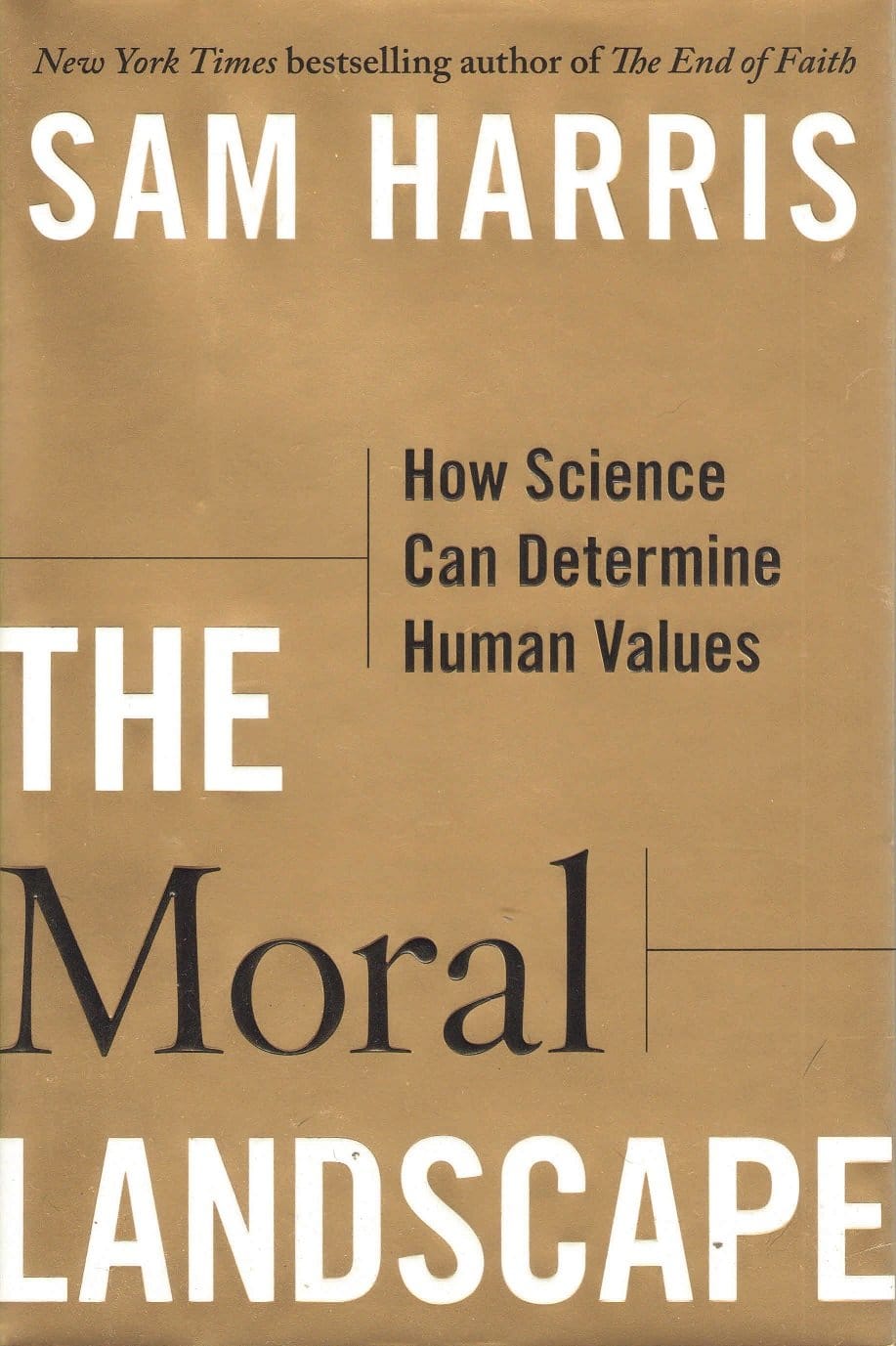
For nearly two decades, Sam Harris positioned himself as a voice of moral clarity. In The End of Faith (2004), he attacked religion as a source of irrational dogma. In The Moral Landscape (2010), he argued that science could determine human values. In Free Will (2012), he denied the existence of choice but still insisted that ethics required intellectual honesty. And in Lying (2011) — a slim, absolutist volume — he declared that honesty is a moral imperative. Not just generally, but always. “By lying,” he wrote, “we deny our friends access to reality —and their resulting ignorance often harms them in ways we did not anticipate.”
That was the stance: honesty above all. No white lies or “strategic omissions.” Almost. Harris carved out — thank you! — an “Anne Frank” exception, when the truth leads to atrocity. Nazis (real Nazis) banging on your door is quite the exception.
But what happened then?
Then came COVID. And the 2020 election. In 2022, Harris justified burying truth about Hunter Biden, when the truth might cause a vote he didn’t like. Hardly an atrocity, by any stretch. The point here is not how to square this circle by finding out how to make desired political outcomes fit Anne Frank. It’s that there’s a lurking contradiction in the heart of his earlier morally charged exhortations:
If you are harboring Anne Frank in your attic and the Nazis come to the door, and they ask if you have any Jews in your house, the fact that you would lie — and, indeed, should lie — does not suggest that lying is generally acceptable.
—Harris, Lying, 2011
Lying is, as we all (sometimes) know, not “generally” acceptable. But most of the world runs on lies that could be described as prudential considerations. They aren’t atrocities but can become so very soon if we’re dumb enough to tell the truth. So let’s continue along this sad path of unraveling an entire philosophy.
COVID really hit hard. And Harris didn’t like the man he feared would be president then. Suddenly, he decided that some things were too important to talk about. He went silent on vaccine tradeoffs. He refused to engage dissenting views on his podcast. And in an August 2022 appearance on the Triggered podcast, he said something extraordinary: “It doesn’t even matter if Hunter Biden had the corpses of children in his basement — I would not have cared.” Because, in his view, the only acceptable outcome was defeating Donald Trump. And if that meant suppressing the laptop story, so be it.
Blurting this out in a moment of philosophical dysphoria put the smell of blood in the water for his critics. But most people still don’t see the greater signficance of what he did: He contradicted literally everything he was saying before. Full stop. I’m amazed, I really must say.
But is moral absolutism viable anyway?
Lying wasn’t a loose case against deception but a categorical scream from the mountain top. I found myself anxious, even guilty, trying to engineer mechanical perfection in truth-telling. I’m sure many of his other readers took on board his puritanical and philosophically shiny stance and did some moral recalibration too. But then I realized that no part of the entire world works that way. And unlike Sam’s bizarro fantasy, we’d all be much worse off if it did.
Harris argued that lying — even with good intentions — leads to unintended consequences. He announced triumphantly that deception for the “greater good” inevitably erodes trust, distorts perception, and builds systems that can no longer correct themselves.
Bro. Read this: The unintended consequence of Harris’s obsession with unintended consequences is that his cure creates the very disease he fears. If lying breeds chaos, so does truth-telling in the wrong contexts. Honesty can be just as destabilizing as deception, which means prudence, not absolutism, has to govern.
Next: What if we apply Harris’s “no lies” rule to foreign affairs?
