Hal Philipp: From Touchscreens to Tough Love on Wellness
In a podcast with computer science professor Robert Marks, the gifted inventor makes a case for a simpler, stronger life via nutritional awarenessHal Philipp is best known for inventions millions of people touch every day — automatic faucets, reliable door sensors, and the modern touchscreen. After selling his company, he set a new target: living long and living well. In a conversation with Robert J. Marks, Philipp sketches a philosophy of health built on food discipline, metabolic common sense, and habits that make the body “anti-fragile.”
Philipp’s motivation is personal. In his early 70s with two young children, he wants to meet his grandkids and be mentally sharp when he does. His mother lived to 99 but suffered dementia late in life. That prospect galvanized him to pursue longevity with quality, not just years on a calendar.
Focusing on likely culprits
Philipp’s turning point came swiftly. After a close relative developed diabetes, he emptied his kitchen “almost overnight,” ditching cereals, breads, ultra-processed snacks, and seed-oil-laden pantry staples. In their place came whole foods and a low-carb, high-protein, high-fat diet pattern akin to the Atkins approach. His weight fell from about 210 down to 165 lbs. and his metabolic markers improved.
His principles are simple: Eat foods our bodies historically recognize, avoid manufactured shortcuts, and stop eating long before you’re stuffed. Counting calories, in his view, is a distraction.
Some will find Philipp’s nutrition views contentious. He is not a medical professional but has spent considerable time studying the field. We encourage readers to review his claims independently. Discussion of his health philosophy here does not imply endorsement.
Philipp’s case against seed oils
If there’s a clear villain in Philipp’s narrative, it’s seed oils and the ultra-processed foods that contain them. He argues these industrial fats — extracted, bleached, deodorized, and refined — oxidize easily, lodge in tissues, and stoke chronic inflammation. Pair them with pulverized, pre-digested starches (chips, bars, extruded snacks) that hit the bloodstream “like a sledgehammer,” and you get frequent glucose spikes, overworked insulin pathways, and the slow grind toward diabetes and vascular damage. By contrast, minimally processed meals digest more slowly, damper blood sugar swings, and reduce inflammatory stress.

Philipp’s critique stretches beyond the pantry into policy and culture. He traces today’s problems to mid-20th-century narratives that demonized cholesterol and natural fats like butter and lard. Margarine and seed oil were proclaimed to be healthier. Families were nudged toward cereals and low-fat, high-carb breakfast patterns. He faults parts of the medical, food, and finance ecosystems for incentives that too often reward treatment over prevention and market shelf-stable “food science” that steers the public away from ancestral eating and toward chronic illness.
The importance of bone health
Food isn’t his Philipp’s only factor for good health. He emphasizes intermittent fasting, typically skipping breakfast so the body can repair instead of constantly digesting. After slimming down, he built himself up to 10-kilometer runs twice weekly. The goal, he says, is to become “anti-fragile”, i.e. to preserve muscle, strengthen bones, and sharpen coordination to avoid the fall-fracture-decline spiral that ruins the health of so many people late in life.
On bone health, he highlights an oft-missed trio: vitamin D (made from cholesterol in sun-exposed skin) and vitamin K2 (especially MK-7) to direct calcium into bone. He underscores the fact that insufficient sun and nutrient depletion can erode bone density over time, while weight training and regular outdoor exposure rebuild it. A similar logic drives his supplement stack: targeted vitamins, minerals (including selenium), and mitochondrial nutrients like CoQ10 to support ATP (adenosine triphosphate) production with age. He gets blood work annually to monitor his health.
Sleep and stress management round out his recipe for good health. Phillip praises sauna sessions (about 20 minutes, followed by a cold-water douse) a few times a week for circulation, recovery, and mental reset.
Spotting patterns
Philipp is careful to note that he’s not a biochemist, but he is a pattern-spotter. He listens for mechanisms that make sense like insulin dynamics, oxidative stress, and mitochondrial function. He then watches what happens in the real world: energy, labs, body composition, resilience.
So what does his day actually look like?
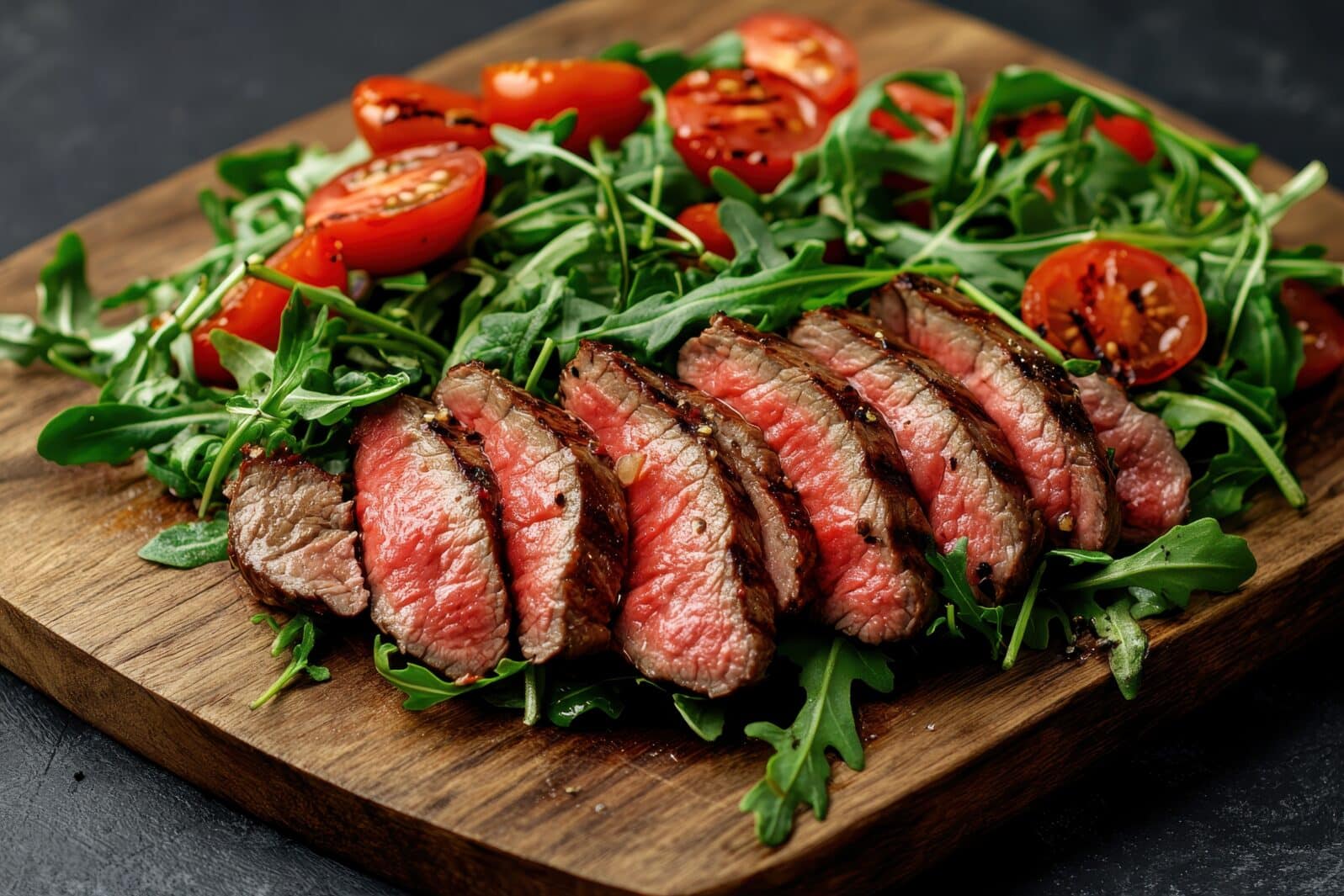
Think whole foods first — meat (he loves a good steak), cruciferous vegetables like broccoli and Brussels sprouts, and big salads for vascular support. His salads are dressed simply, not with bottled emulsions built on seed oils and sugars. He largely avoids restaurants where kitchens are too often a seed-oil oasis. He also steers clear of ultra-processed snacks, and treats dessert and bread as rare exceptions rather than staples. The aim isn’t culinary puritanism. It’s stacking the deck in favor of stable metabolism and low inflammation.
Hal Philipp looks good and claims superb health. RFK’s MAHA and recent studies back many of Philipp’s positions.
So let’s live long and prosper.
Additional Resources
- Part 1 of this conversation: The Accidental Inventor: An Interview with Hal Philipp
- Part 2 of this conversation: Defending a Patent: Lessons from Hal Philipp’s Entrepreneurial Journey
- Part 3 of this conversation: Hal Philipp on The Perils and Profits of Invention
- Watch the full interview on YouTube: Stories and Startup Tips from Hal Philipp, Inventor of the Touch Screen
- Hal Philipp’s publication with Robert J. Marks II
- H. Philipp and Robert J. Marks II “Microprocessor based light bridge sensors,” Industrial Optical Sensing, SPIE vol.961, pp.28-34, 1988 (The Society of Photo-Optical Instrumentation Engineers, Bellingham, WA)
- Robert J. Marks II at Discovery Institute
- Hal Philipp at Michigan Tech
