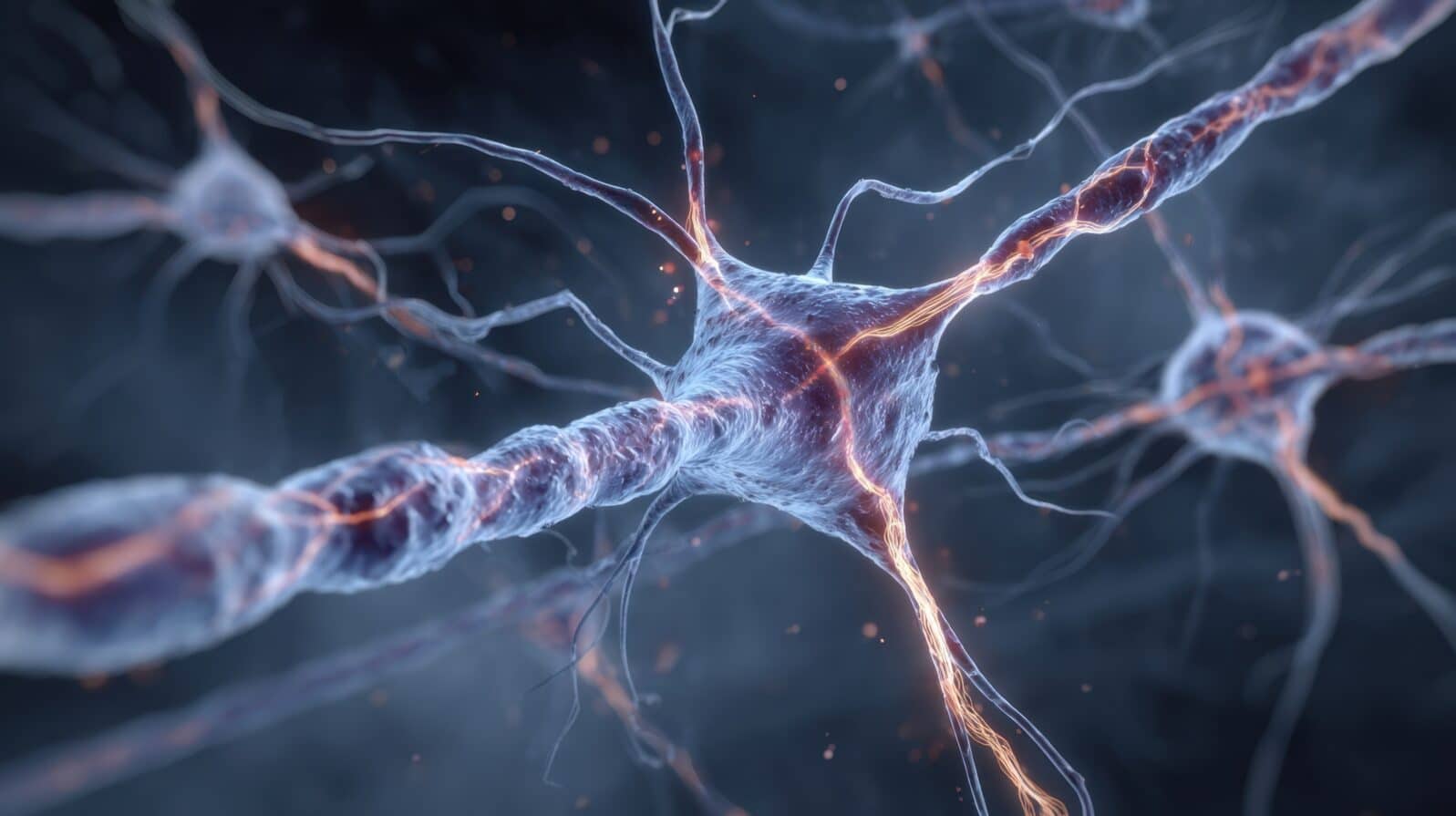
Researchers: Adult Human Brains Can Grow New Neurons
The Karolinska Institutet-based team found early-stage brain cells in older people in the hippocampus, the memory area of the brainAt ScienceDaily, the Karolinska Institute of Sweden reports,
Researchers from Sweden have discovered that the human brain continues to grow new cells in the memory region—called the hippocampus—even into old age. Using advanced tools to examine brain samples from people of all ages, the team identified the early-stage cells that eventually become neurons. These findings confirm that our brains remain more adaptable than previously believed, opening the door to potential treatments for memory loss and brain-related disorders. Karolinska Institutet.
“New research confirms that neurons form in the adult brain,” ScienceDaily, July 4, 2025.
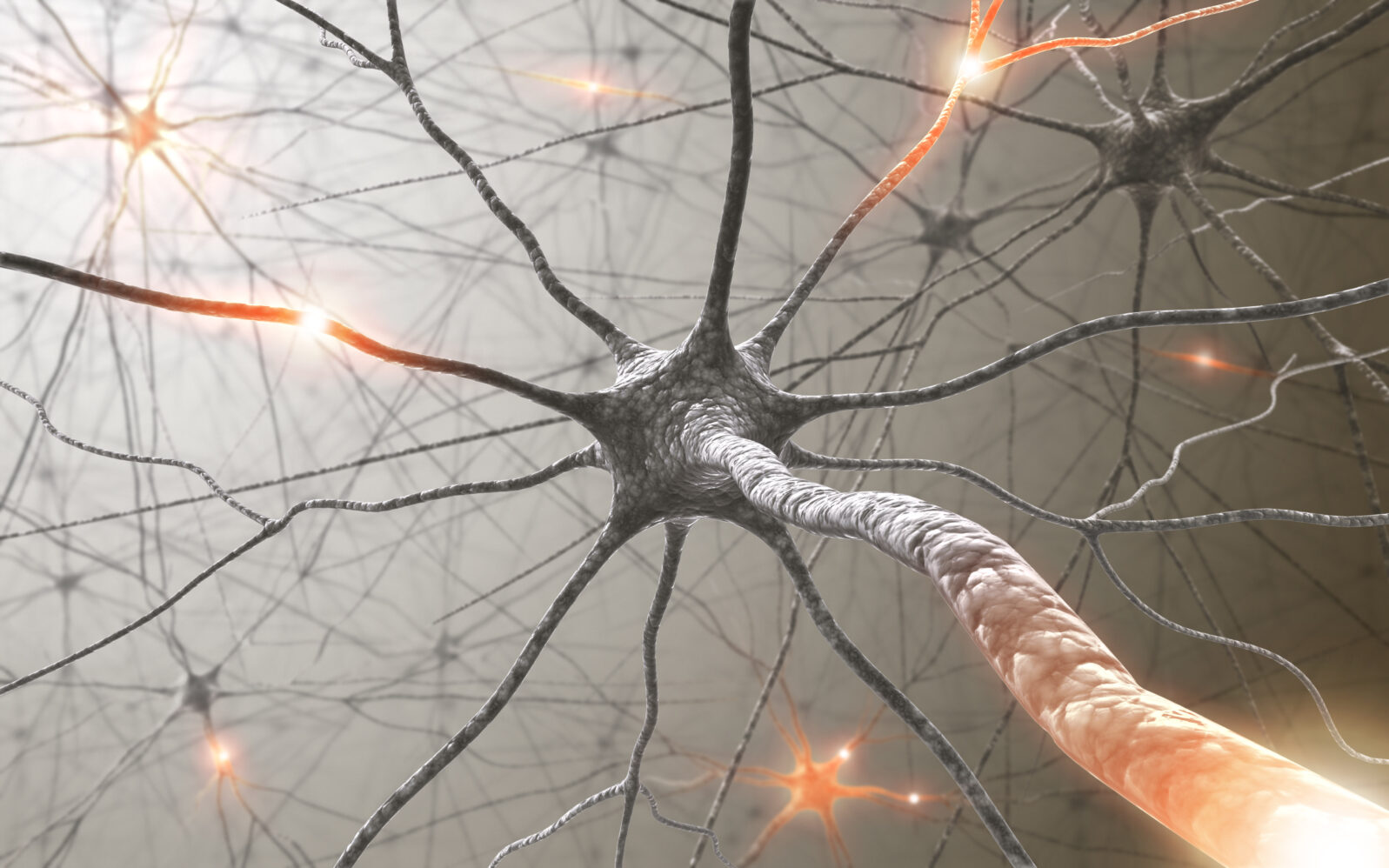 Image Credit: ktsdesign -
 A 2013 study had shown that new neurons could form in the hippocampus but the conclusion was debated. The current study of brain tissue collected from persons from 0 to 78 years of age identified different stages of neuron development — from stem cells to immature neurons. Many of the latter were in the cell division phase. But the researchers note,
There were also large variations between individuals – some adult humans had many neural progenitor cells, others hardly any at all. “Form in the adult brain”
They hope that their findings may help treat neurodegenerative and psychiatric disorders.
We asked neurosurgeon Michael Egnor what he thought of the current clinical prospects of the research and he replied,
For most of the 20th century it was conventional teaching that after middle childhood no new neurons were made in the brain. Over the last several decades there is been evidence of a small number of new neurons, which is interesting but I don’t think it’s terribly relevant clinically. It may have some longer-term implications for brain regeneration but in the short term I don’t think it will make much difference in clinical management.
Simply growing new neurons is a small part of what would be necessary to restore lost function. I think there is promise here, but not in the near future.
So yes, it’s a hopeful find. But making a difference in cases of neurodegenerative disease will be more difficult than simply growing new neurons.
From the paper:
Editor’s Summary: Whether adult neurogenesis occurs in the human hippocampus is one of the most debated issues in neuroscience. Dumitru et al. used a single-cell transcriptomic approach to address this issue in human samples of various ages from birth through adulthood (see the Perspective by Quiniou and Jessberger). Machine learning algorithms helped the authors to identify proliferating neural progenitor cells in the adolescent and adult human hippocampus that resembled progenitor cells found in mouse and pig. The results support the idea that adult neurogenesis occurs in the human hippocampus and add valuable insights of scientific and medical interest. —Mattia Maroso
Abstract: Abstract Continuous adult hippocampal neurogenesis is involved in memory formation and mood regulation but is challenging to study in humans. Difficulties finding proliferating progenitor cells called into question whether and how new neurons may be generated. We analyzed the human hippocampus from birth through adulthood by single-nucleus RNA sequencing. We identified all neural progenitor cell stages in early childhood. In adults, using antibodies against the proliferation marker Ki67 and machine learning algorithms, we found proliferating neural progenitor cells. Furthermore, transcriptomic data showed that neural progenitors were localized within the dentate gyrus. The results contribute to understanding neurogenesis in adult humans.
