How Humility and Curiosity Can Help Neuroscience Mature
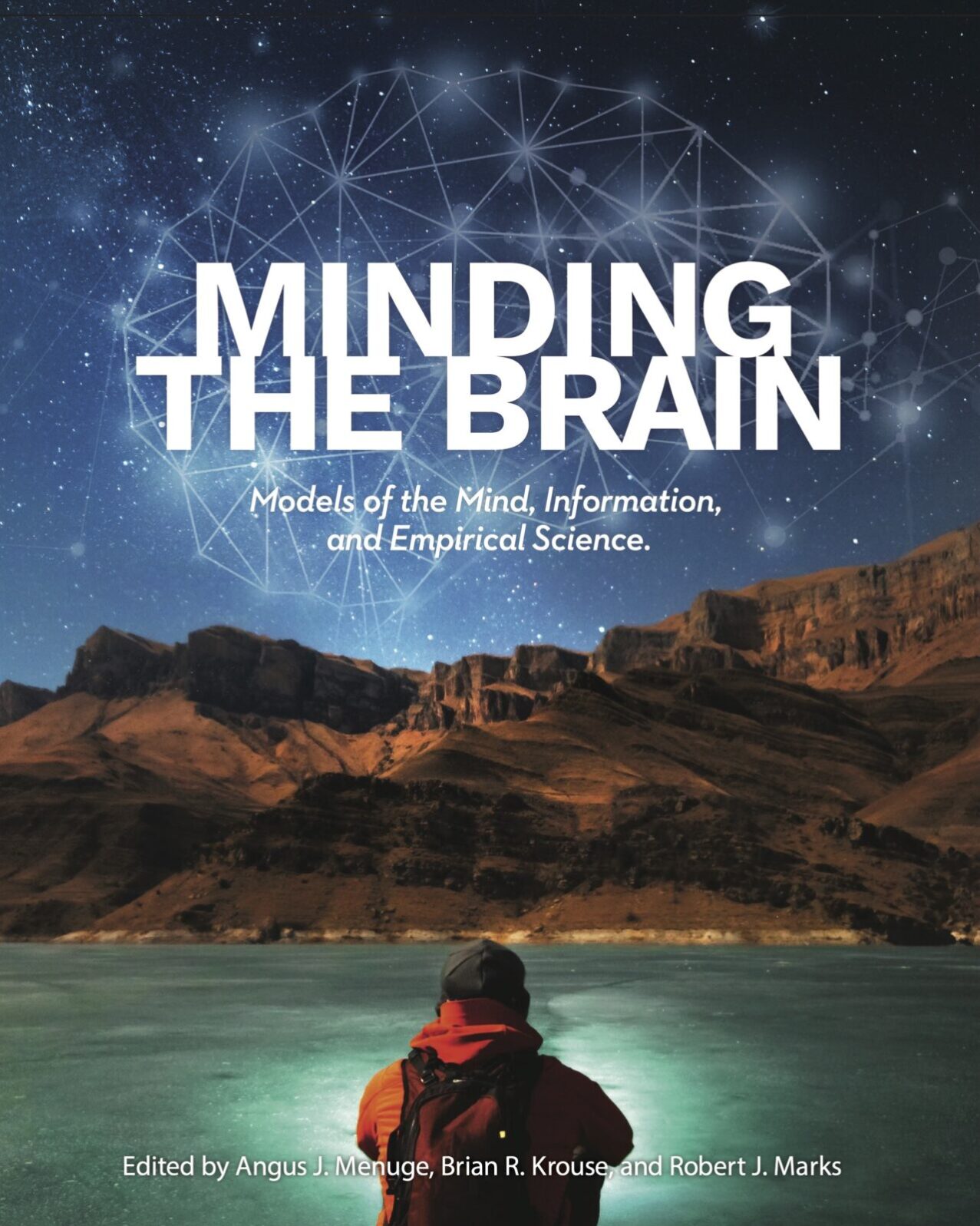
Modern neuroscience has made some truly amazing advances in recent decades. But even though we can record, map, and even manipulate brain activity in ways that once seemed impossible, we still don’t really understand how the brain actually works. This gap in understanding has led to a kind of overconfidence, and sometimes even over-claiming by scientists. So how do we pursue a path of honesty in neuroscience? On today’s episode, hosts Robert J. Marks and Brian Krouse welcome Dr. Joseph Green to the show to make the case that neuroscience is still a young science compared to fields like physics and chemistry, because it lacks the strong theories that can predict and explain what’s going on. The wisest path, argues Green, is for neuroscience to stay humble, honest, and curious and keep building bridges between science, philosophy, and the things we observe.
