Exploring the Immaterial Aspects of Thought and Understanding
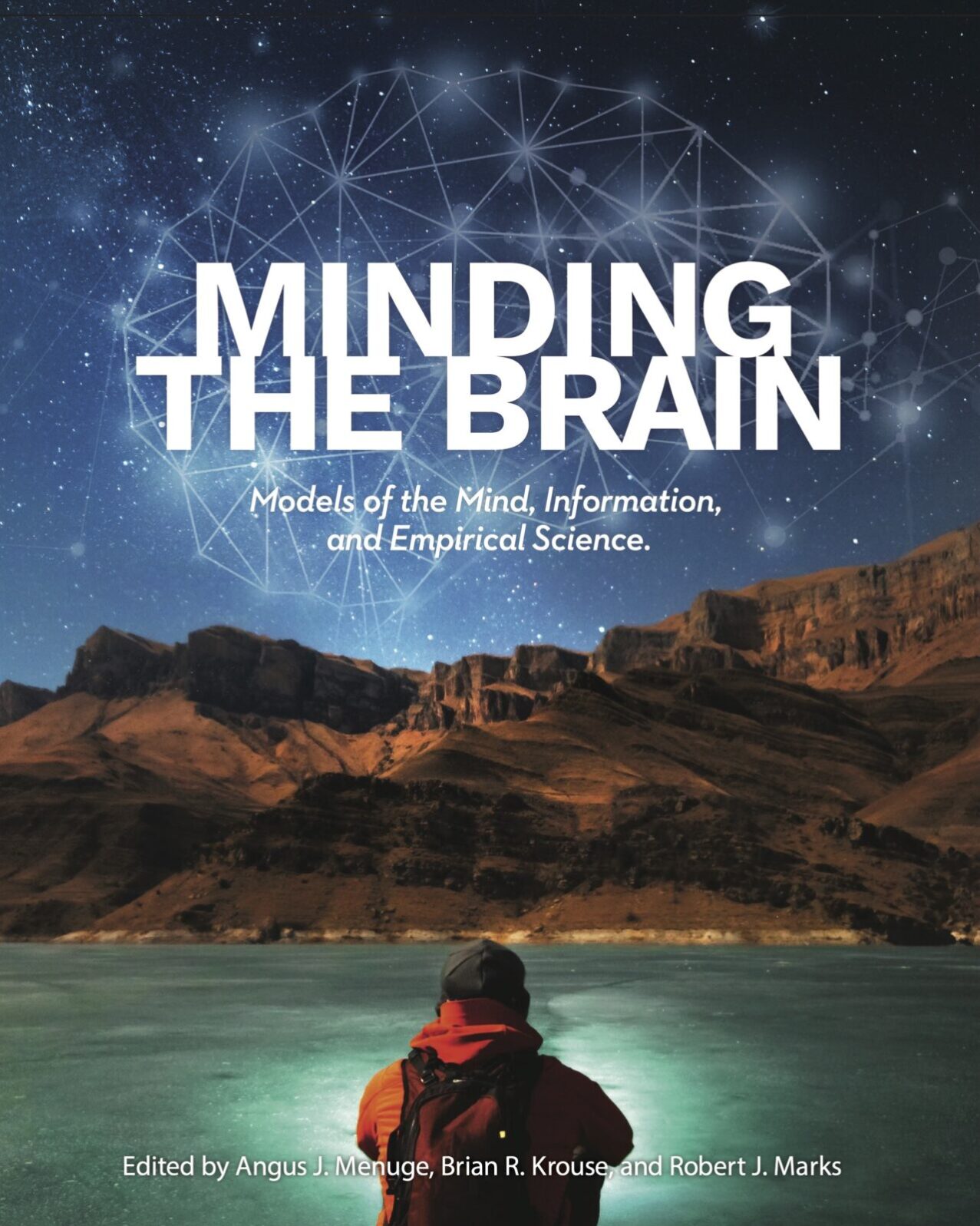
Today, Dr. Selmer Bringsjord joins guest host Pat Flynn to discuss a compelling argument for the immateriality of mathematical objects and the human person. It’s an argument Bringsjord develops in his chapter “Mathematical Objects Are Non-Physical, So We Are Too” in the book Minding the Brain. Building on the work of philosophers like James Ross and John Searle, the argument suggests that if formal thoughts and mathematical objects are non-physical, then the human person who can understand these things must also have an immaterial aspect. Dr. Bringsjord unpacks a unique perspective on the immateriality of the human person, focusing on our capacity for formal reasoning rather than consciousness or qualia. It’s all part of a fascinating philosophical case for the non-physicality of mathematical objects and the human mind.
