Earlier this week, we looked at theoretical physicist Carlo Rovelli’s screed against the existence of the mind: “The mind is the behavior of the brain, properly described in a high-level language.”
This seems like an odd position for a theoretical physicist to defend. But the idea that the mind doesn’t really exist (eliminative materialism) has been oh-so-Cool among philosophers of mind for so long that its mind-numbing effects go largely unchallenged.
For many years, the mind — the one thing that truly separates us from shrimp and thus enables pursuits like theoretical physics and philosophy of mind — has been denigrated as “folk psychology” and “a false and misleading account of the causes of human behavior” for some time. Rovelli caught the vibe.
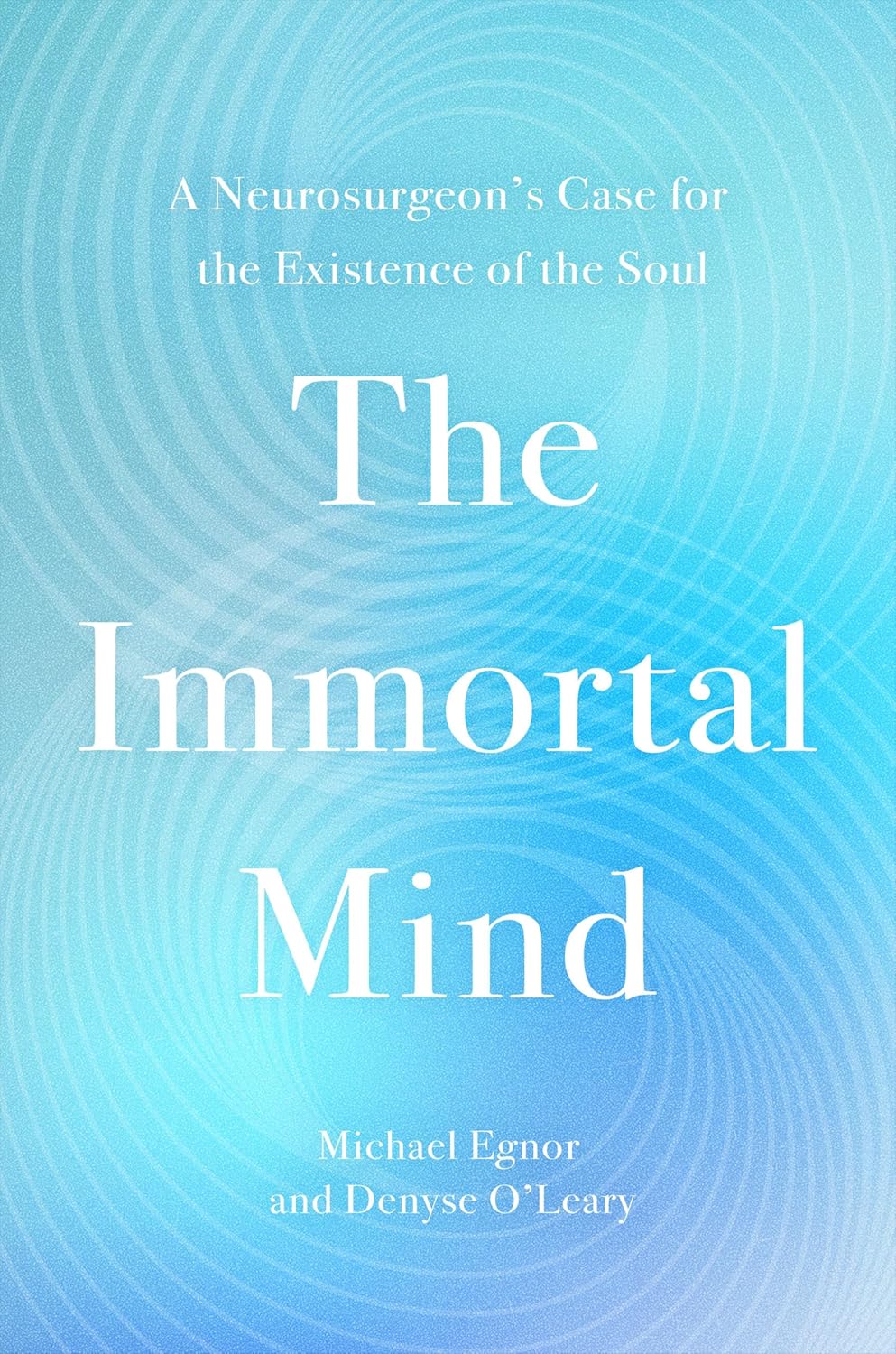
In The Immortal Mind: (2025), neurosurgeon Michael Egnor and I offered a roundup of recent philosophical efforts to pretend that the mind does not exist. For example,
● University of Mainz philosopher Thomas Metzinger offers, “The first-person pronoun ‘I’ doesn’t refer to an object like a football or a bicycle, it just points to the speaker of the current sentence. There is nothing in the brain or outside in the world, which is us. We are processes.” (2017)
● Duke University philosopher Alex Rosenberg insists that naturalism in the sciences means giving up on human consciousness as a distinctive thing: It “forces us to say no in response to many questions to which most everyone hopes the answer is yes. These are the questions about purpose in nature, the meaning of life, the grounds of morality, the significance of consciousness, the character of thought, the freedom of the will, the limits of human self-understanding, and the trajectory of human history.” (2020).
Published by Worthy Books
● Prominent philosopher of neuroscience Patricia Churchlandtells us that our value systems are likely due to the activities of hormones like oxytocin and vasopressin. (2020)
● “The terms ‘mind’ and ‘mental’ are messy, harmful and distracting. We should get rid of them,” says philosopher Joe Gough. (2021)
● Neuropsychologist Peter L. Halligan and psychologist David A. Oakley say it is time to give up on the concept of consciousness: “Our proposal feels personally and emotionally unsatisfying, but we believe it provides a future framework for the investigation of the human mind— one that looks at the brain’s physical machinery rather than the ghost that we’ve traditionally called consciousness.” (2021). Note: This list is adapted from p. 162 of The Immortal Mind.
Apparently, these philosophers of mind have dedicated their careers to explaining away their own topic.
Is there any harm in believing that our minds are an illusion?
Philosophers of mind using their minds to prove that there is no mind do not help the credibility of their discipline. If they can believe something so obviously contradictory, we can only wonder what else they can believe.
John Tenniel, Public domain, via Wikimedia CommonsAlice’s Cheshire cat by John Tenniel
When I asked Egnor about this, he pointed out that the logic collapses quickly:
The capacity to have an illusion presupposes a mind. And if the mind is an illusion, then it’s an illusion that has an illusion. And if that’s an illusion, then it’s also not an illusion. But if it’s not an illusion, then it is an illusion. So the whole thing just becomes an Alice in Wonderland kind of thing.”
I hear that the Cheshire Cat went mad over the whole business.
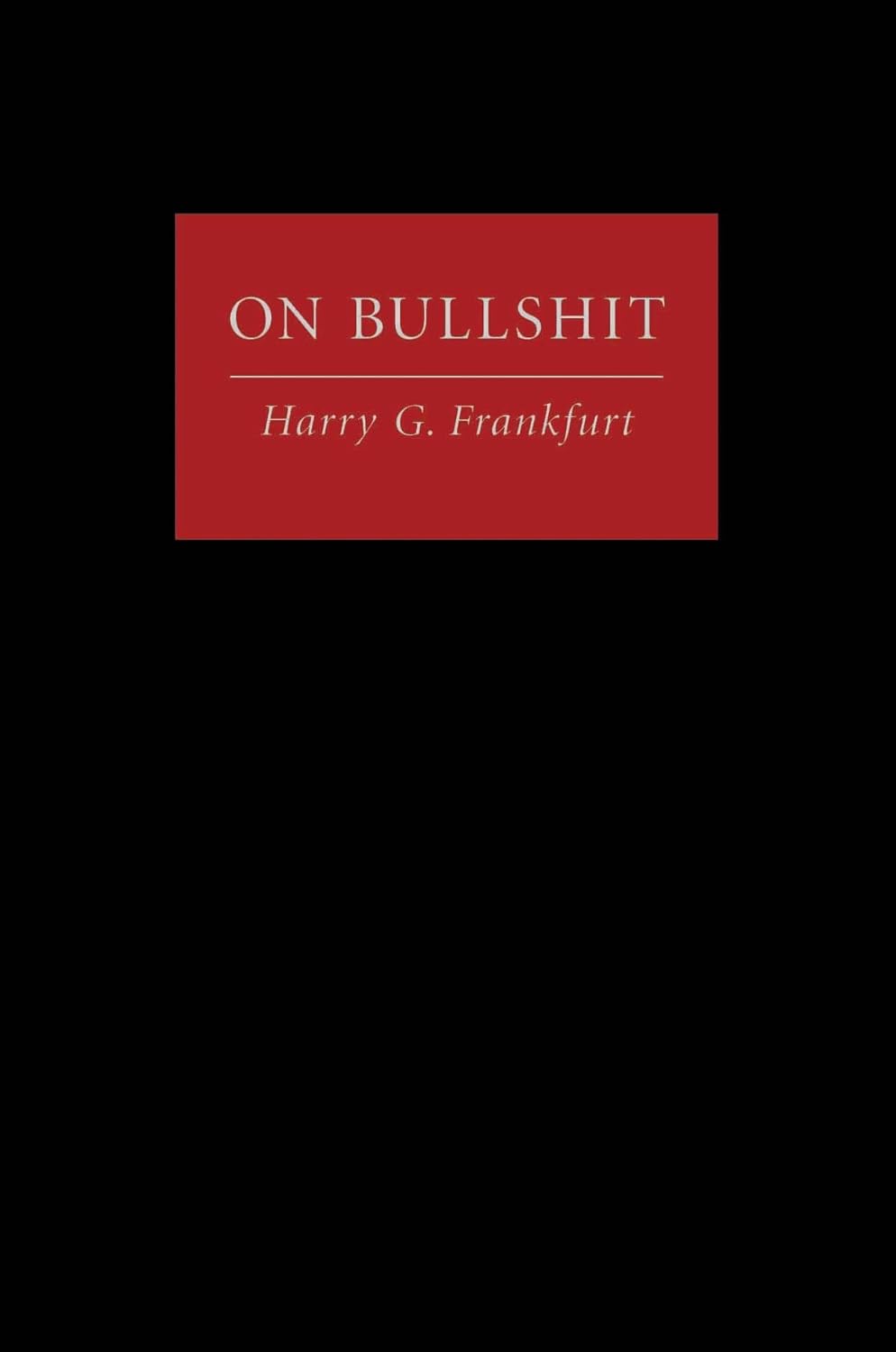
His basic argument is that there are three things we can do. We can tell the truth, we can lie, and we can bullshit. And these are three rather different things.
Telling the truth is obviously telling the way things are as best we can ascertain. Telling a lie is to know how things are and to misrepresent them. Bullshit is to say the way things are, without any regard whatsoever for truth or a lie but simply to serve an ideological end.
Let’s say that you’re trying to seem like you’re smart. If somebody asks you a question, and you answer the question in a way that makes you seem smart. And you don’t give a rat’s nightdress whether what you’re saying is true or false. You have no idea, and you don’t care. Or maybe you do care, but your answer has nothing to do with truth or falsehood.
Frankfurt said that bullshit is the most toxic kind of idea because at least a liar cares about truth. I mean, he actually has some respect for truth, in a sense that he tries to avoid it.
A person who bullshits doesn’t care about truth at all. He simply cares about what his statement makes him look like. A lot of the popular materialist ideology, like “The mind is an illusion” is certainly not the truth. It’s not even a lie. It’s just bullshit.
And what it really is, is fashionable. If you’re a materialist ideologue, you can get a lot more clicks on YouTube if you say it’s really an illusion. It makes you seem Cool.
So it’s it’s neither true nor false that the mind is an illusion. It’s the kind of a statement that doesn’t even make any sense.
But then as Orwell said, about a similarly preposterous belief, “One has to belong to the intelligentsia to believe things like that: no ordinary man could be such a fool.”
And yet, the rest of us are expected to listen meekly. For how long, I wonder?
Note: Frankfurt also wrote an open-access essay titled “On bullshit” (1988).
Why Do Smart People Think Their Minds Are an Illusion?

 Published by Worthy Books