
Unscientific ‘Nature Rights’ Mysticism Pushed at Harvard
Harvard Kennedy School hosted a symposium on “nature rights” undergirded by “indigenous knowledge” as part of the 2025 Harvard Climate Action WeekThis article is reprinted from National Review with the permission of the author.
The “nature rights” movement is pushing environmentalism into the unscientific realm. Specifically, the movement promotes a neo-pagan mysticism — such as invoking Pachamama the Incan earth goddess — as a major basis for its advocacy.
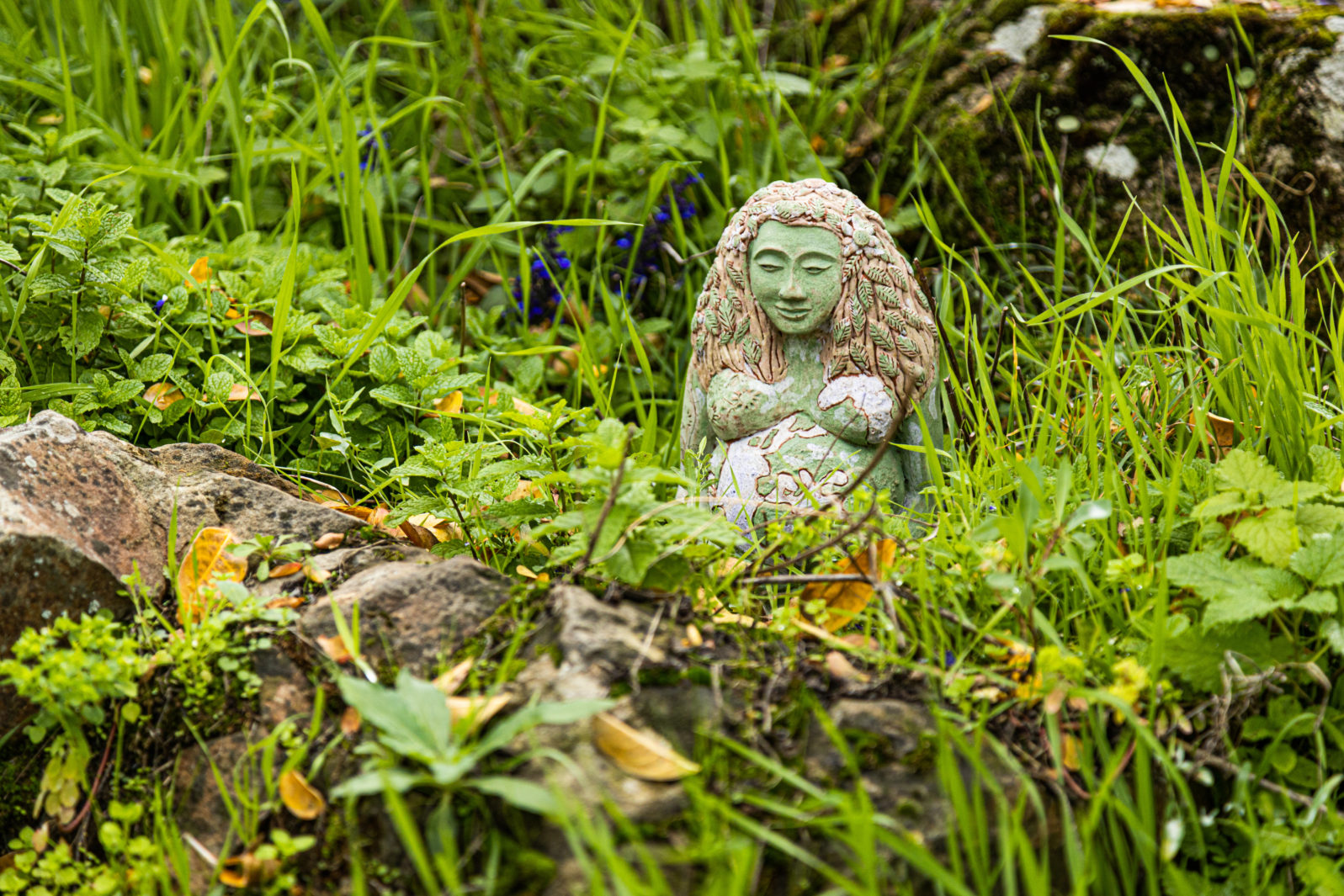 Image Credit: David Fuentes -
 Such unscientific approaches have reached the highest levels of the ivory tower and have been invoked in medical and science journals. Most recently, the Harvard Kennedy School hosted a symposium on “nature rights” undergirded by “indigenous knowledge” as part of the 2025 Harvard Climate Action Week. From “Indigenous Leadership on Protecting Water as a Fundamental Right:”
Throughout the event, a recurring theme was the need to reframe the human relationship with water—not as a resource for human consumption but as a living relative with which humans share reciprocal duties. From BainBridge’s Great Lakes fisheries to Ropati’s relocated Alaskan village, to Leonard’s global movement for the rights of nature, each story underscored that Indigenous leadership offers not only strategies for survival but also pathways toward justice, dignity, and regeneration.
As Risse observed at the outset, human rights depend upon a stable climate and healthy environment. But as the panelists made clear, securing water as a fundamental right requires more than technical fixes or legal declarations. It requires a transformation in how we see ourselves: not apart from the waters, but as part of them.
What “reciprocal duties” do waterways have toward us? The whole notion is ridiculous on its face. And I’m sorry. Rivers are not alive. Waters are not our “living relatives.” They are geological features.
To treat them otherwise would be to engage in unscientific neo-pagan mysticism, perfectly proper among indigenous cultures, but no basis for environmental public policies capable of furthering modernity.
Yes, environmental stewardship is an important human duty. And yes, we need to continue to improve our husbandry of the environment. But if rivers have rights — such as the “right to flow” —– the human harm would be incalculable. We would not be able to build dams, engage in flood control, and generate electricity because those activities impede the natural flowing of rivers.
I get that the intelligentsia is enamored of all things indigenous. I too like many of these cultures. (My great grandmother was Cherokee.) But they were pre-industrial societies. It’s a simple fact that indigenous practices toward nature are inadequate in an industrial world.
