
Pew: Rate of Decline in Christian Belief in U.S. Is Slowing
The decline may be in the process of reversing itself. News items tell the storyIn the 2023–24 Religious Landscape Study, Gregory A. Smith et al. found
After many years of steady decline, the share of Americans who identify as Christians shows signs of leveling off – at least temporarily – at slightly above six-in-ten, according to a massive new Pew Research Center survey of 36,908 U.S. adults.
“Decline of Christianity in the U.S. Has Slowed, May Have Leveled Off,” February 26, 2025
This is the third such RLS study — the largest survey research study Pew conducts. The holding pattern it demonstrates appears to have surprised the researchers. Some highlights:
 Image Credit: Artur -
 ● In 2007, 78% of U.S. adults identified as Christians. That number declined steadily in smaller surveys and was pegged at 71% in the second RLS in 2014. In 2023–24, only 62% of U.S. adults said they were Christians. “That is a decline of 9 percentage points since 2014 and a 16-point drop since 2007.” But…
But for the last five years, between 2019 and 2024, the Christian share of the adult population has been relatively stable, hovering between 60% and 64%. The 62% figure in the new Religious Landscape Study is smack in the middle of that recent range. “May Have Leveled Off”
Thus, Christian belief is no longer in steady decline. The decline may in fact be in the process of reversing itself. Time will tell.
● In the United States, despite increased diversity, only 7% of adults identify with a religion other than Christianity. So the big story is about the growth or otherwise of the Religious Nones, as they are called by survey takers: “The size of the religiously unaffiliated population, which we sometimes call religious “nones,” has plateaued in recent years after a long period of sustained growth.”
Emerging picture of stability?
● The big story — apparent stabilization — appears to be holding true for Christian religious practices as well:
Other standard survey measures contribute to this emerging picture of stability:
● Though down significantly since 2007, the share of Americans who say they pray daily has consistently held between 44% and 46% since 2021. In the new RLS, 44% say they pray at least once a day.
● Similarly, since 2020, the percentage of U.S. adults who say they attend religious services monthly has hovered in the low 30s. In the new RLS, 33% say they go to religious services at least once a month. “May Have Leveled Off”
Perhaps most significantly, materialist atheism has not been a big winner in this overall trend:
● 86% believe people have a soul or spirit in addition to their physical body.
● 83% believe in God or a universal spirit.
● 79% believe there is something spiritual beyond the natural world, even if we can’t see it.
● 70% believe in an afterlife (heaven, hell or both). “May Have Leveled Off”
The executive summary is here.
What to make of the trend lines?
At Christian Post, Asbury University president Kevin Brown asks, “Is Gen Z truly experiencing a religious revival?”
In the last few years, we have seen:
A greater likelihood of church attendance among Gen Z compared to the Boomer generation throughout pockets of Europe, and in the United Kingdom, Gen Z teens who are now the least likely generation to call themselves atheist.
Unplanned, over 50,000 college students sing Agnus Dei acapella at the 2024 Passion Gathering.
A host of revival movements among young adults in 2024, including campuses “pregnant for revival.”
“Rumblings of Revival” among youth.
Campus ministries experiencing a spike in spiritual interest.
Encouraging data of Gen Z teens navigating “Digital Babylon” as well as younger generations showing renewed interest in Jesus. (March 17, 2025)
Student baptisms — led by students.
An international focus on Gen Z and their promise for future ministry.
He sees the change as “the ‘loosened chains’ of a younger generation unevenly burdened by the pathologies of modern life (isolationism, digitization, social discord, mental health challenges, and waning institutions).”
Indeed? It would be beyond hilarious if an age drowning in seas of instant chatbot BS should see a revival of the demand for deeper meaning in life.
A number of questions remain
Obviously, the big question is whether the trend will continue or go the way of Google Glass. Here are some other questions whose answers may help us predict that:
● Are there similar trends in other countries? In other religions? What’s the same, what’s different?
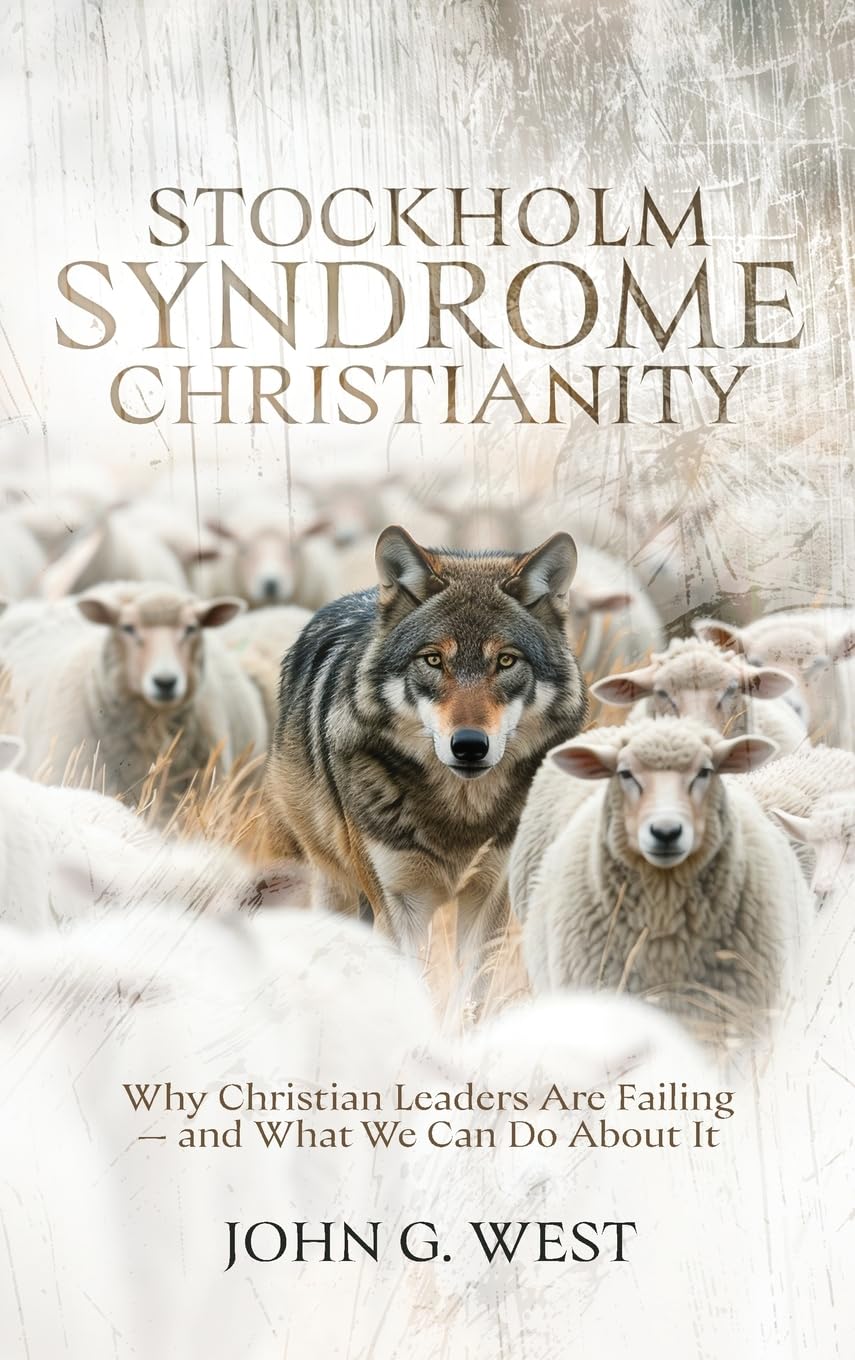
● John West’s new book, Stockholm Syndrome Christianity talks about the decline of serious Christianity among the American evangelical elite. But, like all elites, it consists predominantly of older middle-aged people. Where young people are leading the trend to stabilize or reverse the decline, it’s not likely to even be noticed right away in the C-suite.
● Are trends in the larger culture driving this one? Materialists have not shown, after all these years, that the mind is merely the brain or that life got started by accident — to name a couple of areas of long-standing frustration for them. Perhaps many people no longer see their triumph as inevitable — or even possible.
Now that will be a real game-changer and we’ll try to keep up.
