Michael Shermer Disagrees With Me on the Ethics of IVF
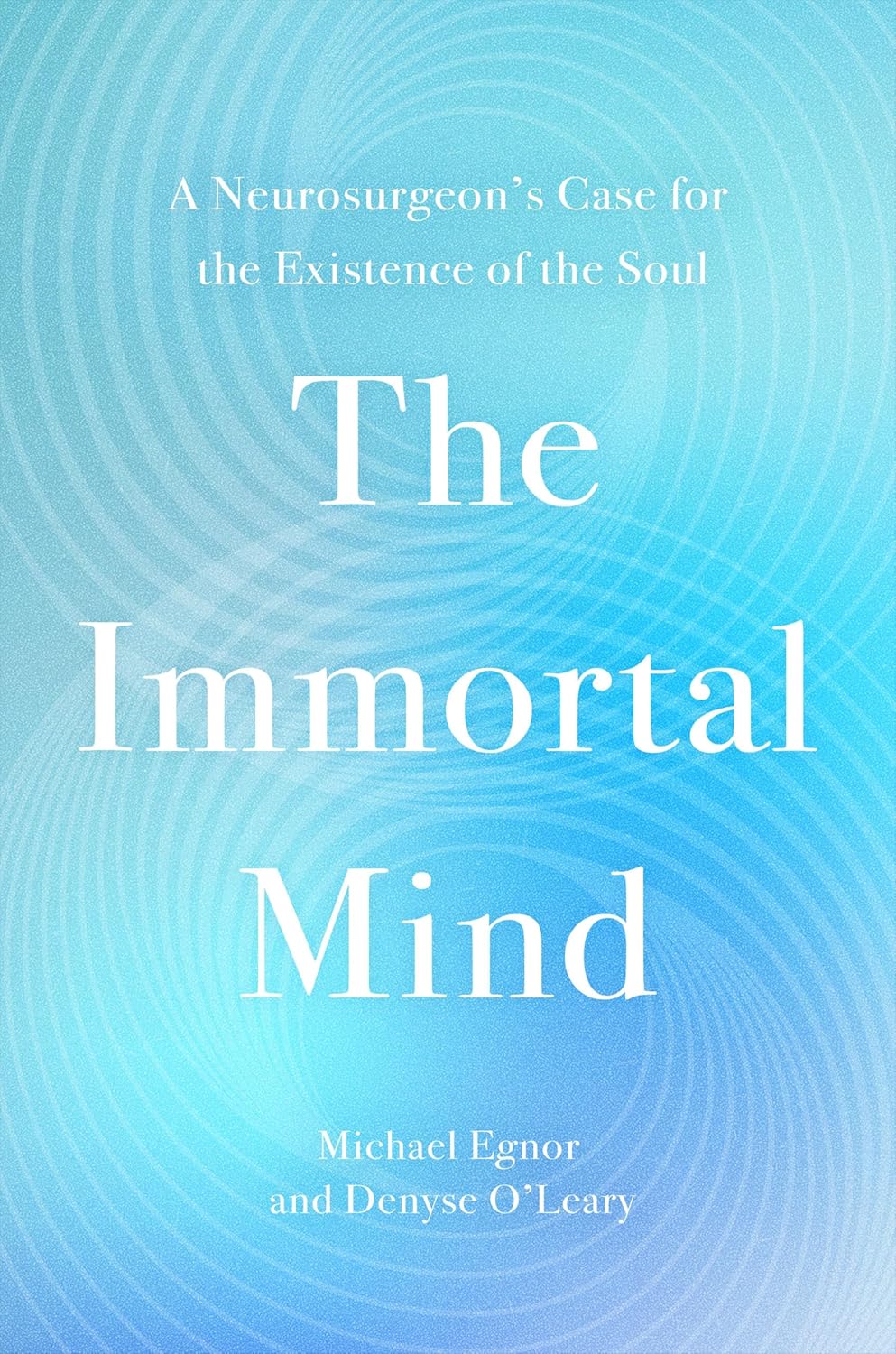
He sees a contradiction between my respect for and embrace of children conceived via IVF and my ethical qualms about the process of IVF: “Another example of how religion clouds rationality”I recently had the privilege to appear on Michael Shermer’s show Skeptic with neuroscientist Christof Koch. We were discussing the new book The Immortal Mind: A Neurosurgeon’s Case for the Existence of the Soul, which I co-authored with Denyse O’Leary. I also discussed near death experiences with Michael on Piers Morgan’s show.
Michael is an excellent host, and we have had great discussions. He recently raised an interesting and important point on X:
Michael is referring to my essay, “In Vitro Fertilization (IVF) and the Human Industrial Revolution,” recently published in the Catholic bioethics journal Ethics and Medics and at Mind Matters News.
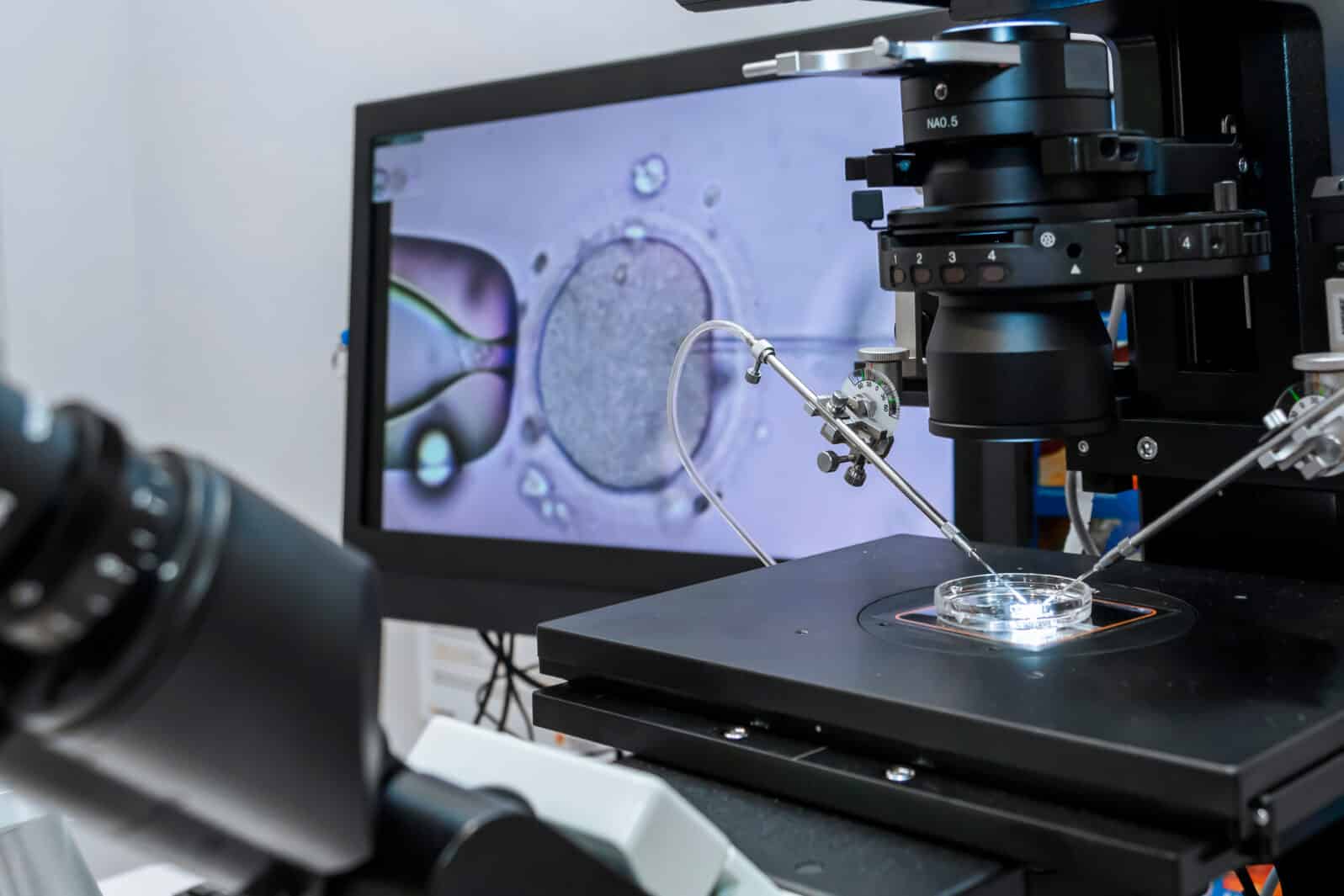
In the essay, I explored some of the ethical issues with IVF of human beings. I pointed out that the debate about human embryos fertilized using IVF is a debate about real, not “potential” human beings. Human life begins at fertilization, and each IVF embryo is a human being with the same essential nature as we adults have.
Of course, embryos are at a very early stage of their lives and have different and very limited abilities compared to adults. But they are no less human than we are.
I pointed out that the real question in the ethics of IVF is whether embryos are persons. A person is a human being who has rights and dignity, and the indispensable right of persons is the right to life. A person who has no right to life has no right at all. For example, if a person has the right to vote, but can legally be killed if he votes, then he really doesn’t have the right to vote. The right to life is the fundamental right on which all other rights depend.
 Image Credit: motorolka -
 This of course raises profound ethical issues regarding the destruction of IVF embryos, abortion and a host of medical acts. I closed the essay with thoughts on the industrial nature of IVF and what it means for humanity to produce human beings on an assembly line:
The manufacture of human persons by IVF is a 21st century industrial revolution — a human industrial revolution. With the manufacture of artificial wombs, of even more precise genetic testing, of genetic manipulation and potentially human cloning, IVF presents humanity with dangers on an industrial scale. The human industrial revolution will be used someday to produce children selected for purposes — for aggressiveness (military), for obedience (chattel slavery), for physical attractiveness (sexual slavery), and for histocompatibility (organ transplantation).
In a world beset by war, enslavement, sex trafficking, and a growing chasm between the strong and the weak, IVF offers technology to manufacture men and women on scale and on special order. To stand against IVF is not easy, because it provides infertile couples the blessed opportunity to conceive children. But IVF is the gateway to the human industrial revolution, and it is the door into new and hellish bioethics. “In vitro fertilization”, June 15, 2025
Michael suggested that there is a contradiction between my respect for and embrace of children conceived via IVF and my ethical qualms about the process of IVF. But I believe there is no contradiction between the blessedness of the conception of every child and the ethical conundrums associated with the artificial industrial methods used to conceive them. In the same way, there is no contradiction between the blessedness of a baby conceived out of wedlock or as a product of rape and the ethical issues raised by the circumstances of the conception.
The loving embrace of the child and thoughtful skepticism about the artificial industrial means used to bring about the conception is not “clouded religious rationality.” It is an example of the acuity and depth of Christian bioethics. We recognize the immeasurable worth and dignity of each child, and the obvious ethical problems raised by the use of artificial industrial means used to bring about the child’s conception.
An early stage
IVF is an early stage in the wholesale manufacture of human beings for purposes. There are good purposes such as the blessing of an infertile couple with a baby and there are bad purposes, such as the — likely inevitable — use of IVF to manufacture specific kinds of people, such as soldiers, chattel slaves, sexual slaves, and organ donors.
 Published by Worthy Books
It is quite possible to seek good ends (children) by bad means (their industrial manufacture). These are very real concerns and are striking evidence for the importance of the Christian ethics for the understanding and protection of innocent human beings.
You may also wish to read:
Piers Morgan show: Michael Egnor and Michael Shermer debate! Near-death experiences headlined the discussion. But Dr. Egnor made clear that there is much other evidence for the reality of the human mind. One thing that stood out was the commenters’ appreciation of a cordial discussion of often-controversial topics.
and
Michael Shermer’s show: Neurosurgeon Michael Egnor vs. neuroscientist Christof Koch. Released yesterday evening, the debate, hosted by science writer and broadcaster Michael Shermer, was cordial, and quite relatable. At one point, the discussion turned on the case of a girl who had her sense of guilt removed surgically. What does that prove about the mind and the brain?
